
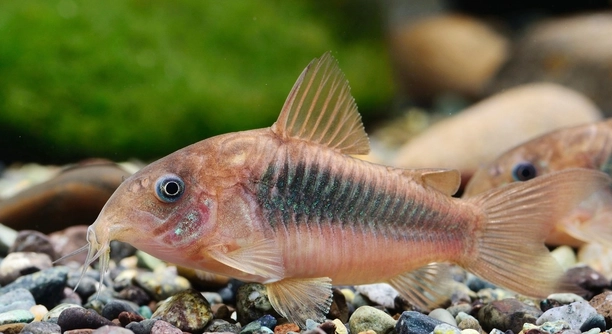
Corydoras catfish are popular for their peaceful nature and unique appearance. However, they can be prone to certain diseases that affect their health and well-being. Knowing how to prevent these issues is key to their longevity.
To prevent diseases in Corydoras catfish, maintaining clean water, ensuring proper tank conditions, feeding a balanced diet, and managing stress are essential steps. Regular tank maintenance and monitoring for signs of illness can also help in preventing health issues.
Healthy Corydoras catfish thrive in a clean and stable environment. By following some simple preventive measures, you can keep your fish happy and disease-free. Keep reading to learn how to better care for your fish.
Clean and Stable Water Conditions
Maintaining clean water is the foundation of a healthy tank for your Corydoras catfish. Regular water changes should be a part of your routine, removing any built-up waste and debris. Ammonia, nitrite, and nitrate levels should always be monitored, as high levels of these can lead to stress or illness. To maintain water quality, use an efficient filtration system. Always ensure the water temperature is suitable for Corydoras, ideally between 72°F and 78°F (22°C to 26°C). The pH should also be stable, ranging from 6.0 to 8.0, as drastic changes can harm the fish.
A stable and clean tank environment will help your Corydoras catfish thrive. Frequent water checks and proper filtration make all the difference in preventing common diseases.
If you haven’t already, consider investing in a water testing kit to regularly monitor your tank’s parameters. By sticking to a schedule for water changes and keeping an eye on your filtration system, you’ll minimize the risk of bacterial infections, parasites, and stress-related illnesses that could affect your Corydoras.
Proper Tank Setup
Your Corydoras catfish need a tank that mimics their natural habitat. Soft, smooth substrates like sand are preferred, as rough surfaces can harm their sensitive barbels. Avoid sharp decorations and make sure there are plenty of hiding spots like caves or plants. A well-planted tank can also provide additional security and a natural environment.
Adding plants to the tank helps keep the water oxygenated, which is essential for Corydoras health. Additionally, a gentle filtration system will help avoid strong currents that stress out the fish. Corydoras catfish prefer calm water, so take care to adjust any strong filters or air pumps that create turbulence.
Regular maintenance of the tank setup is crucial. Over time, plants and decorations may become dislodged or clogged, affecting water quality and the comfort of your fish. Ensure the filter and aeration system are clean and functioning properly. Adjusting the tank setup periodically based on your fish’s behavior can help maintain their well-being.
Balanced Diet
A proper diet is key to preventing diseases in Corydoras catfish. A mix of high-quality sinking pellets, frozen or live foods like bloodworms, and occasional vegetable matter like blanched spinach can ensure they get all the nutrients they need. Overfeeding, however, can lead to excess waste, harming water quality.
Offering a variety of foods helps maintain a healthy balance of vitamins and minerals in their diet. Corydoras can also benefit from occasional treats like daphnia or brine shrimp, which mimic their natural feeding habits. Be sure to feed only what they can consume in a few minutes to avoid uneaten food decaying and polluting the water.
Keeping track of their feeding schedule and food portions ensures your Corydoras get the best nutrition without causing harm to the tank’s ecosystem. Avoid sudden changes in their diet, as this can cause stress or digestive problems.
Minimize Stress
Stress can weaken your Corydoras catfish’s immune system, making them more susceptible to disease. Ensure they have plenty of hiding spots and peaceful tank mates to reduce stress. Avoid sudden changes in the tank environment, as this can cause unnecessary strain on your fish.
Monitor the behavior of your Corydoras regularly. If they are constantly hiding or seem lethargic, it could indicate that they are stressed. Address any sources of stress, such as aggressive tank mates or fluctuating water conditions. Keeping your fish calm will allow them to thrive and better fight off potential diseases.
Regular Monitoring
Keep a close eye on your Corydoras catfish for any signs of illness. Symptoms like faded colors, loss of appetite, or abnormal swimming patterns could indicate a problem. Regularly check for parasites, lesions, or any other unusual changes in behavior. Early detection is key to preventing more serious issues.
Observing your fish daily gives you the opportunity to spot problems early. Look out for any signs of distress or abnormalities. Monitoring your tank setup and water quality will also help prevent diseases from developing in the first place. Keeping track of your fish’s health ensures a longer, happier life.
FAQ
What are the most common diseases in Corydoras catfish?
Corydoras catfish are susceptible to several common diseases, including ich, fin rot, and velvet disease. Ich presents as white spots on the body and fins, while fin rot causes fraying or discoloration of the fins. Velvet disease appears as a gold or brown film on the fish’s body. These illnesses can often be prevented with good tank maintenance, stable water parameters, and avoiding overcrowding.
How can I tell if my Corydoras is stressed?
Stressed Corydoras catfish may exhibit behaviors like hiding, swimming erratically, or rubbing against objects. They might also lose their appetite or display faded coloration. Stress can be caused by poor water quality, aggressive tank mates, or sudden changes in their environment. Monitoring their behavior and environment regularly can help you spot stress early and take corrective action.
Is it safe to keep Corydoras catfish with other fish?
Yes, Corydoras are generally peaceful and can live with a variety of tank mates, such as other peaceful fish, snails, and shrimp. However, avoid aggressive species or fish that may nip at their fins. Always ensure the tank environment is suitable for all fish species, including water temperature, pH, and tank size.
How often should I change the water in my Corydoras tank?
It’s essential to perform partial water changes regularly. For a healthy tank, change about 20-30% of the water every one to two weeks. If your tank is overstocked or water quality is poor, more frequent changes may be needed. Always treat tap water with a water conditioner to remove harmful chemicals like chlorine.
What should I feed my Corydoras catfish?
A balanced diet is crucial for Corydoras catfish. They are omnivores and thrive on sinking pellets, live foods like bloodworms, or frozen foods. Occasionally, you can offer them vegetables like blanched spinach or zucchini. Make sure they have access to food that sinks to the bottom, as Corydoras are bottom feeders.
How can I prevent parasites in my Corydoras catfish?
To prevent parasites, maintain a clean tank with stable water conditions. Quarantine new fish before introducing them to the main tank to avoid introducing diseases. Avoid overfeeding, as leftover food can contribute to poor water quality, which can attract parasites. Additionally, ensure your tank is well-filtered to keep the water clean and free of harmful bacteria.
Can Corydoras catfish live in cold water?
Corydoras catfish prefer warmer water, typically between 72°F and 78°F (22°C to 26°C). While they can tolerate slightly cooler temperatures, prolonged exposure to cold water can stress them and weaken their immune system, making them more vulnerable to diseases. It’s best to maintain a stable, warm environment for their health.
How can I treat fin rot in Corydoras?
Fin rot can be treated by improving water quality, ensuring the tank is clean, and maintaining stable water parameters. If the infection persists, consider using an antibacterial medication that targets fin rot. Remove any stressed or injured fish from the tank to prevent the spread of the infection. Always follow the medication’s instructions carefully.
What is the best substrate for Corydoras catfish?
Corydoras catfish have sensitive barbels, so it’s important to choose a substrate that is soft and smooth, such as sand. Gravel with sharp edges can damage their barbels, causing irritation or infection. Sand is the ideal substrate as it allows the fish to dig and sift through it naturally, promoting their well-being.
Why is my Corydoras catfish not eating?
There are several reasons why your Corydoras may not be eating. Stress from poor water conditions, a sudden change in their environment, or incompatible tank mates can cause loss of appetite. Additionally, they may not be eating if the food is not sinking or is not the type they prefer. Check their environment and food offerings to identify the cause.
Can Corydoras catfish survive without a filter?
While Corydoras catfish can survive in a tank without a filter for short periods, a filter is essential for maintaining water quality over the long term. Without filtration, harmful toxins like ammonia and nitrites can build up, leading to stress and illness. If you choose not to use a filter, you must perform more frequent water changes to keep the water clean.
How do I spot an illness in Corydoras catfish early?
Look for signs of illness such as changes in behavior (like lethargy or erratic swimming), physical symptoms (like lesions, swelling, or discoloration), or loss of appetite. Early detection is crucial for preventing the spread of diseases and allowing for timely treatment. Regular observation of your Corydoras can help spot issues before they become serious.
Are Corydoras catfish easy to care for?
Yes, Corydoras catfish are generally easy to care for, especially if you maintain stable water conditions and provide a suitable tank environment. They are hardy fish that adapt well to various water conditions, but they still require proper care, including regular water changes, appropriate tank mates, and a balanced diet.
Do Corydoras catfish need a heater?
A heater is recommended for Corydoras catfish, as they thrive in warm water temperatures between 72°F and 78°F (22°C to 26°C). In colder climates or rooms with fluctuating temperatures, a heater helps maintain a consistent environment. Keeping the water at a steady temperature is essential for their overall health and immune system.
Final Thoughts
Corydoras catfish are hardy and fascinating fish that can live a long, healthy life with the right care. They are relatively easy to care for but require attention to their environment and diet. By maintaining clean water, a stable tank setup, and offering them a varied diet, you can help prevent many common diseases. Regular monitoring of their health and behavior will ensure that any issues are caught early, reducing the risk of more severe problems.
Understanding the needs of Corydoras catfish is essential for keeping them happy and disease-free. While they are peaceful fish, they rely on specific tank conditions to stay healthy. Proper water temperature, pH, and filtration, along with a safe and secure tank setup, can go a long way in preventing stress and disease. A stress-free environment is vital for their well-being, as it helps boost their immune system and keeps them active. A balanced diet, along with regular water changes and tank maintenance, will support their growth and help them thrive in your aquarium.
By following these guidelines and being mindful of their needs, you can enjoy watching your Corydoras catfish thrive. A well-maintained tank, a careful eye on their health, and proper care will go a long way in keeping your Corydoras happy. If you stay on top of their needs and make adjustments as needed, you can prevent most common diseases and enjoy the company of your fish for many years to come. With just a little effort, your Corydoras catfish can live a long, healthy, and stress-free life.

Hello,
If you enjoy the content that we create, please consider saying a "Thank You!" by leaving a tip.
Every little bit helps us continue crafting quality advice that supports the health, happiness, and well-being of pets around the world, for pets of all shapes, sizes, and species.
We really appreciate the kindness and support that you show us!