
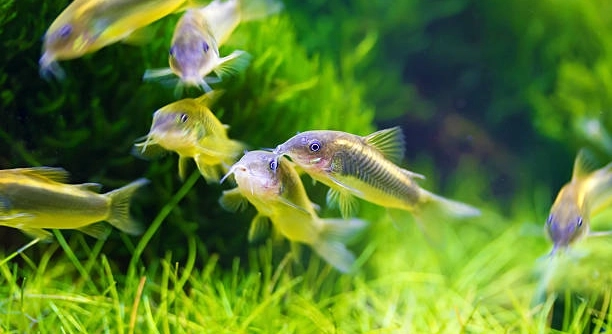
Corydoras catfish are popular aquarium fish known for their peaceful nature. However, their tendency to jump out of the tank can be a concern. Understanding why this happens is key to preventing it.
The primary cause of jumping is a stressful environment. Factors like poor water quality, overcrowding, or improper tank conditions can drive these catfish to escape. By identifying the stressors, you can reduce or eliminate the behavior.
Proper care will help prevent these incidents. The following tips will guide you in creating a safer environment for your Corydoras catfish.
Poor Water Quality
Corydoras catfish are sensitive to their water environment. Poor water quality can be a significant stressor. High ammonia or nitrate levels, fluctuating temperatures, and improper pH levels may cause discomfort for these fish. They instinctively try to escape if the water feels unsafe. Regular water changes, monitoring levels, and ensuring proper filtration are essential to keep the environment healthy. Inadequate water conditions weaken their immune systems and increase the likelihood of jumping. Maintaining stable water conditions not only prevents jumping but also ensures the overall health of the fish. Consistent care of water quality should be a priority for any aquarium owner.
Testing the water frequently for ammonia, nitrites, and nitrates will help keep the fish safe. Make sure the temperature is consistent and falls within the recommended range. If the pH level is off, use a water conditioner to adjust it. These steps can significantly reduce stress for Corydoras catfish.
A well-maintained tank makes a huge difference. When the water is clean and balanced, your Corydoras catfish are more likely to thrive and feel secure. Keeping a close eye on these factors can help prevent them from attempting to escape their environment.
Overcrowding
Overcrowding is another common issue. Too many fish in a small space can lead to competition for resources and increase stress. Corydoras catfish need room to swim and explore. If the tank is cramped, they may jump to find a more comfortable environment. Stocking the aquarium with the right number of fish for its size is vital.
Ensure the tank has enough space for each fish to feel secure. Avoid placing too many fish in a small aquarium. When each fish has its own space, it minimizes tension and keeps stress levels low.
Incorrect Tank Setup
Improper tank setup can contribute to jumping behavior. Corydoras catfish need a well-organized space. If the tank lacks hiding spots or is filled with sharp objects, they may feel exposed and stressed. A tank with soft substrate and plenty of hiding places will help them feel secure.
Ensure the tank setup includes decorations that offer hiding spaces, like plants or caves. The right substrate is essential; Corydoras catfish prefer soft, sandy bottoms. This allows them to dig and explore naturally. Consider the tank’s layout to create an environment where the fish feel protected.
A well-planned setup reduces stress and allows for a more enjoyable and peaceful environment for your Corydoras. If the catfish feel secure, they are less likely to jump in search of safety. Adding the proper features to your tank promotes healthier and happier fish.
Water Temperature Fluctuations
Temperature changes are a stress factor for Corydoras catfish. They require stable temperatures within a specific range. Sudden drops or increases in temperature can cause them to panic and attempt to escape. Keeping the tank temperature consistent will prevent unnecessary stress.
Use a reliable heater to maintain a steady temperature between 72°F and 78°F (22°C to 26°C). Corydoras catfish are sensitive to even slight changes, so it’s essential to avoid placing the tank in drafts or areas with fluctuating temperatures. A thermometer will help you monitor the conditions effectively.
Consistency in water temperature ensures the fish stay comfortable and healthy. Sudden shifts can lead to panic and attempts to jump out of the tank. Keeping the water temperature stable prevents this, reducing their stress and enhancing their well-being.
Inadequate Tank Lid
An inadequate tank lid can be a direct cause of jumping behavior. Corydoras catfish are known to leap when they feel stressed or threatened. If your tank lacks a secure lid, they may escape when startled or in search of a safer environment.
Ensure your tank has a well-fitting, secure lid to prevent your fish from jumping out. A tight-fitting lid prevents escapes while still allowing for adequate ventilation. You may need to use mesh or glass depending on your tank setup. This small adjustment can save you from losing your catfish.
Properly securing the tank with a lid is a simple but effective way to prevent your Corydoras catfish from jumping. With the right cover, you can avoid the stress of dealing with fish out of the tank, keeping them safe and healthy.
Aggression from Tankmates
Aggressive tankmates can push Corydoras catfish to jump. If they are constantly chased or bullied by more aggressive species, they will likely try to escape to find a calmer space. This increases their stress levels.
Choosing peaceful tankmates is essential for Corydoras catfish. Avoid pairing them with aggressive fish that might cause distress. Fish like bettas or cichlids can be too aggressive for these sensitive creatures. By maintaining a harmonious tank, you reduce the chances of aggression and stress.
Poor Lighting
Poor lighting can also contribute to the jumping behavior of Corydoras catfish. If the tank is too bright or lacks a day-night cycle, the fish may feel disoriented and stressed. Proper lighting is crucial for their comfort.
Maintain a consistent lighting schedule with dim lights during the evening and brighter lights during the day. This helps mimic natural light patterns and creates a peaceful atmosphere. Avoid harsh lighting, as it can cause stress, particularly for bottom-dwelling species like Corydoras.
FAQ
Why do Corydoras catfish jump out of the tank?
Corydoras catfish may jump out of the tank when they feel stressed or unsafe. Stressors like poor water quality, overcrowding, or aggressive tankmates can trigger this behavior. Additionally, incorrect tank setup, improper water temperature, or inadequate tank lids can cause these fish to try to escape. By addressing these issues, you can prevent jumping and create a more stable environment for your fish.
What is the ideal tank size for Corydoras catfish?
Corydoras catfish need enough space to move comfortably. A 20-gallon tank is generally the minimum recommended size for a small group of Corydoras. Larger tanks are better if you plan to keep more than a few fish, as overcrowding can lead to stress and increase the likelihood of jumping. More space allows them to explore, find hiding spots, and reduces aggression.
How can I tell if my Corydoras catfish is stressed?
Signs of stress in Corydoras catfish include erratic swimming, darting to the surface, or hiding constantly. If they frequently jump, it’s another sign of stress. Stress can be caused by factors such as poor water quality, improper tank mates, or environmental changes. Monitoring their behavior and making necessary adjustments can improve their well-being.
How often should I change the water in my Corydoras catfish tank?
Water changes should be done regularly to maintain a healthy environment. A 25-30% water change every week is ideal for Corydoras catfish. This helps remove toxins like ammonia, nitrates, and nitrites, which can build up and stress your fish. Consistent water changes also ensure that the water remains clean and oxygenated, promoting a stable tank.
Can Corydoras catfish live with other fish?
Yes, Corydoras catfish are peaceful bottom-dwelling fish and can live with other non-aggressive species. They do well with other peaceful fish like tetras, guppies, and bettas. Avoid keeping them with larger, aggressive fish that might harass or stress them. Always research compatibility before adding new tankmates to ensure harmony.
Is it necessary to have a lid on my Corydoras catfish tank?
Yes, it is essential to have a secure lid on your Corydoras tank to prevent them from jumping out. Even though they are bottom dwellers, they can still jump when startled or stressed. A well-fitted lid ensures the fish stay inside the tank while still allowing for proper ventilation. This simple step can prevent unwanted accidents.
What temperature should the water be for Corydoras catfish?
Corydoras catfish prefer water temperatures between 72°F and 78°F (22°C to 26°C). Consistent temperature is crucial for their health. Fluctuations in temperature can lead to stress and even cause the fish to jump. It’s important to use a reliable heater to maintain a stable environment for your catfish.
Do Corydoras catfish need a specific type of substrate?
Yes, Corydoras catfish prefer a soft, sandy substrate. This allows them to dig and search for food in a natural way. Gravel can injure their sensitive barbels, so avoid sharp or rough materials. A sandy substrate also helps maintain water quality by preventing debris buildup, making it an ideal choice for these fish.
Can Corydoras catfish live with snails?
Corydoras catfish can live with snails, as long as the snails are not too large or aggressive. Snails help clean up leftover food, which benefits the tank’s ecosystem. However, ensure that the snails are not competing for food or space with your Corydoras, as it could cause stress.
How do I prevent my Corydoras from jumping out of the tank?
To prevent jumping, ensure that the tank has secure, fitting lids. Keep the water clean and stable by performing regular water changes and monitoring water quality. Avoid overcrowding, and make sure your Corydoras have plenty of hiding spots to feel safe. Maintaining a peaceful tank environment is key to reducing stress.
Can Corydoras catfish survive in cold water?
Corydoras catfish are not suited for cold water. They thrive in temperatures between 72°F and 78°F (22°C to 26°C). If the water gets too cold, they become lethargic and can develop health issues. A stable, warm temperature is essential for their well-being. If you’re keeping them in cooler conditions, you may need to invest in a heater.
Final Thoughts
Corydoras catfish are peaceful and hardy fish, but they can experience stress in certain conditions. Jumping out of the tank is one of the ways they show their discomfort. Addressing the root causes, like improper tank setup, water temperature fluctuations, and aggression from tankmates, can help prevent this behavior. Providing a stable and comfortable environment for your Corydoras is essential to their health and well-being. By making simple adjustments to the tank, such as securing the lid, maintaining clean water, and ensuring the proper temperature, you can create a stress-free space for your fish.
The importance of creating a suitable environment cannot be overstated. Corydoras are bottom dwellers and prefer tanks with soft substrates and hiding spots to feel secure. Overcrowding and a lack of proper hiding places can increase stress and lead to jumping. By selecting peaceful tankmates and maintaining a stable water temperature, you can reduce the likelihood of your fish feeling threatened or uncomfortable. Additionally, a well-fitted tank lid ensures that your Corydoras stay safe and secure. It’s a small change that can prevent accidental escapes and keep your tank environment intact.
Finally, regular care and observation are crucial to keeping your Corydoras healthy and happy. Monitoring water quality and making necessary adjustments to the tank setup will prevent many common issues, including jumping behavior. Stressful conditions like poor water quality, fluctuating temperatures, or aggressive tankmates can be easily avoided with regular maintenance. Understanding the needs of your Corydoras catfish and making the effort to create a stable, peaceful tank will help them thrive. By making these small changes, you can enjoy a healthy and peaceful environment for both your fish and yourself.

Hello,
If you enjoy the content that we create, please consider saying a "Thank You!" by leaving a tip.
Every little bit helps us continue crafting quality advice that supports the health, happiness, and well-being of pets around the world, for pets of all shapes, sizes, and species.
We really appreciate the kindness and support that you show us!