
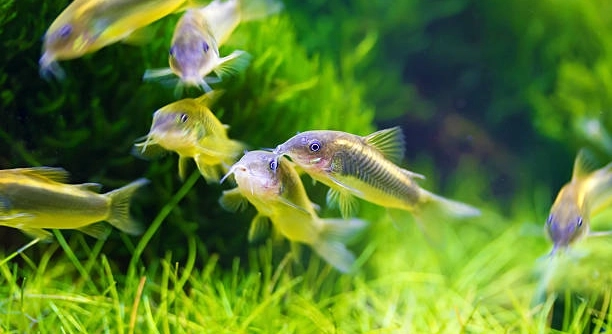
Corydoras catfish are a popular and peaceful addition to many aquariums. However, it can be concerning when they eat less than usual. Understanding why this happens can help ensure their well-being and maintain a healthy tank environment.
A decrease in eating can occur due to a variety of factors, including water quality, stress, or illness. Corydoras are sensitive creatures, so small changes in their environment or health can influence their appetite significantly.
Identifying the underlying cause is essential for making the right adjustments. From water parameters to tankmates, there are several aspects to consider when addressing your catfish’s eating habits.
1. Water Quality Issues
The quality of the water in your tank plays a crucial role in your Corydoras catfish’s health. These fish are especially sensitive to changes in water parameters like temperature, pH, ammonia, and nitrate levels. If the water isn’t optimal, it could cause stress, which in turn can reduce their appetite. Regular water changes and using a good filtration system will help maintain clean and stable water. Additionally, monitoring water parameters using a test kit is essential. A sudden fluctuation can be harmful, and even small changes can lead to the catfish eating less or becoming lethargic.
Poor water quality can also lead to more serious health issues over time. Stress, caused by the discomfort of living in suboptimal conditions, lowers the fish’s immune system and may lead to other diseases. Corydoras require clean, well-maintained water to thrive. If you’re unsure about the water conditions, it’s best to perform a water change and check all key parameters.
Keeping water quality in check isn’t just about pH or ammonia levels. It’s about creating a stable environment that mimics their natural habitat. When all factors are in harmony, your Corydoras will feel comfortable and less likely to skip meals.
2. Stress from Tankmates
Tankmates that are aggressive or overly active can make Corydoras feel threatened. These fish are peaceful and prefer to stay out of the way of more dominant species. When tankmates are overly aggressive, the catfish may feel stressed, leading them to eat less.
Stress from tankmates can cause physical and behavioral changes in Corydoras. The fish may hide more often and avoid interaction, including feeding. Some fish, especially more aggressive ones, might bully the catfish or outcompete them for food. In this case, consider rearranging the tank to create more hiding spots, or separate the aggressive species.
The key is to find a balance with compatible tankmates. Corydoras thrive with other peaceful fish like small tetras or rasboras. If aggression continues, you might need to consider rehoming or removing the problematic species to ensure your catfish can eat and live comfortably.
3. Illness or Injury
If your Corydoras is eating less, illness or injury could be the reason. These fish are quite susceptible to bacterial or parasitic infections, which can lead to a lack of appetite. Signs like faded colors, odd swimming behavior, or visible wounds should be taken seriously.
A sick Corydoras may become less active and prefer to hide. This behavior often results from discomfort caused by illness. If you notice these signs, it’s crucial to address the issue quickly. A water change, medication, and isolating the affected fish in a quarantine tank can prevent the spread of illness to other tankmates.
If the illness is more serious, professional advice might be needed. Sometimes the fish may need specific treatments for parasites or bacterial infections. Close observation and prompt treatment can make a big difference in their recovery, and early intervention may even help restore their appetite.
4. Overfeeding or Poor Diet
Sometimes, Corydoras will eat less if they are being overfed. Too much food can lead to uneaten leftovers in the tank, causing water quality issues. This could lead to your fish becoming sluggish and uninterested in eating their regular meals.
Feeding a balanced diet in the right portions is key. Offer small amounts of food that can be consumed within a few minutes to avoid excess waste. A good variety of food, such as sinking pellets, live foods, and frozen options, will also keep your catfish interested in their meals. If you feed them too often, they may not feel hungry enough to eat.
By adjusting your feeding schedule and portion sizes, you can ensure that your Corydoras stays healthy and maintains a good appetite. Additionally, consider supplementing their diet with occasional treats, like bloodworms or brine shrimp, to make meals more exciting.
5. Water Temperature Fluctuations
Corydoras are sensitive to temperature changes. If the water is too hot or too cold, it can affect their appetite. These fish prefer a stable range, typically between 72°F and 78°F (22°C – 26°C). Sudden changes can cause stress and reduce feeding behavior.
When the temperature fluctuates outside of this range, it may cause your catfish to slow down or hide. This often leads to them eating less, as they’re more focused on adjusting to the new conditions. Installing a reliable heater and thermometer can help maintain a stable temperature, making your Corydoras feel more comfortable and encouraging them to eat.
6. Poor Tank Maintenance
If the tank isn’t cleaned regularly, it can lead to poor water quality, which directly affects your Corydoras’ health. Accumulated waste and uneaten food can harm water conditions, leading to a loss of appetite.
Regular cleaning of the substrate, glass, and filter is essential. Make sure to remove uneaten food, perform routine water changes, and check your filter for clogs. When the tank is clean, it creates a more inviting environment for your catfish to feel safe and comfortable, encouraging them to resume eating.
7. Age or Natural Behavior
As Corydoras age, they may naturally eat less. Older fish often slow down and become less active. This reduction in feeding could simply be a sign of maturity.
If your fish shows no signs of illness and water conditions are optimal, a decrease in appetite could be linked to natural aging. Just like humans, older Corydoras have lower energy levels and may not require as much food. However, it’s still important to monitor them to ensure they are not suffering from other health issues.
FAQ
What is the ideal water temperature for Corydoras catfish?
Corydoras prefer water temperatures between 72°F and 78°F (22°C – 26°C). They thrive in stable conditions, so avoid sudden temperature changes. A consistent temperature within this range will ensure they stay healthy and active, helping to keep their appetite in check. If the water gets too hot or too cold, they may eat less and become stressed. Investing in a quality heater and thermometer will help maintain these conditions.
How often should I feed my Corydoras catfish?
Corydoras should be fed small amounts 1-2 times a day. They don’t require large portions, as overeating can lead to uneaten food causing water quality issues. Offering only enough food they can consume in 2-3 minutes ensures they don’t become bloated or stressed. Also, vary their diet to include sinking pellets, frozen or live food like bloodworms or brine shrimp to keep them interested.
Can Corydoras eat vegetables?
Yes, Corydoras can eat vegetables as part of a balanced diet. They can enjoy blanched vegetables such as zucchini, spinach, and peas. These foods provide essential nutrients, fiber, and variety. Make sure the vegetables are cut into small pieces so the catfish can easily eat them. Offering a mix of vegetables alongside protein-rich foods will keep them healthy.
Do Corydoras eat algae in the tank?
While Corydoras do nibble on algae, they aren’t primarily algae eaters. They will help keep your tank clean by eating small amounts of algae on surfaces, but they need a more varied diet to stay healthy. Algae should not be relied upon as their main food source.
Why is my Corydoras catfish hiding?
Hiding can be a sign of stress or illness in Corydoras. If they are hiding more than usual, it may indicate they are not feeling well or are uncomfortable due to changes in water quality or tankmates. Make sure their environment is stable and that they’re not being harassed by other fish. If the hiding persists, check for signs of disease or injury.
How can I tell if my Corydoras catfish is sick?
Signs of illness in Corydoras include lethargy, loss of appetite, faded colors, irregular swimming, or visible sores or lesions on their bodies. If you notice any of these symptoms, it’s important to act quickly. Isolate the fish in a quarantine tank, check water quality, and consider using medication if necessary. Consult a vet if symptoms persist.
Can Corydoras survive in brackish water?
Corydoras catfish are freshwater fish and are not suited for brackish water. They can only tolerate very low salinity levels for short periods. Keeping them in brackish water could lead to stress or illness. Ensure your tank conditions align with their needs by maintaining a freshwater environment with stable water parameters.
What size tank do Corydoras need?
Corydoras are small fish, but they still need space to swim and thrive. A 20-gallon tank is ideal for a small group of Corydoras. Larger tanks provide better conditions for multiple fish and reduce stress. A spacious tank with good filtration and hiding spots will ensure they are comfortable and happy.
Can Corydoras live with other fish?
Yes, Corydoras are peaceful and can live with many other fish species, especially those that aren’t aggressive. They do well with small, calm fish such as tetras, rasboras, and guppies. Avoid keeping them with large, territorial, or aggressive fish that might bully them or steal their food.
How do I clean my Corydoras’ tank?
Cleaning your Corydoras’ tank involves several tasks. Perform regular water changes of 25-30% every 1-2 weeks. Vacuum the substrate to remove debris and uneaten food. Clean the filter to ensure proper filtration and prevent clogging. Be sure to test water parameters frequently to avoid any issues with ammonia, nitrites, or nitrates.
Are Corydoras catfish nocturnal?
Yes, Corydoras are generally nocturnal or crepuscular, meaning they are most active during the evening or early morning. They may spend a lot of time hiding during the day but will come out to forage for food once the lights dim. If your catfish isn’t eating during the day, try feeding them at night or during low light hours.
Why is my Corydoras not eating pellets?
If your Corydoras is ignoring pellets, it could be due to the type or size of the pellets. Make sure you’re offering sinking pellets, as Corydoras prefer to forage along the bottom. If the pellets are too large or hard, they may struggle to eat them. Try offering different types of food, including live or frozen foods, to see what they prefer.
Final Thoughts
Understanding why your Corydoras catfish is eating less is essential to ensuring their health and happiness. There are many factors to consider, such as water quality, stress, diet, and even age. By keeping a close eye on your tank’s conditions and monitoring your catfish’s behavior, you can often identify the cause of the issue. Regular water changes, proper filtration, and maintaining stable water temperatures go a long way in keeping your fish comfortable. A well-maintained tank not only benefits the Corydoras but also ensures the well-being of all your aquatic pets.
It’s also important to recognize when your fish may be under stress. This can come from aggressive tankmates, poor water conditions, or even the wrong diet. Corydoras are peaceful creatures, and when their environment is too hectic or their food is not to their liking, they may stop eating. Being proactive about water quality, the compatibility of tankmates, and feeding habits is the key to preventing these issues. Remember, Corydoras thrive in calm, stable environments where they have plenty of hiding spaces and opportunities to forage for food.
Finally, keep in mind that sometimes less eating may just be a natural part of your fish’s life cycle. As Corydoras age, they might slow down, becoming less active and eating less. However, if you notice any signs of illness or unusual behavior, it’s essential to address those concerns quickly. Whether it’s a water quality issue, stress, or a health problem, early detection and action can help ensure that your Corydoras remains a happy, healthy part of your aquarium for many years.

Hello,
If you enjoy the content that we create, please consider saying a "Thank You!" by leaving a tip.
Every little bit helps us continue crafting quality advice that supports the health, happiness, and well-being of pets around the world, for pets of all shapes, sizes, and species.
We really appreciate the kindness and support that you show us!