
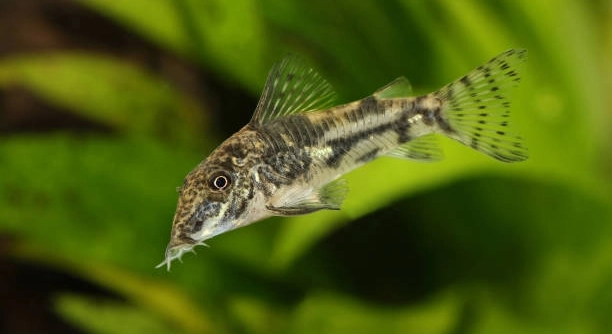
Corydoras catfish are popular in many aquariums, known for their playful and peaceful nature. However, if you notice your catfish laying on its side, it can be concerning. This behavior may indicate an underlying issue.
When a Corydoras catfish lays on its side, it could be a sign of stress, illness, or poor water quality. Factors such as disease, water temperature, or lack of oxygen can affect their behavior and overall well-being.
Addressing this behavior early can help prevent more serious health concerns. Identifying the cause is key to ensuring your Corydoras catfish stays happy and healthy.
Poor Water Quality
Water quality plays a major role in the health of your Corydoras catfish. If the water is dirty or contains high levels of ammonia or nitrites, it can cause stress and make the fish feel unwell. A dirty tank can lead to poor oxygen levels, causing your catfish to lay on its side in search of a safer or more comfortable area. Testing the water regularly and performing water changes are essential in preventing this issue.
Maintaining proper filtration is another critical factor. Without clean water, even the most well-maintained tank can harm your fish. Ensuring the right filter system can help to keep the water in optimal condition, promoting better health.
If your tank’s water quality isn’t ideal, it can impact all of your fish, not just the Corydoras. Consistent care, such as keeping ammonia levels under control and avoiding overfeeding, can help your catfish stay healthy and active. Regular tank checks will ensure a thriving environment for your fish.
Disease or Infection
Infections and diseases can be silent and sneaky. Corydoras catfish are vulnerable to various infections, especially when they are stressed or in poor water conditions. The stress of being in a tank with high toxins weakens their immune system, making them more prone to illness. A common issue is fungal or bacterial infections, which can cause lethargy and unusual behavior like lying on their side.
If you observe any changes in behavior, such as your Corydoras staying still or laying sideways, it may be due to an infection. Look for additional symptoms like lesions, skin discoloration, or swelling. Identifying the infection early is essential to preventing it from spreading.
When dealing with a sick fish, isolating it from other fish and administering the correct treatment as recommended by an expert is key. Be mindful of water quality during this process, as poor conditions will only make things worse. Your catfish may require medications for proper healing.
Lack of Oxygen
A lack of oxygen can often be overlooked but is a common cause of Corydoras laying on their side. These catfish, known for their bottom-dwelling habits, depend on dissolved oxygen in the water to breathe properly. In tanks with insufficient aeration or low oxygen levels, they may struggle to maintain energy and balance, causing them to lie down more often.
To ensure your Corydoras gets enough oxygen, make sure your tank has proper water circulation. A weak filter or lack of aeration can prevent water from moving, reducing oxygen availability. Adding an air pump or adjusting the filter to increase water flow can help solve this problem. Additionally, maintaining a stable water temperature is vital. Warmer water holds less oxygen, so try to keep the temperature at the ideal range for Corydoras.
By improving oxygen levels in your tank, you’ll provide a healthier environment for your catfish to thrive. Increased oxygen can promote natural swimming behavior and better overall health. Keep the tank well-maintained, and your Corydoras should regain its usual energy.
Stress or Anxiety
Stress can cause your Corydoras to display unusual behavior. Overcrowded tanks, noisy environments, or sudden changes in the tank can make your catfish feel anxious. These fish are sensitive to their surroundings, and stress can weaken their immune system. As a result, they may lay on their side as a coping mechanism.
Stress relief starts with creating a calm and stable environment. Keeping the tank clean, ensuring adequate space, and avoiding drastic changes in temperature or water conditions are key. If your Corydoras is stressed, it’s essential to reduce any disturbances and give it time to recover. Maintaining a peaceful atmosphere will prevent further health issues.
Ensure that your catfish feels secure by avoiding overstocking and providing hiding spots. Using plants, rocks, or decorations allows them to retreat when feeling threatened. This can help reduce stress and support your Corydoras’ well-being.
Water Temperature
Water temperature can have a significant effect on your Corydoras’ health. Corydoras catfish are tropical fish and thrive in temperatures between 72°F and 78°F (22°C and 26°C). If the water is too hot or too cold, your catfish may become sluggish and lay on its side.
Sudden fluctuations in water temperature can cause shock. It’s important to monitor the tank with a reliable thermometer. If your tank’s temperature is consistently outside the preferred range, consider adjusting the heater or relocating the tank to a more stable area in the room.
A consistent, appropriate temperature helps your Corydoras stay active and healthy. Maintaining the correct range prevents stress and keeps the catfish in a more natural state. When temperature stability is achieved, it’s easier for your fish to thrive without unnecessary health issues.
Overfeeding
Overfeeding is a common issue that affects many aquarium fish, including Corydoras. Excess food in the tank can lead to water quality problems, which in turn can cause stress. This may result in your catfish becoming lethargic and laying on its side.
To prevent overfeeding, only offer as much food as your catfish can consume in a few minutes. This keeps the water clean and ensures that your fish aren’t left with excess food to deteriorate. Regularly remove any uneaten food to avoid fouling the water.
Keep an eye on feeding habits and avoid offering food too often. A controlled feeding routine helps maintain water quality and keeps your Corydoras active.
Improper Tankmates
Tankmates play a big role in your Corydoras’ well-being. If they are housed with aggressive or overly active fish, it can cause stress, leading to your catfish laying on its side. Some fish may also compete for food, leaving your Corydoras underfed.
It’s important to research the compatibility of your tankmates. Corydoras are peaceful fish and do best with other calm species. Avoid keeping them with overly aggressive fish that may harass or outcompete them for food. Providing peaceful surroundings can help reduce stress, keeping your fish active and healthy.
By choosing compatible tankmates, your Corydoras will be able to thrive in a peaceful, secure environment.
Inadequate Substrate
The substrate in your tank is an important factor for your Corydoras. These fish are bottom dwellers and rely on a soft substrate to move comfortably. If the substrate is too rough, it can cause physical stress and irritation, resulting in your catfish lying on its side.
Choose a soft, smooth substrate like fine gravel or sand. This allows your Corydoras to forage comfortably without risking injury. Rough or sharp materials can damage their delicate barbels or skin, leading to stress and poor health. The right substrate is essential to their comfort and activity.
Make sure the substrate is deep enough for your Corydoras to burrow and sift through. This natural behavior can help keep them healthy and engaged.
FAQ
Why is my Corydoras catfish lying on its side?
Corydoras catfish laying on their side can be a sign of several issues, including poor water quality, stress, illness, or inadequate tank conditions. It’s important to monitor the water parameters, ensure the tank is clean, and look out for other signs of illness. Poor oxygen levels, overcrowding, or diseases like swim bladder disorder can also cause this behavior. Identifying the root cause early on will help you address the problem effectively.
How can I improve water quality for my Corydoras?
Maintaining good water quality is essential for the health of your Corydoras catfish. Regular water changes, ideally 25-30% weekly, will help maintain optimal conditions. Ensure your filter is functioning properly and check ammonia, nitrite, and nitrate levels using a reliable test kit. Adding live plants can also help improve water quality by absorbing excess nutrients. Avoid overfeeding, as uneaten food can degrade water quality quickly. Also, ensure your tank has a proper filtration system suited for the size of your aquarium.
Can temperature changes affect my Corydoras?
Yes, Corydoras catfish are sensitive to temperature changes. Rapid fluctuations can stress them out, causing lethargy or unusual behavior like laying on their side. Keep the water temperature stable, ideally between 72°F and 78°F (22°C to 26°C). Sudden temperature drops can weaken their immune system, making them more vulnerable to infections. Use a thermometer to monitor the tank’s temperature and ensure consistency.
What should I feed my Corydoras catfish?
Corydoras are bottom feeders and primarily eat sinking pellets or food that reaches the bottom of the tank. A varied diet will keep them healthy; provide high-quality sinking pellets, occasional live or frozen food like brine shrimp or bloodworms, and blanched vegetables like zucchini or spinach. Be sure to feed only what they can eat in a few minutes to avoid excess food that can deteriorate water quality. Overfeeding is one of the main contributors to poor water conditions, which can lead to your Corydoras laying on its side.
How often should I change the water in my tank?
Changing the water regularly is crucial to maintaining a healthy environment for your Corydoras catfish. Aim for a 25-30% water change every week to keep the water parameters stable. If you have a larger tank or more fish, you may need to increase the frequency. Testing the water regularly for ammonia, nitrites, and nitrates can help determine if more frequent water changes are necessary. Regular water changes also help remove toxins and prevent the build-up of harmful substances, which can stress your Corydoras.
Can I keep Corydoras with other fish?
Corydoras are peaceful and social fish that generally do well with other calm species. Avoid keeping them with aggressive or overly active fish, as this can cause stress. Good tankmates for Corydoras include other peaceful bottom dwellers or slow-moving fish like tetras, guppies, and small peaceful cichlids. Ensure that the tank has enough space for everyone to avoid territorial disputes. Additionally, make sure all tankmates are compatible in terms of water temperature, pH, and hardness.
What is the best substrate for Corydoras catfish?
Corydoras are bottom dwellers and prefer soft, smooth substrates like fine sand or small, rounded gravel. Rough substrates, such as sharp-edged rocks, can injure their delicate barbels. Sand also allows them to dig and forage naturally, which is crucial for their health. A deep enough substrate will also help prevent waste from accumulating at the bottom, maintaining better water quality. Avoid using coarse gravel or sharp-edged stones to prevent physical harm to your catfish.
Why is my Corydoras not eating?
If your Corydoras catfish isn’t eating, there could be a few reasons. Stress is a common cause, especially if there have been recent changes in the tank environment or if they’re kept with aggressive tankmates. Illness or water quality problems, such as high levels of toxins or improper temperature, can also affect their appetite. Additionally, overfeeding or providing food that doesn’t suit their diet may make them lose interest in eating. Assess the environment and make necessary changes to improve their conditions, which may encourage normal eating habits.
Can Corydoras catfish survive in cold water?
Corydoras are tropical fish and require warm water to thrive. They are not suited to cold water and may become stressed or sick if the water temperature drops below 70°F (21°C). Keeping the water temperature within the recommended range of 72°F to 78°F (22°C to 26°C) will ensure they stay active and healthy. A reliable aquarium heater is essential for maintaining the right temperature, especially in cooler climates.
How do I know if my Corydoras is stressed?
Signs of stress in Corydoras can include lethargy, unusual swimming patterns (such as laying on their side), hiding more than usual, and a lack of appetite. Stress can also manifest as erratic swimming or fast breathing. Poor water quality, sudden temperature changes, and aggressive tankmates are common stressors. If your catfish is displaying these signs, check the water parameters and consider reducing any stress factors in the tank to help your Corydoras recover.
Final Thoughts
Corydoras catfish are generally hardy and peaceful fish, but they can be sensitive to changes in their environment. If you notice your Corydoras lying on its side, it’s important to identify the underlying cause. There are several possible reasons for this behavior, including poor water quality, stress from tankmates, or an improper tank setup. By carefully observing your catfish and taking steps to address potential issues, you can help them recover and thrive in their aquarium.
Maintaining a clean tank with stable water conditions is key to the health of your Corydoras. Regular water changes, proper filtration, and careful feeding practices will help keep the water quality high. Keep the temperature in the ideal range and avoid rapid fluctuations, as Corydoras are sensitive to temperature changes. In addition, providing a soft substrate and compatible tankmates will ensure your catfish feel comfortable and safe. By paying attention to these details, you can create a better environment for your fish.
If you continue to see your Corydoras lying on its side despite addressing water quality, diet, and tank setup, it may be time to consult with an aquarium professional. Illnesses such as swim bladder disease or infections can also cause lethargy and abnormal behavior. Early diagnosis and treatment are essential to prevent further health issues. With proper care and attention, Corydoras catfish can live long, healthy lives, contributing to a peaceful aquarium community.

Hello,
If you enjoy the content that we create, please consider saying a "Thank You!" by leaving a tip.
Every little bit helps us continue crafting quality advice that supports the health, happiness, and well-being of pets around the world, for pets of all shapes, sizes, and species.
We really appreciate the kindness and support that you show us!