
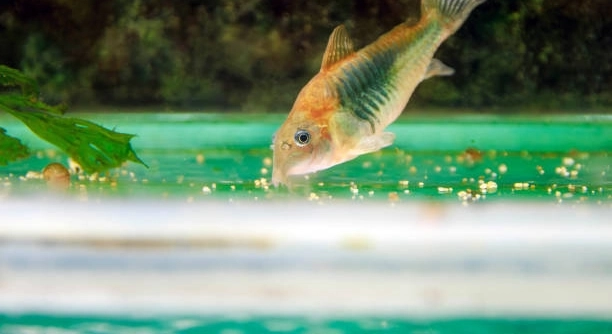
Is your Corydoras catfish spending more time resting, swimming erratically, or hiding behind decorations in your aquarium setup? These small signs could be pointing to a tank that’s no longer meeting their needs.
Corydoras catfish may outgrow their tanks due to space limitations, social stress, or poor water quality. Common signs include rapid breathing, reduced activity, faded colors, and unusual swimming behaviors. Observing these signs helps prevent long-term health issues.
Learning the signs early makes a big difference in keeping your Corydoras comfortable, active, and healthy as they continue to grow.
7 Signs Your Corydoras Catfish Is Outgrowing Its Tank
Corydoras catfish are small, peaceful bottom dwellers, but they still need enough space to swim, rest, and explore. A cramped tank can lead to stress and health issues. One of the most noticeable signs is a change in behavior. If your Corydoras becomes less active, hides more often, or starts swimming frantically along the glass, the tank may be too small. Poor water quality can also build up faster in a tank that’s too small, even with regular maintenance. You might notice your fish breathing quickly, showing faded colors, or interacting less with others. These changes aren’t random. They often reflect discomfort or a lack of space to behave normally. Overcrowding and limited floor space can also increase territorial behavior and social stress among tank mates, even in a species known for its calm nature. These changes are your signal that a larger tank may be necessary.
Watch for signs like rapid gill movement, faded markings, or changes in swimming patterns. These may suggest the tank no longer meets their needs.
Giving your Corydoras a proper tank size helps them thrive. It encourages natural behaviors, supports group dynamics, and keeps water parameters more stable and easier to manage over time.
Ideal Tank Size for Corydoras Catfish
A group of Corydoras needs more than a small setup. Most species thrive in a tank of at least 20 gallons, especially when kept in groups.
Corydoras are social fish that live best in groups of six or more. Each fish needs room to forage and explore along the bottom. A narrow tank or one with limited surface area can quickly become too tight. Even if your group seems to fit at first, growth over time changes how much space they need. They might start out small, but as they grow, their need for space and cleaner water increases. A 20-gallon long tank gives enough floor space for active bottom-dwelling behavior. It also provides more room for hiding spots, plants, and decor without overcrowding. A larger tank also reduces the chances of harmful waste buildup. Clean water is easier to maintain when there’s more volume. If you’re upgrading, choose a tank with a long horizontal layout rather than one that’s tall. Floor space is more important for this species than depth, since they spend most of their time near the bottom.
Behavioral Changes to Watch For
A Corydoras that’s outgrowing its tank often behaves differently. You might see them darting around more, hiding excessively, or isolating themselves from the group. These changes usually mean they’re stressed or uncomfortable in their environment.
When space is limited, Corydoras may stop swimming in groups, a behavior that’s natural and important for their well-being. Instead of calmly exploring the tank together, they might scatter or hover in corners. They may also swim along the tank glass repeatedly, which can be a sign of frustration or anxiety. In a healthy setup, Corydoras are active during feeding times and spend much of their day foraging. If this stops, something’s off. Even subtle shifts like less movement or disinterest in food can point to overcrowding. These behavioral signs are easy to miss, so paying close attention helps you recognize when it’s time to upgrade their environment.
In a tank that’s too small, aggression can sometimes appear, especially if hiding spots are limited. Corydoras are usually peaceful, but stress from tight conditions can cause them to chase one another or nip fins. This isn’t normal for the species. Instead of assuming it’s just a bad day, consider the space available. Stress behaviors can become more frequent when tank mates compete for space and comfort. Over time, this stress can affect immune function, making them more likely to get sick. If you’re seeing behavioral shifts that persist even after water changes and routine care, it’s worth assessing whether the tank size still suits their needs.
Physical Signs of Stress or Discomfort
Rapid gill movement, dull coloring, or visible weight loss can signal that your Corydoras is not doing well. These physical signs are often paired with behavioral changes and tend to develop gradually over time.
When Corydoras don’t have enough space or proper water conditions, their appearance may begin to change. Faded color is one of the most noticeable signs. A healthy Corydoras has distinct, vibrant markings. When stressed, these can look dull or patchy. They may also lose weight despite regular feeding, which suggests chronic stress or competition for food. Constant stress affects their ability to process nutrients properly. Their barbels—the whisker-like structures near the mouth—can also shorten or wear down due to poor substrate or lack of space to move freely. If your fish’s whiskers look damaged or shortened, this may be another clue that the tank needs improvement. Addressing these physical signs early prevents further decline and health issues.
Water Quality Becomes Harder to Manage
As Corydoras grow, they produce more waste, which makes it harder to keep ammonia, nitrite, and nitrate levels low in a small tank. Frequent water changes may not be enough to keep up with their needs.
Limited space means less room for beneficial bacteria to grow. These bacteria help break down waste, but in an overcrowded tank, they can’t keep up. Even with a good filter, water conditions can become unstable quickly, affecting your Corydoras’ health.
Importance of Bottom Space for Corydoras
Corydoras are bottom-dwelling fish that rely on floor space more than vertical swimming room. A tank with a long horizontal footprint gives them more room to forage, rest, and interact naturally. When tanks are too narrow or tall, they may struggle to establish territories or feel secure. Hiding spots like caves, driftwood, and live plants also work better in a wider layout, reducing stress and encouraging healthy behavior. Tall tanks can look appealing, but they limit how much usable space Corydoras have. Prioritizing tank length helps support their daily activity, reduces conflict, and improves their overall quality of life.
Group Size Can Add Pressure
Larger groups need more room to move freely. Keeping too many Corydoras in a small tank increases waste and limits space for social behaviors. This creates stress, especially when combined with limited hiding spots.
FAQ
How do I know if my Corydoras is stressed due to a small tank?
Stress in Corydoras can be seen through behavioral and physical changes. You may notice that they swim erratically or start hiding more often. Their color may fade, and they might stop interacting with the group. Rapid gill movement or disinterest in food can also indicate stress. If these signs appear consistently, it’s a strong signal that your tank might be too small.
Can a Corydoras survive in a 10-gallon tank?
A 10-gallon tank is generally too small for a group of Corydoras, especially as they grow. Corydoras are social fish, and they thrive in groups of at least six. A 10-gallon tank doesn’t provide enough space for both the fish and adequate water quality. A larger tank, such as a 20-gallon long, will give them more room to move and keep water conditions stable.
What size tank is ideal for Corydoras?
The ideal tank size for a group of Corydoras is at least 20 gallons, with a long horizontal layout. This size allows for proper space and helps maintain water quality. A larger tank reduces stress by providing more room for swimming and hiding spots. For larger groups or species of Corydoras, a tank of 30 gallons or more is recommended.
How many Corydoras can fit in a 20-gallon tank?
In a 20-gallon tank, you can comfortably keep up to six Corydoras. This number ensures they have enough space to socialize and roam the bottom. For each additional Corydoras, you will need to increase the tank size by at least 5 gallons. This prevents overcrowding and keeps the water quality manageable.
Can Corydoras live with other species?
Yes, Corydoras are peaceful fish and can live well with other species. They are social and get along with most non-aggressive tank mates. Avoid housing them with fin-nipping fish or overly aggressive species. Tank mates like small tetras, guppies, and peaceful barbs are often good companions for Corydoras.
What’s the best substrate for Corydoras?
Corydoras prefer a soft, sandy substrate that doesn’t damage their barbels. Sharp gravel or large stones can hurt them, so it’s important to provide a smooth sand or fine gravel substrate. This allows them to forage comfortably without the risk of injury. They also enjoy digging and sifting through the sand to find food.
How often should I change the water in my Corydoras tank?
For a healthy tank, it’s best to perform a partial water change of 20-30% every week. Regular water changes help maintain stable water conditions by removing waste and toxins. In smaller tanks or when the bioload is high, you may need to change water more frequently to keep the environment clean.
Why is my Corydoras not eating?
If your Corydoras isn’t eating, it could be a sign of stress or illness. It might not be getting enough space or could be intimidated by other tank mates. Another reason could be poor water conditions or a sudden change in the tank environment. If this persists, test the water quality and check for any visible signs of disease.
Can Corydoras live with shrimp?
Yes, Corydoras can live with shrimp, especially species like cherry shrimp or ghost shrimp. Corydoras are peaceful and will usually ignore them, but shrimp are small and might get stressed in a crowded tank. Make sure there are plenty of hiding spots for the shrimp to escape to if needed.
How do I make sure my Corydoras is comfortable in their tank?
To ensure your Corydoras are comfortable, provide a tank with plenty of space, soft substrate, and hiding places like caves or plants. Maintain clean, well-filtered water with stable parameters (pH, temperature, hardness). Keep the water temperature between 72°F and 78°F, and feed them a varied diet that includes sinking pellets and occasional live or frozen foods.
Are Corydoras active during the day?
Yes, Corydoras are diurnal, meaning they are active during the day. They spend their time foraging for food, interacting with other fish, and exploring the bottom of the tank. While they may rest occasionally, they are generally quite active, especially during feeding times.
Do Corydoras need a heater?
Corydoras are tropical fish and need warm water to thrive. A reliable heater is essential to maintain a stable water temperature between 72°F and 78°F. Fluctuating temperatures can cause stress and health problems for Corydoras, so it’s important to keep the tank within this temperature range year-round.
Why do Corydoras swim to the surface?
Corydoras sometimes swim to the surface to gulp air. This is normal, as they have an accessory breathing organ called a labyrinth organ, allowing them to extract oxygen from the air when needed. However, excessive surface swimming can indicate poor water quality or oxygen levels, so it’s important to check the tank conditions.
How do I know if my Corydoras is sick?
Signs of illness in Corydoras include fading colors, erratic swimming, clamped fins, or refusal to eat. You might also notice swollen bellies, lesions, or white spots. If your Corydoras shows any of these signs, it’s important to isolate the fish if possible and test water parameters immediately. Seeking advice from an aquatic veterinarian can also help with treatment.
Do Corydoras need a lot of oxygen in the tank?
Corydoras do need oxygen-rich water, but they are less sensitive to low oxygen levels compared to some other species. Ensuring good water circulation and surface agitation will help provide adequate oxygenation. Regular water changes also keep oxygen levels stable, so they can breathe comfortably and thrive.
Final Thoughts
As your Corydoras catfish grow, it’s important to monitor their environment closely. A small tank that once seemed sufficient can quickly become inadequate as they reach their full size. Overcrowding, poor water quality, and limited space can lead to stress, illness, and behavioral issues. Ensuring your fish have ample space to swim and explore can greatly improve their overall well-being. A larger tank not only supports better water quality but also gives them more freedom to engage in natural behaviors, reducing stress and promoting healthier fish.
In addition to tank size, the water quality and substrate play critical roles in the health of Corydoras. Maintaining stable water parameters and a clean tank is essential. Since Corydoras are bottom-dwelling fish, providing them with a soft substrate, such as fine sand, is necessary to avoid injury to their barbels. Regular water changes and proper filtration will help keep the water clean, supporting a healthy environment for your fish. Consistently monitoring the tank’s water quality will prevent imbalances that could affect the health of your Corydoras.
Ultimately, the key to happy and healthy Corydoras lies in creating a balanced and suitable environment. This includes a tank size that accommodates their growth, proper water conditions, and a comfortable substrate. As they thrive in groups, ensuring your tank has enough space for them to interact socially is also important. By making these considerations a priority, you can enjoy watching your Corydoras flourish in a peaceful, well-maintained tank.

Hello,
If you enjoy the content that we create, please consider saying a "Thank You!" by leaving a tip.
Every little bit helps us continue crafting quality advice that supports the health, happiness, and well-being of pets around the world, for pets of all shapes, sizes, and species.
We really appreciate the kindness and support that you show us!