
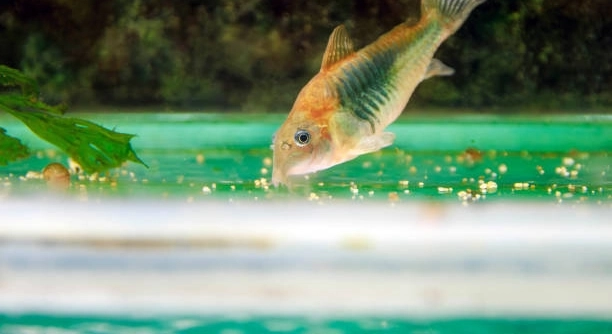
Is your Corydoras catfish acting shy or staying away from the other fish in your aquarium more than usual?
Corydoras catfish often avoid tank mates due to stress, poor water conditions, overcrowding, or illness. Environmental factors and incompatible tank mates can also lead to this behavior, which is usually a sign something is off.
Exploring the causes can help you create a safer, more comfortable environment where your Corydoras can thrive and feel secure around other fish.
Stress From a New Environment
When you first bring a Corydoras catfish home, it may need time to adjust. A new tank means unfamiliar water, lighting, and surroundings. Corydoras are sensitive, and sudden changes can overwhelm them. Even small shifts in temperature, pH, or noise levels around the tank can cause anxiety. During this adjustment period, they may hide behind decorations or plants and avoid tank mates. This behavior is their way of seeking safety while figuring out their new space. A calm setup with stable water conditions and minimal disturbance can help them settle faster. Providing enough hiding spots also makes a big difference.
Give them at least a few days to a week to feel safe. Try not to rearrange the tank or introduce other fish during this time.
Once they feel at ease, you may notice your Corydoras becoming more social and active, especially in small groups of their own kind.
Aggressive or Incompatible Tank Mates
Tank mates that nip fins or chase other fish can make Corydoras uncomfortable. These catfish prefer peaceful neighbors who won’t invade their space.
Corydoras catfish are peaceful bottom dwellers that thrive with similarly calm fish. If they are housed with aggressive or overly active species, they may spend most of their time hiding. Even if physical harm doesn’t occur, constant stress from being chased or crowded can lead to long-term behavioral changes. Barbs, some types of cichlids, or large fast-swimming fish are often not suitable. These species can disturb the Corydoras’ environment, making it hard for them to rest or search for food. To help, research compatibility before adding new fish. Stick to small, peaceful species like tetras, rasboras, or other community fish. It’s also helpful to keep Corydoras in small groups of five or more since they feel more secure in numbers. When surrounded by calm companions, their natural behavior becomes more visible and interactive.
Poor Water Quality
Poor water quality can cause Corydoras to become stressed and withdrawn. High ammonia or nitrite levels, unstable pH, or low oxygen make the tank uncomfortable and unsafe for them to interact normally.
Corydoras catfish are sensitive to changes in water parameters. If the tank isn’t cycled properly or regular maintenance is skipped, harmful substances build up quickly. Ammonia and nitrites are especially dangerous and can lead to gill damage, which makes the fish lethargic. They may hide more and avoid others to conserve energy or reduce stress. Keeping the water clean with weekly partial water changes and a reliable filter is key. Using a water test kit regularly can help you catch issues early. Aim for ammonia and nitrites at zero, and keep nitrates under 20 ppm to maintain a safe environment.
Low oxygen levels can also contribute to odd behavior. Corydoras breathe both through their gills and by gulping air at the surface. If they’re doing this often, it’s a sign your tank may be lacking oxygen. Check if your filter is circulating water well or consider adding an air stone. Warmer water holds less oxygen, so avoid letting temperatures rise too high. Stable, oxygen-rich water helps them feel safe and more social again.
Lack of Hiding Spots
Not enough hiding spaces can make Corydoras feel exposed. They like having areas to retreat when they’re scared or need rest.
Corydoras catfish don’t just use hiding spots when they’re stressed—they use them as part of their natural rhythm. During the day, they often rest in shaded or covered areas, especially if the tank is bright. If your tank has few plants, caves, or decorations, they may stay still in corners or behind the filter. Adding live or artificial plants, driftwood, or small caves gives them the privacy they need. These spots help reduce stress and let them explore with more confidence. The more secure they feel, the more active and social they tend to become during feeding or group activity. A well-decorated tank not only helps their behavior but also makes your aquarium look more natural and balanced.
Illness or Injury
If a Corydoras is feeling unwell, it may hide and avoid tank mates. Common signs include clamped fins, labored breathing, or a loss of appetite. These changes in behavior are often the first signs something might be wrong.
Injuries from sharp decorations or rough handling can also cause them to isolate. A hurt fish may stay still to recover, especially if moving around is painful. Keeping the tank free of rough edges and avoiding sudden netting or stress can help prevent this.
Being Kept Alone
Corydoras are social fish and do best in small groups. Keeping just one or two can lead to loneliness or shy behavior. In groups of five or more, they feel more secure and confident.
Too Much Light
Bright lights can make Corydoras feel exposed. They prefer low to moderate lighting with shaded areas to rest. A well-planted tank can help block direct light and create a more relaxing space for them.
FAQ
How many Corydoras should I keep together?
Corydoras are schooling fish and feel safest in groups. You should keep at least five to six together, but more is even better if your tank size allows. When kept alone or in pairs, they often become shy and inactive. In larger groups, they show more natural behaviors like group swimming, playful darting, and foraging together. A group also helps reduce stress, making them more social and confident around other tank mates. If your tank is small, consider choosing one of the smaller Corydoras species like the pygmy or panda cory to accommodate more individuals.
What fish go well with Corydoras catfish?
Corydoras do well with peaceful, non-aggressive tank mates. Good companions include tetras, rasboras, guppies, mollies, and small livebearers. These fish are usually calm and don’t compete aggressively for food or space. Avoid aggressive or territorial species like cichlids or tiger barbs, as they may chase or nip at the Corydoras. Since Corydoras are bottom dwellers, it also helps to pair them with fish that swim in the middle or top levels of the tank to reduce crowding. Always monitor new additions to see how they interact and adjust if needed. Compatibility plays a big role in your Corydoras’ well-being.
Why is my Corydoras breathing at the surface?
Corydoras catfish have a special ability to gulp air at the surface, thanks to a modified intestine that helps them absorb oxygen. Occasional surface breathing is normal. However, if they are doing it frequently, it may be a sign of low oxygen levels in the water. Poor aeration, warm temperatures, or overcrowding can lower oxygen, making surface breathing more common. Make sure your filter is moving the water enough and consider adding an air stone. Regular water changes and avoiding overstocking will also help maintain proper oxygen levels for your fish to breathe comfortably.
How can I tell if my Corydoras is sick?
Sick Corydoras often show subtle signs at first. Watch for loss of appetite, clamped fins, pale or discolored patches, rapid breathing, or unusual hiding behavior. They may also stop schooling or lie motionless for long periods. Common illnesses include fin rot, bacterial infections, and parasites. Clean water, proper diet, and avoiding overcrowding help prevent most issues. If you notice any changes, test the water immediately and isolate the affected fish if needed. Early action can make a big difference in treatment and recovery. Keep a close eye on your tank to catch signs of illness quickly.
Do Corydoras like sand or gravel substrate?
Corydoras prefer soft sand substrates because they use their barbels to search for food along the bottom. Sand is gentle and won’t damage their sensitive whiskers. Gravel can be too rough and may cause barbel injuries or even infection. If you’re using gravel, try switching to fine aquarium sand or at least using smooth, rounded gravel. A sandy bottom also allows them to display more natural behaviors, like digging and sifting through the substrate. Watching a group of Corydoras happily rooting around in the sand is a good sign they feel comfortable in their environment.
Why do my Corydoras keep hiding all day?
Corydoras are more active during dawn and dusk, but they shouldn’t hide all the time. If they’re constantly staying out of sight, it may be due to stress, poor water quality, bright lighting, or unsuitable tank mates. Ensure your lighting isn’t too intense, provide plenty of hiding spots, and keep them in a group. If only one is hiding, it might be sick or injured. Double-check your water parameters to rule out any quality issues. When conditions are right, Corydoras will be curious and active, especially when feeding or exploring with their group.
Final Thoughts
Corydoras catfish are peaceful and social fish that enjoy being part of a group. If one of them starts avoiding other fish or staying hidden, it usually means something is bothering it. Many small things can affect their behavior—like poor water conditions, strong lighting, aggressive tank mates, or even just being kept alone. Since Corydoras are sensitive, they often react to changes in their environment by withdrawing and becoming less active. Observing these signs early helps you catch and fix problems before they become serious. A calm, steady tank setup with proper care will help them feel safe and more relaxed.
It’s important to understand that each Corydoras can react a bit differently. Some may hide more often than others, especially if they’re new to the tank or feeling unsure. This doesn’t always mean something is seriously wrong, but it’s still a good idea to check the basics—like water temperature, pH, and ammonia levels. Make sure they have clean water, enough oxygen, and plenty of soft places to rest. Giving them a proper diet and avoiding overfeeding also helps their overall health. When they feel safe and comfortable, Corydoras are active, playful, and fun to watch as they swim and search for food together.
Taking care of your Corydoras means looking at the full picture. Tank setup, social group size, water quality, and tank mates all work together to affect their behavior. If something seems off, it’s often a sign that one or more of these areas need adjustment. With a little effort and attention, you can create a space where your Corydoras feel safe, calm, and happy. Watching them thrive in a clean, peaceful tank is rewarding and helps you connect more with your aquarium. Small changes, like adding more hiding spots or fixing water issues, can make a big difference. The more you learn about their needs, the better you can support their natural behavior and long-term health.

Hello,
If you enjoy the content that we create, please consider saying a "Thank You!" by leaving a tip.
Every little bit helps us continue crafting quality advice that supports the health, happiness, and well-being of pets around the world, for pets of all shapes, sizes, and species.
We really appreciate the kindness and support that you show us!