
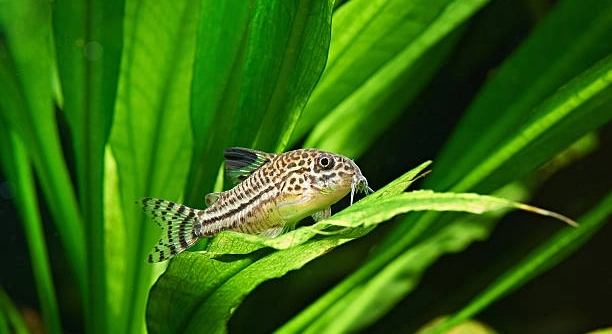
Corydoras catfish are peaceful and active creatures that can be a joy to have in your aquarium. However, when they avoid food, it can be concerning. Understanding the reasons behind this behavior can help improve their well-being.
There are several factors that can lead to Corydoras catfish avoiding food, such as stress, illness, water quality, or inappropriate tank mates. Their sensitive nature means changes in the environment or health issues can reduce their appetite significantly.
Recognizing these issues will help you provide the right care and keep your Corydoras healthy and happy in their tank.
Stress or Anxiety
Stress can cause your Corydoras to stop eating. They are sensitive to their environment, and any change, such as loud noises, bright lights, or moving objects, can make them anxious. If they feel threatened, they may hide and avoid food. Even simple things like new tank mates can stress them out. Their behavior changes when they’re not comfortable, and it can take time for them to adjust.
Sometimes, it’s not just about what’s happening right now in the tank. If the stress comes from ongoing disturbances, like tank cleaning or other fish bullying them, they might avoid food longer. Ensuring a calm, stable environment will encourage your Corydoras to feel safe and eat.
Creating a peaceful environment with dim lighting and keeping the tank free from disruptions is essential for your Corydoras to thrive. The more relaxed they feel, the more likely they are to return to their normal feeding habits.
Illness or Injury
When Corydoras catfish are sick or injured, they often stop eating. Illnesses like parasites or bacterial infections can affect their appetite. If they are injured, they may be in pain, making them less likely to seek food. Keeping an eye on their behavior can help you spot signs of illness early.
Look for symptoms like swelling, abnormal swimming, or visible wounds. If your Corydoras shows these signs, isolating them in a quarantine tank might be necessary. Treating them with the proper medication can help improve their condition and restore their eating habits.
Proper water quality and regular tank maintenance can help prevent illness. Ensure the tank is free of harmful toxins, as poor water quality can contribute to sickness. If you suspect something is wrong, addressing it quickly can help prevent long-term damage to your fish’s health.
Water Quality Issues
Corydoras are very sensitive to water conditions. If the water is too warm, cold, or polluted, they may stop eating. High ammonia levels, nitrites, and low oxygen can all make your Corydoras uncomfortable and reduce their appetite. Regular water changes are essential.
Check the water parameters frequently to ensure they’re within the ideal range. Corydoras thrive in clean, slightly acidic to neutral water with temperatures between 72°F and 79°F. Ammonia and nitrite levels should always be at zero, while nitrates should be below 40 ppm.
Investing in a quality filtration system can help keep the water clean. Additionally, make sure the tank has proper aeration to ensure oxygen levels are sufficient. Healthy water conditions are critical to keeping your Corydoras active, happy, and willing to eat.
Wrong Tank Mates
Corydoras can become stressed if they’re housed with aggressive or overly active fish. They prefer calm, peaceful companions. If other fish are competing for food or chasing your Corydoras, they may avoid eating. Always choose tank mates that match their gentle nature.
Adding aggressive fish to the tank can cause Corydoras to hide and stop eating. They may also become stressed by fish that are constantly swimming too quickly or crowding their space. Ensuring that tank mates are compatible with Corydoras helps reduce stress and keeps their feeding behavior normal.
Properly researching tank mates before introducing them to your aquarium is essential. Avoid overly territorial or large fish that may see Corydoras as competition or food. A peaceful community tank can encourage your Corydoras to feel safe and eat.
Overfeeding
Overfeeding can lead to uneaten food accumulating at the bottom of the tank. This excess food can affect water quality and contribute to stress in Corydoras. If they are constantly surrounded by leftover food, they may stop eating, as they prefer a clean, stable environment.
Feeding your Corydoras too much can also impact their health, leading to issues like bloating or poor digestion. If you notice that food isn’t being eaten within a few minutes of feeding, try offering smaller amounts more frequently to avoid overfeeding. This encourages healthy eating habits and maintains tank cleanliness.
Tank Environment
Corydoras like to feel secure in their surroundings. A tank with plenty of hiding spots, like caves or plants, will make them feel comfortable. If the environment lacks these elements, they might be too stressed to eat. Creating a well-structured environment promotes a healthy feeding routine.
FAQ
Why isn’t my Corydoras eating?
There are several reasons why your Corydoras might not be eating. It could be due to stress, illness, poor water quality, or unsuitable tank mates. It’s important to examine their behavior and environment closely. Look for signs of discomfort, such as hiding or swimming oddly. Also, check the water parameters to ensure everything is in balance. If they are healthy and the environment is stable, they should return to eating normally.
How do I know if my Corydoras is stressed?
Stress in Corydoras can be indicated by hiding more often than usual, a lack of appetite, or abnormal swimming patterns. They might also stop interacting with tank mates or avoid swimming in their usual spots. Changes in water temperature, tank mates, or even the cleaning of the tank can cause stress. If you notice these signs, try to identify and fix any changes in their environment. Giving them time to adjust can help.
Can Corydoras eat too much?
Yes, Corydoras can overeat. Overfeeding leads to uneaten food accumulating in the tank, which can cause poor water quality. If you notice food left behind after feeding, it’s a sign that you are offering too much. It’s best to feed small portions, allowing the Corydoras to eat everything within a few minutes. You can feed them twice a day if necessary, but always be mindful of the amount.
What is the best water temperature for Corydoras?
Corydoras thrive in water temperatures between 72°F and 79°F (22°C to 26°C). If the water is too cold or too warm, they may become stressed and lose their appetite. Use a reliable aquarium heater to maintain a stable temperature. It’s also essential to avoid sudden temperature changes, as they can cause additional stress to your fish.
Why are my Corydoras staying on the bottom of the tank?
Corydoras are bottom-dwelling fish, so it’s normal for them to spend most of their time at the bottom of the tank. However, if they’re constantly staying at the bottom and not moving around, it could indicate an issue with water quality or stress. Check the water parameters and make sure the tank is clean. If your Corydoras are staying at the bottom due to illness, look for other signs such as swollen body parts, difficulty swimming, or lethargy.
Should I quarantine a Corydoras that isn’t eating?
Yes, quarantining a Corydoras that isn’t eating can help isolate the problem. If you suspect illness or injury, it’s a good idea to separate the fish to avoid spreading potential diseases. You can also closely monitor the water conditions in a quarantine tank to ensure they are optimal for recovery. Providing a stress-free environment in the quarantine tank can help your Corydoras regain its appetite.
Can poor water quality cause Corydoras to stop eating?
Absolutely. Poor water quality is one of the most common reasons Corydoras stop eating. High ammonia, nitrite, or nitrate levels, or low oxygen, can all contribute to your fish avoiding food. Regular water changes and ensuring proper filtration can improve water quality. Test the water regularly to keep track of the ammonia, nitrite, and nitrate levels. Make sure they stay at safe levels for your Corydoras.
How often should I feed Corydoras?
You should feed your Corydoras once or twice a day, offering only as much food as they can consume in 3-5 minutes. Overfeeding can lead to uneaten food building up in the tank, which can affect water quality. It’s better to feed them smaller, more frequent meals rather than a large amount at once.
What should I feed my Corydoras?
Corydoras are omnivores and enjoy a varied diet. Offer them high-quality sinking pellets or tablets designed for bottom feeders. Supplement their diet with live or frozen foods such as bloodworms, brine shrimp, or daphnia. You can also add small amounts of vegetables like blanched spinach or zucchini. It’s essential to give them a balanced diet to keep them healthy.
Why does my Corydoras eat only at night?
Corydoras are nocturnal by nature, so it’s common for them to be more active during the night. If your Corydoras isn’t eating during the day, it might be waiting for the lights to dim. You can try feeding them in the evening or just before the lights go off. This might help them feel more comfortable eating when they are naturally more active.
Do Corydoras need tank mates?
Corydoras do best in groups, as they are social fish. Keeping at least three or more Corydoras in the same tank can help reduce stress and encourage natural behaviors. They feel more secure in groups, and it can also help stimulate feeding, as they might feel more comfortable eating with their own kind. However, be sure to pair them with peaceful fish to avoid stress from more aggressive tank mates.
Can Corydoras live alone?
While Corydoras can survive alone, they are more likely to thrive when kept in groups. These fish are social and feel more secure when surrounded by others of their kind. If possible, it’s better to keep at least two or three Corydoras together. This will help them feel safer and more confident, especially when feeding.
What should I do if my Corydoras is injured?
If your Corydoras is injured, it’s important to isolate it from the rest of the tank to prevent further harm. Check for any visible wounds or signs of infection. You may need to treat the injury with a fish-safe antiseptic or antibiotic. Ensure the water quality is optimal and provide a stress-free environment for recovery. In some cases, a quarantine tank is necessary to help the healing process.
Final Thoughts
Corydoras catfish are generally peaceful and easy to care for, but they can sometimes stop eating due to stress, poor water quality, or unsuitable tank conditions. It’s important to maintain a clean tank with stable water parameters, as this plays a huge role in their health. Regular water changes, proper filtration, and checking for ammonia or nitrate buildup can prevent many common issues. Additionally, consider the compatibility of tank mates and provide a calm, stress-free environment for your Corydoras.
Monitoring your Corydoras’ behavior can also help you catch problems early. If you notice them hiding more than usual, swimming erratically, or avoiding food, it’s essential to investigate the cause. Stress from aggressive fish, sudden changes in water temperature, or overcrowding can lead to a lack of appetite. By observing their activity and environment closely, you can pinpoint the issue and take action to resolve it. Patience is key in these situations, as it may take a little time for your fish to adjust.
Lastly, make sure you’re feeding them a balanced diet. Corydoras are omnivores, and they enjoy a mix of sinking pellets, live or frozen foods, and occasional vegetables. Overfeeding or underfeeding can cause problems, so it’s important to offer the right amount of food and clean up any leftovers to maintain a healthy tank. When your Corydoras feel secure, comfortable, and well-fed, they are more likely to eat regularly and thrive. Keep an eye on their needs, and they should continue to be a peaceful and active part of your aquarium.

Hello,
If you enjoy the content that we create, please consider saying a "Thank You!" by leaving a tip.
Every little bit helps us continue crafting quality advice that supports the health, happiness, and well-being of pets around the world, for pets of all shapes, sizes, and species.
We really appreciate the kindness and support that you show us!