
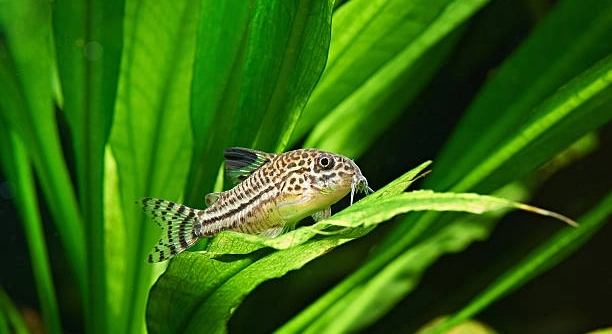
Do your Corydoras often seem stressed or end up with torn fins after sharing space with other fish in the tank?
The best way to prevent Corydoras catfish from getting injured is by creating a peaceful tank environment with soft substrate, proper tank mates, and plenty of hiding spots. These steps reduce stress and physical harm significantly.
A few thoughtful changes can make a big difference in how safe and comfortable your Corydoras feel in their home.
Choose Peaceful Tank Mates
Corydoras are gentle fish that do best with calm and non-aggressive tank mates. When placed with fish that chase, nip, or dominate space, they become stressed and more likely to get hurt. Avoid aggressive species like cichlids or fin-nippers such as tiger barbs. Instead, go for community-friendly options like neon tetras, rasboras, or other peaceful bottom dwellers. These fish will not compete harshly for food or territory, giving Corydoras the chance to thrive. Always consider each fish’s adult size, behavior, and space needs before adding them to the tank. A mismatched community can lead to injuries and tension in the water. Choose tank mates that match the calm nature of Corydoras, and you’ll see a more balanced and peaceful environment.
Tank aggression is one of the most common reasons Corydoras get injured, especially around the fins and barbels.
Introducing fish gradually and observing their behavior during feeding time can also help spot issues early.
Use Soft, Sandy Substrate
Rough or sharp substrates can damage the delicate barbels on a Corydoras catfish. Their barbels are essential for sensing food along the bottom, and if these get injured, it can lead to infection or feeding problems. Gravel with sharp edges or larger chunks is not ideal. Instead, use fine sand that feels smooth to the touch. Pool filter sand or aquarium-grade sand is gentle and allows Corydoras to dig and explore without hurting themselves. A soft substrate also mimics their natural habitat, supporting healthier behavior. Over time, this simple change in substrate can prevent injury and improve your fish’s overall health.
Fine sand helps keep barbels intact and reduces the risk of infection from tiny cuts or scrapes.
In tanks with rough gravel, Corydoras often show signs of wear or even missing barbels. These injuries are preventable with the right substrate. Sand also makes cleanup easier, as waste stays on the surface for easier removal. This reduces the risk of bacteria buildup and helps maintain cleaner water. Clean sand with regular gentle siphoning during water changes to avoid compaction or buildup of waste below the surface. When the bottom of the tank is safe and soft, your Corydoras will spend more time foraging and less time hiding or stressed.
Keep the Water Clean and Stable
Dirty or unstable water conditions can weaken Corydoras and make them more likely to get injured. Ammonia spikes, high nitrates, and sudden pH changes put extra stress on their immune system and overall health.
Perform weekly water changes of about 25–30% and monitor water parameters regularly using a liquid test kit. Keep ammonia and nitrites at zero, and nitrates under 20 ppm. Stable pH and temperature are also important, so avoid sudden changes when adding new water. A gentle filter with good biological media will help support a healthy balance in the tank. Clean the filter monthly, but avoid rinsing it in tap water, as this removes beneficial bacteria. Keeping the water clean not only reduces stress but also prevents secondary infections that can result from minor injuries. Healthy water equals healthier, safer fish that are less likely to be affected by small scrapes or bumps.
Even small injuries can become worse in poor water. Corydoras often rest along the bottom, where debris collects. If waste builds up and water quality drops, wounds won’t heal well. You might notice redness, inflamed fins, or white patches. These are signs something is off. Clean water helps keep your fish strong and their skin intact. It also encourages normal activity, like schooling and foraging. A clean tank creates a safer space, especially for bottom dwellers like Corydoras.
Limit Sharp or Rough Decorations
Corydoras often swim along surfaces and squeeze into small spaces, which makes them more likely to bump into decorations. Sharp rocks or rough-edged ornaments can cause scratches, fin tears, or even barbel damage. Stick to smooth decorations or those made for aquarium use.
Choose natural-looking decor made of soft plastic or smooth resin. Avoid jagged rocks, broken ceramic pieces, or driftwood with splinters. When placing items, make sure there are no tight spots where a Corydoras could get stuck or scraped. If using rocks, file down sharp edges or place soft moss around them. Artificial plants should have silk leaves rather than plastic, which can catch and tear fins. Even some fake caves have rough seams—run your finger over each item before putting it in the tank. Creating a safe environment doesn’t mean losing visual interest; it just means thinking about how your fish will move through and around those objects.
Avoid Overcrowding the Tank
Too many fish in one tank leads to competition for space and resources, which can stress Corydoras and increase the chance of injury. Overcrowding also makes it harder to keep water clean and oxygen levels stable.
A larger tank gives Corydoras more room to swim and avoid conflict. Stick to the recommended inch-per-gallon rule and consider each species’ activity level.
Provide Plenty of Hiding Spots
Corydoras need places to rest and feel secure, especially when startled or tired. Without hiding spots, they may panic and injure themselves while trying to escape. Use decorations like caves, plants, or driftwood to give them safe places to retreat.
Feed Properly and Gently
Corydoras are bottom feeders, so food must reach the tank floor. Fast-eating top swimmers can outcompete them, leaving them hungry and weak. Use sinking pellets or wafers designed for bottom dwellers. Feed in low-flow areas where food won’t drift away.
Handle with Care
Netting or moving Corydoras roughly can cause injuries to their fins or barbels. Use soft, fine nets and gentle hands when necessary.
FAQ
How do I know if my Corydoras is injured?
Injured Corydoras may show visible signs such as torn fins, damaged barbels, redness, swelling, or white patches on the skin. They may also swim differently, avoiding certain areas or staying near the bottom. If you notice your Corydoras behaving unusually, it’s important to check for physical injuries and assess the tank environment for stress factors. Minor injuries can often heal on their own, but if the wound becomes infected or the fish is constantly hiding, it might need extra care or medication.
What’s the best way to treat an injured Corydoras?
The best way to treat an injured Corydoras is by first addressing the water quality. Clean water supports healing and reduces the risk of infection. If the injury is mild, simply maintaining stable conditions may be enough for recovery. For more serious wounds, you can add aquarium salt to help with healing. Infected wounds may require antibiotic treatment, but it’s important to isolate the injured fish if possible to prevent further injury from tankmates. Keep an eye on the fish, as its behavior can tell you if the injury is healing or worsening.
Can Corydoras get injured by other fish?
Yes, Corydoras can be injured by aggressive tank mates. Fish that chase, nip, or compete for food can harm them. Corydoras are peaceful bottom dwellers, and when placed with aggressive species, they can become stressed, leading to physical damage. Some species, like cichlids, can also directly attack Corydoras, biting at their fins or barbels. It’s essential to choose tank mates carefully to avoid conflicts and ensure a safe environment.
How do I prevent my Corydoras from being injured during water changes?
Water changes are vital for maintaining a healthy tank, but they can be stressful for Corydoras if not done carefully. Avoid sudden temperature or water chemistry changes, which can shock the fish. Make sure to remove debris gently from the substrate without disturbing your Corydoras too much. When using a siphon, do it slowly to avoid hurting any fish, especially those at the bottom. Always ensure the water you add is close to the tank’s current temperature and pH to minimize stress.
What can I do if my Corydoras has lost a barb?
If your Corydoras has lost a barb, don’t panic. These fish can usually heal well, but the loss of a barb can make feeding more difficult, as they rely on their barbels to detect food. Providing them with easily accessible food at the bottom of the tank is important. You can add sinking pellets or wafers that reach the floor without needing the fish to search too hard. Avoid placing the fish with aggressive tank mates that might make it harder for them to eat or heal.
Is it normal for Corydoras to have their barbels damaged?
Barbel damage is relatively common, especially in tanks with rough substrate or aggressive tank mates. The barbels are quite delicate, and if they are damaged, it can affect the fish’s ability to sense food. Barbels may grow back over time if the injury is not too severe, but recovery can take a few weeks. Make sure to avoid further damage by creating a safer environment with soft substrate and peaceful tank mates.
How can I prevent injuries to Corydoras during tank cleaning?
When cleaning your tank, try to disturb the bottom as little as possible to avoid stressing your Corydoras. They are bottom dwellers and might be hiding or resting during your cleaning session. Use a gentle siphon and avoid stirring up the substrate too aggressively. Additionally, check that decorations or rocks are secure and won’t shift, which could lead to injury. Perform regular but gentle cleanings, ensuring not to disrupt your fish’s peaceful environment.
What are the signs of stress in Corydoras?
Stress in Corydoras can be shown through several behaviors, such as staying near the bottom of the tank for extended periods, hiding more than usual, or swimming erratically. They may also lose interest in food or stop foraging. If Corydoras are stressed by poor water quality, aggressive tank mates, or sudden environmental changes, they might develop injuries or become more susceptible to disease. Keeping an eye on their behavior can help you identify and address stressors before they lead to injury.
Can Corydoras be injured by substrate?
Yes, Corydoras can be injured by rough or sharp substrate. Their sensitive barbels are prone to damage when they come into contact with rough gravel, rocks, or jagged edges. To prevent this, use fine, soft sand that is gentle on their barbels and fins. Smooth gravel is another alternative, but avoid sharp-edged materials. A soft substrate helps Corydoras move naturally without the risk of injury. If your tank has sharp decorations, consider replacing them with softer alternatives to minimize risk.
Are Corydoras fragile fish?
Corydoras are not fragile fish, but they can be prone to injury due to their bottom-dwelling nature. They are relatively hardy when kept in appropriate conditions, with proper water quality, substrate, and tank mates. However, their sensitive barbels and fins make them vulnerable to injuries caused by rough decorations, aggressive fish, or poor tank conditions. With the right setup, Corydoras can live a long, healthy life without frequent injuries. Providing a peaceful and safe environment is key to preventing harm.
Final Thoughts
Corydoras catfish are wonderful, peaceful additions to any tank, but like any fish, they require a safe and stable environment to thrive. Preventing injuries in these delicate fish can be simple if you pay attention to the tank setup and care routines. By providing soft substrate, choosing peaceful tank mates, and ensuring good water quality, you create an environment where your Corydoras can feel secure and happy. When these basic needs are met, Corydoras are less likely to experience stress or injuries, and their natural behaviors, like foraging and exploring, can take center stage.
Caring for Corydoras means understanding their specific needs. They are bottom dwellers, which makes them especially sensitive to sharp decorations, rough substrate, and aggressive fish. Creating a tank where they can move freely without fear of harm is essential. When you provide hiding spots, use smooth substrates, and maintain a stress-free atmosphere, you will not only prevent injuries but also improve their overall well-being. These fish are hardy but rely on consistent care and attention to their surroundings to avoid health problems or accidents.
Ultimately, the key to keeping Corydoras safe and healthy lies in simple, thoughtful choices. Take the time to check your water quality regularly, choose gentle tank mates, and offer soft surfaces for them to explore. With these precautions, you can enjoy watching your Corydoras swim and interact with their environment without worrying about them getting hurt. Healthy Corydoras are happy Corydoras, and your tank will be more lively with these gentle bottom dwellers thriving in it.

Hello,
If you enjoy the content that we create, please consider saying a "Thank You!" by leaving a tip.
Every little bit helps us continue crafting quality advice that supports the health, happiness, and well-being of pets around the world, for pets of all shapes, sizes, and species.
We really appreciate the kindness and support that you show us!