
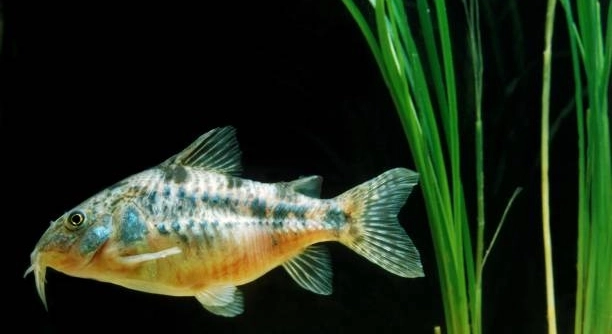
Corydoras catfish are known for their peaceful nature, but sometimes their behavior can change unexpectedly. If you’ve noticed your fish acting more territorial, there could be several factors at play affecting its usual demeanor.
Increased territorial behavior in Corydoras catfish is often caused by stressors such as overcrowding, poor water conditions, or the presence of other dominant fish. Territoriality may also be linked to spawning instincts or limited space within the tank.
Identifying the cause behind your catfish’s behavior is crucial for restoring balance in your tank. With a few adjustments to their environment, you can help your Corydoras feel more comfortable and less defensive.
Overcrowding in the Tank
When there are too many fish in a tank, it can lead to stress for your Corydoras. They prefer having enough space to swim around and explore. In crowded conditions, they may feel threatened and start claiming areas as their own. This behavior is often a sign they are looking for a spot where they can feel safe.
Overcrowding can cause territorial disputes among fish, which may make your Corydoras act more defensively. They might start to chase other fish away or hide in corners. In tanks with limited space, the competition for food and hiding spots increases, leading to stress.
The solution is simple: reduce the number of fish or upgrade to a larger tank. By giving your Corydoras more space, you help prevent them from feeling cramped and territorial. Make sure to provide plenty of hiding spots and plants to keep the environment peaceful.
Poor Water Conditions
Water quality plays a major role in your fish’s health and behavior. If the water is too dirty or improperly filtered, Corydoras may become stressed and territorial. Clean water is essential for their well-being.
Dirty water can lead to skin irritation, poor breathing, and increased aggression. Corydoras are bottom dwellers, so they rely on clear water to stay healthy. When the water gets murky or polluted, they may become more defensive of their space, trying to protect themselves from potential harm.
Regular water changes and maintaining a proper filtration system can make a huge difference. Make sure to test the water regularly to ensure it stays within the right pH, temperature, and nitrate levels. With proper care, your Corydoras will feel more comfortable and less likely to act territorial.
Presence of Dominant Fish
Dominant fish can make your Corydoras catfish more territorial. Fish like cichlids or larger species can intimidate smaller fish, causing them to claim specific areas in the tank. Corydoras may feel threatened and react by defending their territory.
If more aggressive fish are present, Corydoras might retreat to secluded spots, hiding and guarding areas where they feel safe. They may become more territorial as a defense mechanism, trying to establish boundaries. This behavior is a direct response to perceived threats and can escalate if the dominant fish persist.
To reduce territorial behavior, consider adding more hiding spaces, such as caves or plants, where your Corydoras can feel secure. Additionally, separating aggressive species from the tank can help lower stress. When the environment is calmer, Corydoras can return to their usual peaceful behavior.
Spawning Behavior
When Corydoras catfish are ready to spawn, their behavior often changes. During this time, they can become more territorial, especially if there are other fish around. Males will guard the female and the chosen spawning site, which can make them act more defensively.
Spawning is a natural trigger for territoriality in Corydoras. The males may chase off other fish or try to establish dominance over specific areas. This behavior is common in breeding seasons, as they focus on protecting the eggs or the potential spawning site.
To prevent stress, provide a dedicated space in the tank for the breeding process. This could be a separate breeding area or extra plants and hiding spots to give the fish privacy. Keeping the water quality high will also help reduce the overall stress during breeding periods, ensuring a smooth process for your Corydoras.
Inadequate Tank Size
A small tank can cause your Corydoras catfish to feel confined, making them more likely to claim territory. When they don’t have enough room to swim, they might feel the need to protect certain areas. This territorial behavior is a sign that the tank size is insufficient.
Corydoras are bottom dwellers, which means they need a tank with enough substrate space to explore and find food. In a cramped environment, they become stressed, leading to more territorial behavior. The stress can also affect their health, making it essential to ensure your tank is the right size.
The solution is to increase the tank size or reduce the number of fish. This allows your Corydoras to spread out, interact more calmly, and avoid territorial disputes. A more spacious tank reduces stress and helps maintain a peaceful environment for all your fish.
Aggressive or Stressful Lighting
Lighting in the tank can also influence your Corydoras’ behavior. Bright, constant lights can stress them out and make them feel vulnerable. If your Corydoras are exposed to harsh lighting, they may seek shelter and act more territorial as a defense mechanism.
Ensure that your aquarium light is set to a natural cycle with dimmer lighting to mimic their natural habitat. Avoid leaving the lights on too long or using overly bright lights. A more subdued lighting setup will help reduce stress and prevent your Corydoras from becoming too territorial or defensive.
Poor Tankmates
Choosing the wrong tankmates can create tension in your aquarium. Fish that are too aggressive or overly active might provoke stress, making your Corydoras feel the need to defend their space. This is especially true if the tankmates are much larger or faster.
It’s important to select peaceful, slow-moving fish that won’t threaten your Corydoras. Avoid placing them with species that are known to be territorial or aggressive. Ensuring harmony among your tankmates will help reduce the chances of territorial behavior in your Corydoras.
FAQ
Why is my Corydoras acting aggressively?
Corydoras are generally peaceful fish, but aggression can occur due to stress. If your fish are acting aggressively, it could be because of overcrowding, poor water conditions, or the presence of more dominant fish. Another reason could be that they are feeling threatened by their tankmates or the lack of hiding spots. Also, during spawning, Corydoras can become territorial, with males guarding females or eggs.
How can I stop my Corydoras from being territorial?
The best way to reduce territorial behavior in Corydoras is by providing more space and hiding spots. Ensure your tank is large enough for them to swim freely and offer areas where they can retreat if needed, like caves or dense plants. Keeping water quality high is also crucial. If possible, remove aggressive tankmates and avoid overcrowding. Lastly, a calm lighting environment can also help reduce stress and territorial tendencies.
What is the ideal tank size for Corydoras catfish?
Corydoras need a tank with enough space to explore and swim around. A 20-gallon tank is a good starting point for a small group of Corydoras. If you have more fish in the tank, you may need a larger tank to prevent overcrowding. A spacious tank helps keep your fish happy and reduces territorial behavior.
Can Corydoras live with other fish?
Yes, Corydoras are peaceful and can generally live with other non-aggressive fish. However, it’s important to choose tankmates wisely. Avoid aggressive or fast-moving fish that might intimidate your Corydoras. Species like tetras, guppies, or peaceful livebearers make good companions for Corydoras. Also, avoid keeping them with fish that are too large and might pose a threat.
How do I know if my Corydoras are stressed?
Stress in Corydoras can manifest in different ways. If they are hiding more often, swimming erratically, or displaying aggressive territorial behavior, they may be stressed. Other signs include faded colors, loss of appetite, and labored breathing. If these symptoms appear, it’s important to check water quality, tankmates, and the overall environment.
How often should I change the water for my Corydoras tank?
Regular water changes are essential for keeping your Corydoras healthy. It’s recommended to change 20-30% of the water weekly, especially in smaller tanks. This helps remove toxins and maintain good water quality. In larger tanks or well-established aquariums with proper filtration, you may be able to reduce the frequency of changes but should still monitor water parameters regularly.
Can Corydoras catfish live with other bottom dwellers?
Corydoras are peaceful and typically get along with other bottom dwellers, as long as their tankmates are not aggressive. Fish like loaches or other small, non-territorial species can co-exist with Corydoras. However, avoid overcrowding or placing fish with similar needs in the same tank, as competition for space and food can lead to stress.
Why do my Corydoras keep swimming to the surface?
If your Corydoras are swimming to the surface more often than usual, it could indicate an issue with water quality, such as low oxygen levels or high ammonia. Corydoras do naturally gulp air at the surface, but if this behavior becomes frequent or extreme, it’s a sign something is wrong. Check the water parameters and ensure proper filtration.
Do Corydoras need a heater in their tank?
Corydoras prefer stable, warm water temperatures between 72-78°F (22-26°C). If the temperature in your home fluctuates, a heater will help maintain a consistent temperature for your fish. Sudden temperature changes can stress Corydoras, so using a reliable heater is essential for their well-being, especially if you live in a cooler climate.
Why is my Corydoras not eating?
If your Corydoras aren’t eating, it could be due to stress, poor water conditions, or an incorrect diet. Make sure the water quality is optimal and that they are not being harassed by other fish. Sometimes, Corydoras may refuse food if they don’t feel secure, so providing hiding spots and a calm environment can help. Additionally, ensure you are offering a varied diet that includes sinking pellets, live or frozen food, and occasionally some plants.
Do Corydoras catfish need a lot of light?
Corydoras don’t require intense lighting. In fact, bright lighting can cause stress. A dim or moderate light, mimicking their natural habitat, is ideal. They are bottom dwellers and tend to thrive in environments that have areas of shade or dim lighting. A consistent day/night cycle with a 10-12 hour light period is enough for them to feel comfortable.
How do I breed Corydoras catfish?
To breed Corydoras, you’ll need to mimic their natural breeding conditions. Begin by ensuring the water is clean, soft, and slightly acidic, with a temperature of 72-78°F (22-26°C). Add a small group of Corydoras, preferably a mix of males and females. When the conditions are right, males will chase females, and the pair will lay eggs in sheltered areas. After spawning, remove the adults to protect the eggs from being eaten.
Are Corydoras catfish social fish?
Yes, Corydoras are social fish that prefer living in groups. They feel more secure when kept in groups of at least 3-5, as they are naturally schooling fish. A group allows them to interact and reduces stress, leading to healthier and more active fish. Keeping them alone can cause them to feel vulnerable, leading to more territorial behavior.
How long do Corydoras catfish live?
Corydoras catfish typically live for 5-10 years if they are well cared for. Providing proper water conditions, a balanced diet, and a peaceful environment can help them live longer. Some species of Corydoras may live even longer, while others might have slightly shorter lifespans depending on their care.
Final Thoughts
Understanding why your Corydoras catfish may be acting more territorial is key to creating a peaceful and healthy environment for them. These fish are generally calm and social, but certain factors can trigger territorial behavior. Overcrowding, poor water conditions, the presence of dominant tankmates, and even breeding instincts can all contribute to your fish becoming more defensive. By paying attention to these potential causes, you can address the issue and restore balance in your tank.
The good news is that resolving territorial behavior in Corydoras doesn’t always require drastic changes. Sometimes, simple adjustments, like increasing tank space, adding hiding spots, or improving water quality, can make a significant difference. Providing a calm environment with proper lighting and selecting the right tankmates will also help reduce stress. The more comfortable your Corydoras feel in their surroundings, the less likely they are to act territorially.
Corydoras are fascinating and peaceful fish that thrive in a well-maintained tank. With a little care and attention to their environment, you can help them live a happy and stress-free life. Regular tank maintenance, water testing, and monitoring their behavior will ensure that your Corydoras remain healthy and content. By understanding their needs and making small changes, you can enjoy the peaceful presence of these charming fish for many years to come.

Hello,
If you enjoy the content that we create, please consider saying a "Thank You!" by leaving a tip.
Every little bit helps us continue crafting quality advice that supports the health, happiness, and well-being of pets around the world, for pets of all shapes, sizes, and species.
We really appreciate the kindness and support that you show us!