
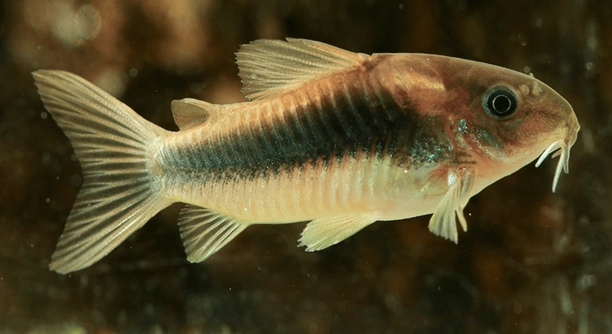
Corydoras catfish are peaceful, bottom-dwelling fish that often thrive in community tanks. However, it’s important to know whether they get along with other bottom dwellers in the tank. Understanding their behavior can help maintain harmony.
Corydoras catfish generally get along well with other bottom dwellers due to their calm and non-aggressive nature. However, monitoring their interactions is essential. Signs of stress or aggression, such as chasing or fin nipping, should be addressed promptly.
Keeping an eye on these clues can help ensure your corydoras are comfortable with their tank mates.
How to Tell if Your Corydoras Catfish Is Stressed by Other Bottom Dwellers
Corydoras catfish are generally peaceful and easy-going, but stress can arise when they feel threatened or crowded by other bottom-dwelling species. Signs of stress may include hiding more often, reduced activity, or erratic swimming. It’s important to regularly observe your corydoras to make sure they aren’t feeling overwhelmed. Compatibility with other bottom dwellers depends on tank size, the type of fish, and the amount of space available. If your corydoras is constantly darting to hiding spots or avoiding other tank mates, it’s likely feeling stressed.
If the stress continues, it’s essential to assess the overall tank environment. Corydoras may need a little extra space or changes in tank decorations to help them feel safer. Consider adding plants or rocks to give them more hiding spots. Also, ensure there are no overly aggressive fish that may provoke them.
Monitor their behavior over time. You should notice a change in their activity levels if they start feeling more at ease in their tank.
Behavioral Signs That Indicate Stress
When Corydoras experience stress, they often show certain behavioral traits. These include increased hiding, lethargy, and erratic swimming. Keep an eye on these behaviors to ensure your catfish is content.
In addition, Corydoras tend to stick together when they’re feeling vulnerable. If you notice your catfish gathering in one spot or staying close to each other, it’s likely a sign that they’re stressed. Adding more fish to the tank can help them feel secure. However, overcrowding can increase stress, so keep the tank size in mind.
How to Create a Peaceful Environment for Your Corydoras Catfish
To foster a peaceful environment, ensure your Corydoras have ample space to move around. Overcrowding can lead to territorial behavior, making it harder for them to coexist with other bottom dwellers. Proper filtration and regular water changes will also contribute to a healthier, less stressful environment. Additionally, be mindful of tank mates; avoid species that are too aggressive or dominant. Corydoras thrive in tanks with peaceful, non-threatening neighbors like tetras or other gentle bottom dwellers. By maintaining a balanced environment, you can prevent stress and encourage your Corydoras catfish to live harmoniously with other tank members.
Watch for Fin Nipping
Fin nipping is a common sign of aggression in bottom dwellers, and it can cause distress for your Corydoras catfish. If you notice torn fins or other fish picking at their fins, it’s a clear indication of conflict. Corydoras typically stay away from aggressive fish, but certain species might provoke them.
If you see fin nipping, it’s best to separate the aggressive fish from your Corydoras. Adding more hiding spots or rearranging the tank can help reduce tension. Additionally, choose tank mates that are not territorial and give enough space for everyone. Avoid fish that are overly dominant, as they may cause stress to your corydoras.
Maintaining peace in a community tank involves choosing the right fish. Ensure the tank’s space is well-utilized, and avoid stocking it with overly assertive species. Aggression, especially from larger bottom dwellers, can significantly affect the wellbeing of your Corydoras catfish.
Observe Swimming Patterns
Corydoras usually swim near the bottom of the tank and prefer staying close to the substrate. Changes in swimming patterns can indicate discomfort or stress. If they seem to be avoiding certain areas of the tank or swimming erratically, it’s a sign something may be wrong.
When Corydoras are at ease, they tend to move in slow, fluid motions, often in groups. They are peaceful and don’t engage in aggressive chasing. However, if the presence of another bottom dweller causes them to retreat or swim erratically, it may be due to the other fish’s behavior.
Understanding these subtle swimming cues can help you keep an eye on your catfish’s mental state. Observe whether their movements become more frantic or less coordinated when near other bottom dwellers. Stress can often lead to this type of change in behavior.
Check for Overcrowding
Overcrowding in a tank can cause stress for all fish, including Corydoras. If there are too many bottom dwellers in a confined space, it can lead to competition for resources and territory. This may cause aggressive interactions between fish.
When overcrowding occurs, Corydoras may feel constantly threatened. Even peaceful species can become more stressed when space is limited. Make sure to provide enough room for your corydoras and their tank mates. Proper stocking ensures that each fish can thrive without feeling overwhelmed. Reducing the number of fish can help restore balance in the tank.
Monitor Feeding Habits
Feeding habits are a great way to gauge the comfort of your Corydoras catfish. If they are not eating or seem uninterested in food, it could be a sign of stress. Additionally, if they struggle to get to the food because of competition, they may feel uneasy.
Corydoras are bottom feeders and prefer to take their time with meals. If other bottom dwellers dominate feeding times, it can cause your corydoras to feel anxious. Try offering food in multiple areas of the tank to ensure that all fish get their share, especially for shy eaters like Corydoras.
Assess Tank Layout
The layout of your tank can greatly impact how your Corydoras interact with other bottom dwellers. A well-structured tank with hiding spots and space to swim can reduce stress. Without these areas, Corydoras may feel trapped or vulnerable.
Consider adding plants, rocks, or caves to create a more natural environment. These additions provide your Corydoras with places to retreat if they feel threatened. When they have places to hide and feel secure, their chances of getting along with other fish improve significantly.
FAQ
How do I know if my Corydoras is stressed by other bottom dwellers?
Signs of stress in Corydoras can include hiding more often, reduced activity, and erratic swimming. If your catfish starts staying in one corner of the tank or avoids certain areas, it could be feeling threatened by other bottom dwellers. Pay attention to their behavior. Stress may also show up through fin damage or changes in eating habits. When stressed, Corydoras tend to be less social and may not interact with other fish as they normally would.
Can Corydoras live with other bottom-dwelling fish?
Yes, Corydoras can live with other bottom dwellers, but compatibility depends on the species. Corydoras are peaceful and can get along with many other non-aggressive bottom-dwelling fish, like peaceful catfish or shrimp. However, avoid keeping them with aggressive fish that might nip at their fins or compete aggressively for food. It’s important to ensure enough space for each fish to have its territory and access to resources.
What are the best tank mates for Corydoras?
The best tank mates for Corydoras are other peaceful species that won’t compete for food or space. Small, calm fish such as tetras, guppies, and peaceful barbs make good companions. Shrimp and snails are also excellent choices, as they won’t threaten your Corydoras. It’s important to choose fish that won’t outcompete Corydoras at feeding times or cause stress through aggression.
Can Corydoras tolerate aggressive bottom dwellers?
Corydoras do not tolerate aggressive bottom dwellers very well. If you introduce aggressive bottom-dwelling fish into the tank, your Corydoras may become stressed, hide more often, and display signs of fear. Avoid species like larger, more territorial catfish, and bottom-dwelling fish with aggressive feeding habits, as they can cause distress for your Corydoras. Always monitor interactions to make sure your catfish feel safe and secure.
How can I create a peaceful environment for my Corydoras?
To create a peaceful environment, provide enough space, hideouts, and territory for each fish. Corydoras thrive in a tank with soft substrate, plenty of plants, and areas where they can hide when feeling threatened. Avoid overcrowding and ensure that all fish in the tank are compatible. A good filtration system and clean water will also help maintain harmony. Keep an eye on the behavior of your fish to ensure they are interacting well and not causing stress for one another.
Why is my Corydoras hiding all the time?
Corydoras hiding frequently could be a sign of stress, especially if they are hiding more than usual. If they are staying hidden for long periods, it could be due to aggression from other tank mates, overcrowding, or changes in water quality. Ensure that the tank is well-maintained and the water conditions are optimal. Also, check if other fish are bullying your Corydoras. Providing hiding spots and a peaceful environment can encourage them to feel safer and more active.
How much space do Corydoras need in a tank?
Corydoras catfish need enough space to swim and explore comfortably. A good rule of thumb is to provide at least 10 gallons of water for a small group of Corydoras. If you plan to keep multiple bottom dwellers, make sure the tank is large enough to accommodate them without overcrowding. Overcrowding can lead to stress and territorial disputes, so be mindful of the number of fish you add to your tank.
Can Corydoras get along with shrimp?
Yes, Corydoras generally get along with shrimp, especially if the shrimp are not large or aggressive. Shrimp species like Amano or Cherry shrimp can coexist peacefully with Corydoras, as they usually stay out of the way of the catfish. However, be cautious with larger shrimp species, as they might compete for food or act aggressively towards smaller Corydoras. Always observe their behavior to make sure they are interacting peacefully.
What should I do if my Corydoras is getting bullied by other fish?
If your Corydoras is being bullied by other fish, consider removing the aggressive fish or adding more hiding spaces. Sometimes, bullying can happen when there aren’t enough hiding spots or the tank is too small. Rearranging the tank and adding plants or decorations can create more territories for the fish, reducing aggression. If bullying persists, it may be necessary to separate the aggressive fish from the Corydoras to prevent stress or injury.
How do I prevent aggression between Corydoras and other bottom dwellers?
Preventing aggression involves careful tank planning. Make sure your tank is large enough and well-stocked to avoid competition for space and food. Avoid mixing Corydoras with aggressive bottom dwellers or fish with territorial behavior. Adding more hiding spots, plants, and decorations can give each fish a safe space. Ensuring proper water conditions and maintaining regular tank maintenance will also contribute to a peaceful environment.
Final Thoughts
Corydoras catfish are generally peaceful and social creatures that can coexist with other bottom dwellers if the environment is right. Ensuring that your tank is appropriately sized, with enough space for each fish, is crucial. Overcrowding can quickly lead to stress and conflict, so always keep in mind the number of fish in your tank. Providing hiding spots and territories for each fish will reduce the chances of aggression. When each fish has their own space to thrive, Corydoras are much more likely to get along with other bottom-dwelling species.
Choosing compatible tank mates for your Corydoras is equally important. Peaceful fish like tetras, guppies, and other non-aggressive species work well with Corydoras. Avoid adding aggressive fish or those that might compete for food or space, as this can create tension and stress. Keep an eye on how your Corydoras interact with others in the tank, as any signs of bullying or stress can indicate that the environment needs to be adjusted. Monitoring their behavior closely will help you spot problems early and make necessary changes.
Creating a peaceful and stable environment for your Corydoras is key to maintaining a healthy tank. Regularly checking water quality, providing a balanced diet, and ensuring that your fish are comfortable will keep stress levels low. A well-maintained tank with plenty of space and hiding spots will allow your Corydoras and other bottom dwellers to live harmoniously. By following these steps, you can ensure that your Corydoras thrive and enjoy a peaceful coexistence with their tank mates.

Hello,
If you enjoy the content that we create, please consider saying a "Thank You!" by leaving a tip.
Every little bit helps us continue crafting quality advice that supports the health, happiness, and well-being of pets around the world, for pets of all shapes, sizes, and species.
We really appreciate the kindness and support that you show us!