
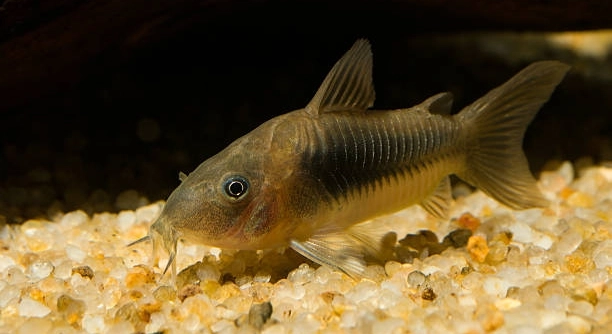
Do your Corydoras catfish seem unsettled or stressed when you clean their tank? Tank maintenance is essential, but it can sometimes disrupt their peaceful routines and affect their overall behavior and health.
The key to keeping Corydoras catfish happy during tank maintenance is minimizing stress through gentle handling, consistent water parameters, and preserving their hiding spots. These actions help maintain their natural behavior and support long-term well-being.
Maintaining a clean tank while protecting your Corydoras’ comfort takes a few thoughtful adjustments. These simple techniques can make a big difference in your fish’s health and behavior over time.
Maintain Stable Water Parameters
Keeping water parameters stable is essential for Corydoras catfish. Sudden changes in temperature, pH, or hardness can cause stress and weaken their immune system. Use a thermometer to monitor temperature, and always match new water to the existing conditions before adding it to the tank. Sudden shifts can lead to erratic swimming or loss of appetite.
Frequent, small water changes are better than large ones. Removing 20-30% of the water weekly helps maintain stability while reducing waste buildup. Always use a water conditioner to neutralize harmful chemicals in tap water.
Consistent filtration is another key factor. Make sure your filter is functioning properly and avoid deep cleaning it all at once, as this can remove beneficial bacteria. Instead, rinse filter media gently in old tank water. These small steps help ensure a stable environment, allowing your Corydoras to stay comfortable and active.
Clean Substrate Carefully
Corydoras are bottom dwellers that rely on a clean substrate to thrive. Waste and uneaten food can accumulate in the gravel or sand, leading to poor water quality. Using a gravel vacuum allows you to remove debris without disturbing beneficial bacteria or stressing your fish.
Avoid over-cleaning the substrate, as Corydoras enjoy sifting through it for food. If using sand, lightly hover the vacuum above the surface to remove debris. For gravel, gently press the vacuum into different areas to clear out waste without removing too much at once.
Maintaining a regular cleaning routine prevents harmful ammonia spikes while preserving the natural balance of the tank. Spacing out deep cleanings and focusing on small sections at a time helps minimize disruption. This approach keeps your Corydoras’ environment healthy while allowing them to exhibit their natural foraging behavior.
Avoid Sudden Movements
Corydoras catfish are sensitive to sudden motions during tank maintenance. Quick hand movements, sudden splashes, or abrupt changes in their environment can startle them and cause unnecessary stress. Move slowly and gently to help them feel secure and undisturbed.
When reaching into the tank, approach from the side rather than the top. This reduces the chances of startling them, as overhead movements can mimic predator behavior. Avoid removing large decorations or drastically changing their layout unless absolutely necessary. If you need to move something, do it gradually. Turn off bright lights during cleaning to lower stress levels. Keeping a calm presence around the tank helps them stay relaxed while you work.
Use tools with soft edges and smooth movements. Even a gentle siphon can be stressful if moved too quickly or directed too forcefully near the fish. Let them move away on their own rather than trying to guide or corner them.
Preserve Hiding Spots
Corydoras feel safer when they have places to hide. During tank maintenance, it’s important not to remove all of their shelters at once. Keep at least one hiding spot in place while you clean the others.
Whether it’s a cave, driftwood, or a dense plant cluster, these hiding spots give your catfish a sense of safety during disruptions. Try rotating which areas you clean so that they always have a familiar refuge nearby. If you do remove decorations, place them back quickly and in a similar position. Rearranging their space too much can make them anxious or overly shy. When hiding places remain intact, Corydoras are more likely to stay active and comfortable, even during tank cleaning sessions. Maintaining this consistency supports their natural behaviors and lowers the chance of stress-related illness.
Use Gentle Tools
Choose tools that are soft and easy to control. Avoid sharp edges or strong suction near your Corydoras. A slow-moving siphon or sponge can do the job without causing a panic or injury.
If using a net, opt for a soft mesh material. Rough textures can damage their delicate barbels or fins.
Limit Feeding Right Before Cleaning
Feeding right before maintenance can lead to leftover food getting stirred into the water, creating a mess. It’s better to feed a few hours after cleaning. This keeps the water clearer and gives your Corydoras time to settle down. Feeding when things are calm helps them eat in peace and reduces stress.
Observe Their Behavior
Watch how your Corydoras act after cleaning. If they seem stressed, try shortening your next session. Small adjustments can help you keep their environment comfortable.
FAQ
How often should I do tank maintenance for Corydoras catfish?
Weekly maintenance is ideal for Corydoras catfish. This includes a 20–30% water change, substrate cleaning, and checking filter performance. Doing this regularly helps keep the water clean and prevents ammonia buildup. It also supports the overall health and stability of their environment. Keeping a routine helps avoid major issues.
Can I leave my Corydoras in the tank while cleaning?
Yes, it’s best to leave them in the tank. Corydoras handle maintenance better when they stay in their familiar space. Removing them adds unnecessary stress. Just make sure to move slowly, avoid loud noises, and give them places to hide. This helps them feel secure during the process.
Should I clean all the decorations and plants at once?
No, it’s better to clean decorations and plants in stages. Corydoras rely on familiar objects for safety and comfort. Removing everything at once can be overwhelming. Try cleaning half one week and the rest another time. This keeps their surroundings stable and reduces their stress levels significantly.
Do Corydoras react differently to cleaning than other fish?
Yes, they are more sensitive to disturbances, especially on the tank floor. Sudden vibrations, quick substrate movements, or shifting their hiding spots can make them anxious. They may scatter, hide more, or stop eating for a while. Using gentle cleaning methods is important to keep them comfortable.
Is it safe to vacuum sand where Corydoras live?
Yes, but use a light touch. Corydoras like to sift through sand, so avoid deep vacuuming. Hover the siphon just above the surface to remove debris without disturbing their feeding zones. Keeping the sand clean without removing too much at once supports their natural behavior.
What’s the best way to clean a filter without upsetting my Corydoras?
Rinse the filter media in old tank water during a water change. Avoid using tap water, which can kill helpful bacteria. Only clean the filter about once a month or when water flow is reduced. This method keeps water quality stable and reduces stress for your Corydoras.
How can I tell if my Corydoras are stressed after cleaning?
Signs of stress include hiding more than usual, erratic swimming, or refusing food. If you notice these behaviors, try making future cleaning sessions shorter and quieter. Keeping some decorations in place and avoiding rapid changes can help your Corydoras feel more at ease.
Should I remove fish waste every day?
Daily waste removal isn’t necessary unless the tank is overcrowded. Once or twice a week is enough for most setups. Use a turkey baster or small siphon for spot cleaning if needed. Keeping the substrate clean supports healthy water and helps prevent health issues over time.
Can I clean the tank right after feeding Corydoras?
It’s best to wait at least an hour after feeding. This gives them time to finish eating and keeps uneaten food from getting stirred into the water. Cleaning too soon after feeding can also make it harder to remove waste effectively.
Do Corydoras appreciate routine during cleaning?
Yes, they thrive on consistency. Try to clean at the same time and in the same way each week. Avoid switching tools or moving decorations drastically. Familiar routines make cleaning feel less disruptive and help your Corydoras stay calm during each session.
Final Thoughts
Keeping your Corydoras catfish happy during tank maintenance is not difficult when you focus on consistency and gentle handling. These fish are peaceful and sensitive, so creating a calm environment while cleaning is important. Using soft tools, working slowly, and avoiding sudden changes can make a big difference. Even small steps, like waiting to feed until after maintenance or leaving their hiding places untouched, help reduce stress and keep them feeling secure. These habits are simple to follow and create a stable, peaceful space for your fish.
Routine matters more than perfection. Sticking to a regular schedule helps your Corydoras know what to expect, and that familiarity keeps them calm. It also keeps water parameters in balance, which lowers the risk of health problems. Observing your Corydoras after each cleaning can give you helpful feedback. If they hide less, eat well, and explore normally, then your approach is likely working. If they seem uneasy, making small changes—like cleaning less aggressively or shortening the session—can help.
Tank maintenance is a normal part of fishkeeping, and it doesn’t have to cause disruption. By paying attention to your Corydoras’ behavior and responding with care, you can meet their needs while keeping the tank clean. These fish may be small, but they rely on stable routines and gentle care. With a little thought and patience, it’s easy to keep them comfortable. Small changes in how you clean and how often you interact with the tank can make a big impact on their well-being.

Hello,
If you enjoy the content that we create, please consider saying a "Thank You!" by leaving a tip.
Every little bit helps us continue crafting quality advice that supports the health, happiness, and well-being of pets around the world, for pets of all shapes, sizes, and species.
We really appreciate the kindness and support that you show us!