
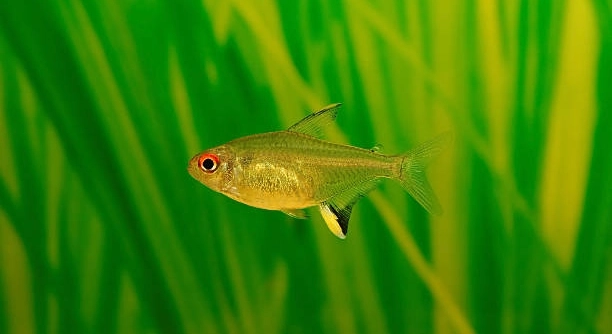
Lemon tetras are small, vibrant fish often found in community aquariums. They usually swim calmly in groups, creating a peaceful and colorful display that many fish keepers enjoy observing every day.
The most common reason only one lemon tetra is swimming faster than the others is due to differences in health, stress levels, or individual temperament. Some fish are naturally more active or react to environmental stimuli more quickly.
Observing this behavior closely can reveal important insights about their environment and interactions with other fish in the tank.
Understanding Lemon Tetra Behavior
Lemon tetras are naturally active fish, but their swimming patterns can vary significantly within the same tank. Individual temperament plays a big role, as some fish are more energetic than others. Factors like age and size also influence swimming speed, with younger or smaller fish often moving faster. Environmental conditions such as water temperature, current, and tank size directly impact how a fish swims. If the tank is crowded or has strong currents, some tetras may hide or swim more slowly to conserve energy. Diet and nutrition are another key factor. Well-fed fish with balanced nutrients tend to be more active, while underfed or malnourished fish may appear sluggish. Stress from nearby tankmates, sudden changes in lighting, or noise can cause certain fish to dart around unpredictably. Observing your lemon tetras regularly helps identify patterns and understand which factors are influencing each fish’s activity levels.
Individual differences among lemon tetras are normal and often harmless, but consistent observation helps ensure their well-being.
Swimming speed can reflect overall health, tank conditions, and how each fish interacts with its environment, offering insight into their daily behavior.
Health and Environmental Influences
Minor illnesses or parasites can make some fish swim faster or more erratically than others.
Water quality is crucial for lemon tetras. Poor water conditions can lead to stress, infections, and abnormal behavior. Parameters like pH, ammonia, nitrite, and nitrate levels should be checked regularly. Temperature stability is equally important, as sudden changes can cause fish to overreact or hide. Even subtle environmental factors, like lighting intensity or decorations placement, influence movement patterns. A fish that swims faster than its peers may be responding to perceived threats, exploring new territory, or simply displaying natural energy differences. Nutrition also plays a role; high-protein diets can increase activity, while deficiencies may slow movement. Monitoring how individual tetras react to these conditions helps pinpoint causes of unusual swimming behavior. Proper tank maintenance, careful observation, and understanding each fish’s personality ensure a balanced and healthy aquarium, making it easier to address irregular swimming before it becomes a problem. Regular check-ups and preventive measures can greatly reduce stress and keep all fish swimming harmoniously.
Tank Dynamics and Social Behavior
Lemon tetras are schooling fish, and their social structure affects swimming speed. Some fish naturally take the lead, while others hang back.
Dominance and hierarchy within the school influence behavior. A single tetra may swim faster to explore or assert itself, while others follow more cautiously. Stress, crowding, or new additions to the tank can change these dynamics. Even subtle interactions, like chasing or avoiding other fish, impact who swims actively and who remains calmer. Observing these patterns helps you understand why one fish moves differently. Environmental enrichment, like plants or hiding spots, also affects movement. Fish with more confidence in their surroundings tend to explore more, showing faster swimming.
Tank placement and layout influence social interactions. Open areas encourage movement, while cramped spaces make some fish cautious. Providing balance between open swimming zones and secure hiding spots helps all tetras exhibit natural behavior without constant stress or competition.
Feeding Habits and Energy Levels
Lemon tetras’ swimming activity is closely linked to feeding schedules and diet.
High-protein foods like brine shrimp or bloodworms can increase energy, causing some fish to swim faster immediately after feeding. Overfed fish may slow down, while underfed fish become more aggressive or restless. Feeding frequency also matters; smaller, more frequent meals keep energy levels steady, promoting balanced activity among all fish. Observing which fish responds quickly to food helps identify natural energy differences or potential health issues.
Energy distribution varies between individual tetras. Some fish are naturally more active and may dominate feeding areas, while others hang back. These patterns affect swimming speed, as faster fish often explore or compete for food, while calmer fish conserve energy. Proper feeding routines and high-quality food ensure that all tetras maintain healthy activity levels. Recognizing individual differences prevents unnecessary concern and allows better tank management.
Individual Temperament
Each lemon tetra has its own personality. Some are naturally more curious or bold, which makes them swim faster than others.
Shyness or caution can slow other tetras down. Individual differences in temperament are normal and often explain why one fish appears more active in the tank.
Water Conditions
Clean, well-maintained water supports healthy swimming patterns. Poor water quality can cause stress, lethargy, or erratic movement. Regular testing for ammonia, nitrite, nitrate, and pH helps maintain a stable environment. Temperature consistency is also important, as sudden changes can affect activity levels and cause one fish to swim faster than the rest.
Observation Tips
Keeping a close eye on your lemon tetras helps spot changes early. Tracking their movement and behavior gives insight into health, energy, and social dynamics.
FAQ
Why is only one lemon tetra swimming faster than the others?
It usually comes down to individual temperament, health, or environmental factors. Some fish are naturally more active, while others move slower due to stress, shyness, or minor health issues. Differences in age, size, and diet can also influence swimming speed. Observing patterns over time helps identify the cause.
Could water quality affect how fast my lemon tetra swims?
Yes. Poor water conditions create stress, causing some fish to swim erratically or faster than usual. Parameters like ammonia, nitrite, nitrate, and pH should be monitored regularly. Stable temperature and clean water reduce stress and support consistent swimming behavior across all tetras.
Does diet influence a lemon tetra’s activity?
Absolutely. High-protein foods like brine shrimp or bloodworms increase energy, making fish swim faster after feeding. Underfed or low-nutrient diets can make fish sluggish, while overfeeding may also affect their activity. Feeding small, frequent meals helps maintain stable energy levels and balanced swimming patterns.
Can tankmates affect swimming behavior?
Yes. Social dynamics influence movement. Dominant or more active fish often take the lead, while others swim more cautiously. New or aggressive tankmates can cause stress, making some fish swim faster or hide. Observing interactions and providing enough space reduces conflict and encourages natural behavior.
Does age or size matter?
Younger or smaller fish often swim faster because they are more energetic and agile. Older or larger tetras may move more slowly. Differences in growth and development explain why one fish may consistently appear more active than the rest of the school.
Could illness cause faster swimming?
Certain health issues can change swimming patterns. Parasites, infections, or stress may lead a fish to dart around or swim faster than normal. Watching for other symptoms like loss of appetite, color changes, or unusual behavior is important to catch potential problems early.
How do decorations and tank layout influence swimming speed?
Open swimming areas encourage movement, while crowded spaces or dense plants can slow some fish. Hiding spots reduce stress and allow cautious fish to feel secure. Balancing open space and cover helps all tetras swim naturally, with one fish appearing more active due to confidence or curiosity.
Is it normal for one fish to be more active than the others?
Yes, it is often normal. Lemon tetras have individual personalities, so some are naturally bolder or more curious. Differences in energy levels, temperament, and interactions with the environment usually explain why one tetra swims faster without indicating any serious problem.
How can I encourage balanced swimming in my tank?
Providing proper nutrition, clean water, and enough space helps all fish maintain healthy activity. Avoid overcrowding, monitor water conditions, and ensure compatible tankmates. Observing each fish regularly lets you notice unusual patterns and respond early, keeping the school balanced and stress-free.
Should I be worried if only one fish is faster?
Not usually. One fish swimming faster is often just a reflection of personality, confidence, or temporary reactions to feeding or environmental stimuli. Concern is only necessary if the behavior is accompanied by signs of illness, injury, or stress that affect overall health.
Can stress make a lemon tetra swim faster than normal?
Yes. Sudden changes, loud noises, aggressive tankmates, or poor water quality can trigger faster swimming. Stress responses are temporary, but prolonged stress may affect health, so maintaining a stable, calm environment is essential for consistent behavior.
How long should I observe before taking action?
Track behavior for a few days to a week. Temporary faster swimming due to feeding or minor environmental changes is normal. Persistent, unusual activity combined with other symptoms may require water checks, diet adjustments, or health evaluation. Observation helps distinguish natural behavior from potential problems.
Does lighting affect swimming speed?
Lighting impacts fish activity. Bright or sudden light changes can startle fish, causing one to swim faster than others. Dim, stable lighting encourages calm and predictable swimming, while gradual light adjustments help all tetras adapt and maintain regular movement patterns.
Can I train my lemon tetras to swim together more evenly?
While fish cannot be trained like pets, consistent feeding schedules, stable conditions, and proper tank setup encourage balanced behavior. Providing enough space, hiding spots, and calm surroundings helps slower fish feel secure and reduces erratic movement of faster individuals.
What’s the best way to monitor a single fast swimmer?
Observe daily for patterns in speed, interactions, and response to feeding. Note any changes in color, appetite, or behavior. Keeping a log helps identify whether the activity is normal or linked to stress, illness, or environmental factors. Regular monitoring ensures the fish stays healthy and active.
Can temperature changes affect one fish more than others?
Yes. Some fish are more sensitive to slight temperature fluctuations, making them swim faster or slower than the rest. Maintaining consistent temperature and avoiding sudden changes supports even swimming behavior across the school.
Are there other subtle factors affecting swimming speed?
Yes. Factors like water current, oxygen levels, or even proximity to tank walls can influence individual swimming. Some tetras explore more boldly, while others stay near cover. Recognizing these subtle influences helps explain why one fish may consistently swim faster than its peers.
Final Thoughts
Observing lemon tetras in a community tank can be a relaxing and enjoyable experience, but it also reveals how different each fish can be. It is normal for one tetra to swim faster than the others, as fish have individual personalities and energy levels. Some are naturally bold and curious, while others are more cautious or reserved. This difference does not automatically indicate a problem. Age, size, diet, and temperament all play a role in swimming behavior. Younger fish often move quickly, while older or larger tetras may prefer to glide more slowly. Similarly, a well-fed and healthy fish will often be more active, especially after meals. By paying attention to these details, you can better understand why one fish stands out in its activity.
Environmental factors also influence why one lemon tetra may be swimming faster. Tank conditions, water quality, and temperature stability are critical for all fish, but some individuals react more visibly to changes. A slightly higher current, brighter lighting, or sudden noise can trigger a single tetra to dart around more than its peers. Decorations and tank layout also matter. Open swimming areas allow energetic fish to explore freely, while dense plants or hiding spaces can slow more cautious fish. Stress from tankmates, overcrowding, or the addition of new fish can also make one tetra appear more active as it navigates social dynamics. By maintaining stable and clean water, providing enough space, and arranging the tank thoughtfully, you can encourage healthy behavior across all your lemon tetras.
Finally, regular observation is key to understanding your fish. Noticing how each tetra responds to feeding, interaction with other fish, or changes in the environment allows you to distinguish normal activity from potential issues. Minor differences in swimming speed are often harmless, reflecting natural personality traits. However, unusual or persistent changes in movement may indicate health concerns, stress, or inadequate conditions. Monitoring water parameters, maintaining a balanced diet, and providing a comfortable environment help ensure all fish remain healthy and active. Accepting individual differences and adjusting care to suit the needs of each tetra will create a harmonious tank, where fast swimmers can explore confidently and slower fish feel secure. Over time, these small efforts allow you to appreciate both the lively and calm personalities of your lemon tetras, supporting a thriving and balanced aquarium.

Hello,
If you enjoy the content that we create, please consider saying a "Thank You!" by leaving a tip.
Every little bit helps us continue crafting quality advice that supports the health, happiness, and well-being of pets around the world, for pets of all shapes, sizes, and species.
We really appreciate the kindness and support that you show us!