
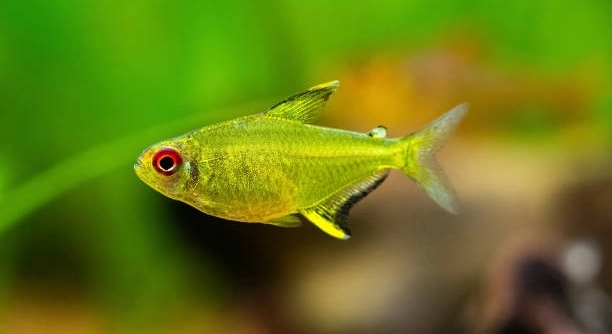
Do you ever notice one lemon tetra swimming alone in your tank while the others stay in a group? Observing this behavior can be puzzling, especially when your aquarium seems otherwise peaceful and well-maintained.
A lemon tetra may isolate itself due to social hierarchy, stress, or health issues. Environmental factors such as tank size, water quality, and the presence of aggressive tank mates also influence this solitary behavior. Monitoring these conditions can prevent long-term isolation.
Understanding why a lemon tetra separates can improve overall tank harmony and fish well-being. Observing behavior closely helps ensure a balanced, healthy aquarium environment.
Common Reasons for Solitary Behavior
Lemon tetras are naturally social fish, usually swimming in groups of six or more. When one fish isolates itself, it often signals stress, illness, or an issue with social dynamics. Stress can arise from sudden changes in water temperature, poor water quality, or overcrowding. A weaker or slower fish may be pushed aside by more dominant tank mates, causing it to separate from the group. Sometimes, a solitary fish is simply adjusting to a new environment or recovering from minor injuries. Observing interactions and behavior patterns helps identify whether the isolation is temporary or a sign of ongoing concern. Ensuring stable water parameters, appropriate tank size, and compatible tank mates can encourage the fish to reintegrate with the group. Consistent monitoring and gentle adjustments to the aquarium setup make a significant difference in reducing solitary tendencies among lemon tetras, supporting both their health and social behavior.
Regular observation can prevent small issues from becoming serious health problems for your tetra.
Tracking water conditions, feeding habits, and interactions provides insight into why a fish may isolate itself. Adjustments like introducing hiding spaces or reducing aggressive behaviors often resolve solitary behavior. Paying attention to these details ensures a more stable, healthy environment for all tank inhabitants. Maintaining proper nutrition and minimizing sudden changes can also help reintegrate a fish with its group, promoting natural schooling behavior. By addressing both environmental and social factors, you increase the likelihood that a solitary lemon tetra will rejoin the school, improving both its well-being and the harmony of your aquarium.
Health Concerns and Illness
Illness can be a major factor in why a lemon tetra isolates itself.
Diseases, parasites, or internal infections often cause lethargy, reduced appetite, or erratic swimming. Affected fish may separate from the school to conserve energy or avoid stress. Water quality issues, including high ammonia, nitrite, or nitrate levels, weaken the immune system and increase vulnerability to infections. Early signs can be subtle, such as slight color changes, clamped fins, or small spots on the body. Regular water testing and partial water changes are essential to prevent illness. Quarantining new fish before introducing them reduces the risk of spreading disease. Treating infections promptly with appropriate medications improves recovery chances. Even mild stress from overcrowding or incompatible tank mates can trigger health problems, emphasizing the importance of careful tank management. Maintaining clean water, stable conditions, and observing behavior consistently helps identify issues early and supports the overall health of all tetras in the aquarium.
Environmental Factors
Tank size and layout significantly affect lemon tetra behavior. Small or overcrowded tanks can increase stress, causing one fish to separate from the school. Lack of hiding spaces or excessive bright lighting may also push a fish to isolate itself, seeking comfort in quieter areas of the tank.
Maintaining stable water conditions is critical for social harmony. Sudden temperature fluctuations, improper pH levels, or unbalanced filtration can disturb fish behavior. Lemon tetras are sensitive to water quality and can react by withdrawing from the group. Introducing plants, rocks, or gentle currents provides both shelter and stimulation, encouraging a solitary fish to rejoin the school. Observing how fish respond to changes in the tank helps identify specific stressors, allowing timely corrections.
Even tank decorations can influence interactions. Open spaces may increase vulnerability for a weaker fish, while dense planting allows retreat and reduces aggressive encounters. Adjusting the environment to balance exposure and security helps a solitary tetra feel safer, promoting reintegration with the group. Providing multiple hiding spots and varying swimming areas supports natural schooling patterns, ensuring a more relaxed, cohesive aquarium atmosphere.
Social Hierarchy and Behavior
Dominance within the group can push one lemon tetra to the edges.
Lemon tetras establish pecking orders, and less dominant individuals may be isolated by more aggressive or faster-moving fish. Social stress often results in a solitary position near the tank’s perimeter.
Observing interactions reveals how dominance affects schooling behavior. Dominant fish may chase or block weaker members, influencing swimming patterns and feeding access. Solitary tetras are often those lower in rank or recently introduced to the tank. Gradually acclimating new fish and monitoring aggression helps reduce isolation. Ensuring all fish have access to food and shelter mitigates stress, allowing weaker individuals to regain confidence. Minor adjustments in tank arrangement, such as adding plants or creating divided areas, can reduce confrontations and encourage more balanced social interactions.
Even subtle behavior patterns indicate the state of social dynamics. Some fish temporarily isolate themselves to avoid conflict or overexertion. Understanding these cues allows timely intervention, preventing prolonged stress and improving group cohesion. Providing consistent feeding schedules, reducing overcrowding, and monitoring health collectively help maintain a stable hierarchy. Observing how fish move together and interact can guide adjustments in tank setup, ensuring that solitary fish gradually reintegrate and experience less social pressure, supporting both mental and physical well-being.
Feeding and Nutrition
Uneven feeding can lead a lemon tetra to stay apart from the group. A weaker fish may struggle to compete for food and retreat to quieter areas, avoiding conflicts during mealtime.
Providing small, frequent portions ensures all fish receive adequate nutrition. Observing feeding behavior helps identify if a fish is being excluded or struggling.
Stress and Environmental Changes
Sudden changes in the tank, such as moving decorations, altering lighting, or introducing new fish, can cause stress. Lemon tetras respond by isolating themselves until they feel safe again. Stress reduces activity levels and may lead to temporary withdrawal from the school.
Tank Maintenance
Regular cleaning and water changes are essential to prevent stress. Dirty or poorly maintained water can make fish more prone to solitary behavior, as they seek cleaner, calmer areas away from disturbances.
Observation and Monitoring
Closely watching your lemon tetra’s behavior helps identify issues early. Changes in movement, coloration, or appetite can indicate health or social problems, allowing timely adjustments.
FAQ
Why is my lemon tetra always alone even though the tank looks fine?
Even in a seemingly healthy tank, a lemon tetra may isolate itself due to stress, minor illness, or social hierarchy. Subtle water quality issues, aggressive tank mates, or overcrowding can trigger withdrawal. Observing behavior over time helps determine if the isolation is temporary or requires intervention.
Can a solitary lemon tetra rejoin the group naturally?
Yes, most lemon tetras gradually reintegrate once stressors are reduced. Providing hiding spots, stable water conditions, and ensuring all fish receive adequate food encourages the fish to return to normal schooling behavior. Patience is key, as reintegration may take several days.
Could illness be causing my lemon tetra to separate?
Illness is a common reason for solitary behavior. Lethargy, reduced appetite, clamped fins, or discoloration often accompany isolation. Parasites, bacterial infections, or weakened immunity from poor water quality can cause a fish to withdraw. Early detection and treatment improve recovery chances.
Does tank size affect a lemon tetra’s social behavior?
Yes, tank size influences comfort and schooling behavior. Small or overcrowded tanks can increase stress and aggression, leading one fish to isolate. A larger tank with adequate swimming space and plants allows safer retreats for weaker or less dominant fish.
How do aggressive tank mates impact schooling?
Aggressive or fast-moving fish may intimidate a lemon tetra, forcing it to retreat and stay alone. Monitoring interactions, separating highly aggressive fish, or adjusting tank layout with hiding spots can reduce conflicts and support reintegration.
Can water quality issues make a lemon tetra solitary?
Poor water quality directly affects fish behavior. High ammonia, nitrite, or nitrate levels stress fish and reduce energy, often resulting in withdrawal from the group. Regular testing, partial water changes, and proper filtration prevent these issues. Maintaining stable pH and temperature also supports social behavior.
Should I worry if the isolation lasts for weeks?
Extended isolation can indicate ongoing stress or health problems. Persistent solitary behavior requires checking water parameters, tank mates, and potential illness. Prompt action can prevent long-term health decline and restore normal social behavior in your lemon tetra.
Do hiding spots help a lonely lemon tetra?
Yes, plants, rocks, and other hiding areas allow a fish to feel secure while gradually interacting with the group. Adequate shelter reduces stress and supports natural schooling patterns. Over time, the fish may regain confidence and swim more actively with its peers.
Is diet important for social behavior?
Proper nutrition supports energy levels and resilience against stress and disease. Inadequate or inconsistent feeding can cause weaker fish to isolate. Providing balanced food in small, frequent portions ensures all fish stay healthy and maintain normal group interactions.
Can introducing new fish affect a lone lemon tetra?
Yes, adding new fish can disrupt social hierarchy and temporarily push a less dominant tetra into isolation. Gradual introductions, quarantine periods, and monitoring interactions reduce stress and help maintain stable group dynamics.
How do I know if the behavior is normal or a problem?
Occasional isolation may be normal, especially during feeding or minor stress. Consistent withdrawal, lack of appetite, or visible signs of illness indicate an underlying issue. Close observation and attention to tank conditions help determine whether intervention is necessary.
Can temperature changes cause a fish to be alone?
Sudden fluctuations in water temperature stress lemon tetras, reducing activity and causing solitary behavior. Maintaining stable temperatures within the recommended range supports normal schooling and prevents stress-related isolation.
Will solitary behavior affect the health of other fish?
Indirectly, yes. Stress within a tank can influence group dynamics and increase aggression among fish. Addressing the needs of the isolated tetra improves overall tank harmony, benefiting all inhabitants.
Are some lemon tetras naturally more solitary?
Occasionally, individual personality or temperament may make a fish less social. While rare, these fish may still interact occasionally with the group but spend more time alone. Providing a safe, comfortable environment ensures they remain healthy despite their preference for solitude.
What is the best way to encourage reintegration?
Maintain clean, stable water, provide hiding spots, monitor feeding, and reduce aggression. Avoid sudden changes to the tank, and allow the fish time to adjust. Gradual interventions promote confidence and help the solitary tetra return to normal schooling behavior.
How often should I monitor my tank?
Daily observation is ideal. Monitoring behavior, water quality, and feeding ensures early detection of stress, illness, or social issues. Prompt action prevents prolonged isolation and keeps the tank healthy for all fish.
Can I use medications to help a solitary fish?
Medications are only necessary if illness is detected. Treating symptoms with proper medication and following instructions carefully supports recovery. Avoid unnecessary treatments, as stress from chemical changes can worsen isolation.
Does overcrowding always cause isolation?
Overcrowding increases competition for food and space, which can force weaker fish to isolate. Proper stocking and regular monitoring reduce stress and maintain natural schooling behavior. Adjusting the number of fish or expanding tank space helps resolve solitary behavior.
Is lighting a factor in a lemon tetra’s behavior?
Excessive or sudden changes in lighting can cause stress, prompting fish to hide. Gradually adjusting light intensity and providing shaded areas helps reduce stress and encourages normal swimming with the group.
How long does it take for a solitary lemon tetra to reintegrate?
Reintegration depends on stress levels, health, and social dynamics. It can take a few days to several weeks. Consistent care, stable conditions, and patience are key to helping a fish gradually rejoin the school and regain confidence.
Final Thoughts
Observing a lemon tetra swimming alone can feel concerning, especially if your tank has always seemed calm and balanced. Solitary behavior is not always a sign of serious problems, but it is an indicator that something in the environment or social structure may need attention. Lemon tetras are naturally social, preferring to swim in groups, so isolation is unusual. Many factors contribute to this behavior, including stress, illness, water quality, tank size, and interactions with other fish. Paying attention to these aspects helps ensure that your fish remains healthy and comfortable. Taking note of subtle changes, like slower swimming, reduced appetite, or clamped fins, can provide valuable information about the overall well-being of the fish and the aquarium environment.
Addressing solitary behavior often requires small but consistent adjustments to the tank. Ensuring stable water parameters is one of the most important steps. Lemon tetras are sensitive to changes in temperature, pH, and ammonia levels, and even minor fluctuations can affect behavior. Adding plants, rocks, or other hiding spaces gives a lonely fish areas to retreat safely while encouraging exploration and interaction over time. Feeding practices also play a role, as weaker or less dominant fish may struggle to access food. Offering small, frequent portions of balanced food ensures all fish receive adequate nutrition and reduces competition, helping the solitary tetra regain energy and confidence. Maintaining cleanliness and a predictable environment further reduces stress and promotes normal schooling behavior.
Social dynamics within the tank are equally important. Dominant or aggressive fish can unintentionally push a weaker tetra to the edges, causing temporary isolation. New additions to the tank can also disrupt hierarchy and trigger similar behavior. Observing interactions closely allows timely interventions, such as rearranging tank elements, separating aggressive fish, or gradually acclimating new fish. With consistent monitoring, careful management, and patience, most lemon tetras will reintegrate into the group naturally. Understanding the reasons behind solitary behavior helps prevent prolonged stress and improves the overall harmony of the aquarium. By focusing on water quality, social balance, and proper nutrition, you create a healthier, more stable environment for all fish, ensuring that every member of the tank thrives.

Hello,
If you enjoy the content that we create, please consider saying a "Thank You!" by leaving a tip.
Every little bit helps us continue crafting quality advice that supports the health, happiness, and well-being of pets around the world, for pets of all shapes, sizes, and species.
We really appreciate the kindness and support that you show us!