
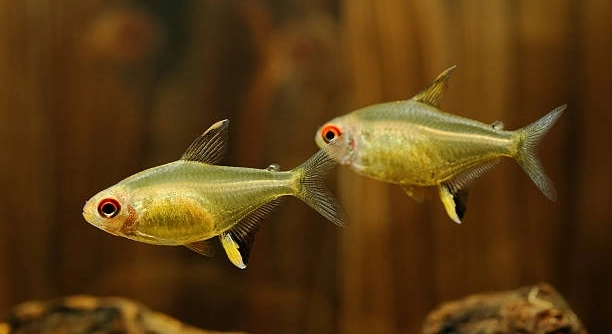
Are your lemon tetras swimming in clear water but leaving you unsure about its quality? Maintaining a healthy aquarium involves more than just feeding your fish and cleaning the tank regularly. Water quality is key.
Lemon tetra water should have a neutral or very faintly fresh scent, similar to clean tap water. Any strong, foul, or chemical odor may indicate poor water quality, bacterial growth, or leftover food decomposition, requiring immediate attention.
Monitoring the smell of your tank water is essential for your fish’s health and will guide you in keeping their environment safe. Proper care ensures a thriving, vibrant aquarium.
Common Causes of Unpleasant Water Smell
Sometimes, the water in your lemon tetra tank develops an odd odor even if everything seems normal. This usually happens when leftover food sits in the tank too long, starting to decompose. Overfeeding is often the main reason. Another factor is inadequate filtration. If your filter isn’t cleaning efficiently, debris and waste can accumulate, creating a noticeable smell. Uneaten food, fish waste, and plant matter release ammonia and other compounds that cause water to smell. Regular partial water changes help reduce this buildup. Overcrowding can also contribute since more fish produce more waste. Even clean tanks can develop slight odors if the balance between fish, plants, and filtration isn’t correct. Using activated carbon in your filter can help absorb some odors. Additionally, testing water parameters like ammonia, nitrite, and nitrate levels ensures your environment is safe. Small adjustments often make a big difference in reducing smells while keeping your tetras healthy.
Proper tank maintenance is the most reliable way to control water odor. Consistent cleaning prevents problems before they escalate.
Monitoring your lemon tetra tank daily allows you to spot changes early. Simple habits like removing leftover food, trimming decaying plants, and performing weekly water changes help maintain a fresh-smelling aquarium. Over time, these small steps create a stable environment, reducing stress for your fish and helping them thrive.
How to Keep Lemon Tetra Water Smelling Fresh
Regular water changes are essential for maintaining a fresh smell. Removing 20–30% of the water weekly helps keep ammonia and nitrate levels low.
Keeping lemon tetra water fresh involves a mix of proper feeding, cleaning, and filtration. Avoid overfeeding since leftover food is the main source of odor. Ensure your filter is rated for your tank size and clean it according to the manufacturer’s instructions without removing too much beneficial bacteria. Using a sponge or mechanical filter media captures solid waste effectively. Adding live plants can also improve water quality by absorbing some nutrients. Partial water changes remove dissolved waste that the filter cannot catch. Testing water parameters ensures ammonia, nitrite, and nitrate remain at safe levels. Even slight fluctuations can affect both smell and fish health. Aeration helps by increasing oxygen and reducing stagnant water zones where odors might develop. Over time, maintaining these habits creates a stable, odor-free environment. Your lemon tetras will show better color, activity, and overall health, making your tank both pleasant to care for and observe.
Signs Your Lemon Tetra Water Needs Attention
Cloudy water and a strong odor are clear indicators that the tank needs cleaning. Fish may also appear stressed, hiding more often or swimming sluggishly.
Changes in water smell often coincide with visible water quality issues. If your tank develops a strong ammonia-like odor or the water turns murky, it signals waste buildup. Overfeeding, inadequate filtration, and lack of regular water changes are common contributors. Even if your fish seem fine, prolonged exposure to poor water conditions can harm their health. Noticing these signs early allows you to take corrective steps before problems escalate. Regular monitoring of water parameters, including ammonia, nitrite, and nitrate, is key to maintaining a stable environment. These small efforts prevent both odor and health issues in the long term.
Behavioral changes in your tetras can also reflect water quality problems. Lethargy, clamped fins, or reduced appetite often accompany unpleasant odors. By addressing these signs promptly, you protect both the health of your fish and the overall cleanliness of your tank.
Simple Steps to Maintain Fresh Water
Performing regular partial water changes prevents waste accumulation and keeps the water smelling fresh.
Consistent maintenance routines are crucial for a healthy lemon tetra tank. Remove uneaten food after feeding to prevent decay, and clean the substrate regularly using a siphon. Check and clean the filter media to ensure it is functioning efficiently, but avoid overcleaning, which can reduce beneficial bacteria. Adding live plants helps absorb excess nutrients and improve oxygen levels, indirectly reducing odor. Testing water parameters weekly ensures ammonia, nitrite, and nitrate remain within safe ranges. Aeration through air stones or surface agitation can also reduce stagnant water pockets. By combining these strategies, you create a balanced, odor-free environment. Over time, these practices make daily care easier and keep your lemon tetras active, colorful, and healthy.
Common Water Additives and Their Effects
Adding conditioners can neutralize harmful chemicals in tap water, keeping lemon tetras safe. These products help remove chlorine, chloramine, and heavy metals effectively.
Some additives, like bacterial starters, help establish beneficial bacteria in the tank. They break down waste faster, reducing odors and improving water clarity.
Impact of Overfeeding on Water Quality
Overfeeding is a frequent cause of foul-smelling water. Uneaten food decomposes, releasing ammonia and other compounds that affect both smell and fish health. Excess nutrients can also lead to algae growth, which further alters water quality. Even small amounts of leftover food can create a noticeable odor over time. Maintaining portion control during feedings is essential to prevent this problem. Observing how quickly your tetras eat and adjusting feeding amounts accordingly ensures minimal leftover food. Combining careful feeding with regular water changes helps maintain stable water conditions. By keeping feeding under control, you can avoid unnecessary stress for your fish and reduce the need for constant cleaning.
Maintaining Proper Tank Temperature
Stable water temperature supports fish health and prevents bacterial overgrowth. Monitoring the heater regularly is essential.
FAQ
What should lemon tetra water smell like?
Lemon tetra water should smell neutral or very faintly fresh. Clean water might have a subtle, almost imperceptible scent similar to tap water. Any strong, sour, or chemical-like odor indicates water quality issues, often caused by leftover food, excess waste, or poor filtration. Regular water monitoring and changes prevent unpleasant smells.
Why does my tank water sometimes smell bad even after a water change?
A single water change might not fix lingering odors if the substrate or filter still contains decaying organic matter. Waste trapped in decorations, gravel, or filter media can continue releasing ammonia or other compounds. Cleaning these areas while keeping beneficial bacteria intact helps reduce recurring smells.
Can overfeeding affect water smell?
Yes, overfeeding is a primary factor. Uneaten food decomposes and releases ammonia, nitrites, and nitrates, which can make the water smell foul. Feeding smaller amounts and removing leftover food shortly after feeding helps maintain clean, odor-free water and reduces stress for your tetras.
How often should I change the water?
Partial water changes of 20–30% weekly are recommended. Regular changes dilute waste, excess nutrients, and chemicals that contribute to odor. Combining water changes with filter maintenance and substrate cleaning ensures a consistently fresh-smelling aquarium.
Do live plants affect the smell of the water?
Yes, live plants can help reduce odors by absorbing nutrients and improving oxygen levels. Healthy plants contribute to natural filtration and help maintain a balanced ecosystem. Decaying plants, however, can add to water odor, so trimming dead leaves regularly is essential.
What role does filtration play in water smell?
A properly functioning filter captures debris and provides biological filtration that breaks down waste. If filters are clogged, undersized, or inefficient, waste builds up and produces odors. Cleaning the filter media carefully without removing all beneficial bacteria ensures consistent water quality.
Can water temperature affect odor?
Yes, warmer water can speed up decomposition and bacterial growth, increasing odor. Maintaining a stable temperature within the recommended range for lemon tetras helps minimize these effects and keeps your fish healthy.
Are water conditioners necessary for smell control?
Water conditioners neutralize chlorine, chloramine, and heavy metals, creating a safer environment for fish. While they don’t directly remove waste odor, they support a healthier tank ecosystem that naturally prevents foul smells from developing.
What if my water still smells after all maintenance steps?
Persistent odor may indicate a hidden problem, such as contaminated substrate, decaying decorations, or excessive waste accumulation. Testing water parameters, deep cleaning the tank carefully, and ensuring proper stocking levels often resolves long-term smell issues.
How can I prevent bad water smell long-term?
Combine regular feeding control, partial water changes, substrate cleaning, live plants, and proper filtration. Monitoring water parameters and acting quickly when changes occur keeps your lemon tetra tank consistently fresh-smelling and supports overall fish health.
Are there any safe additives to reduce odor quickly?
Activated carbon in your filter can absorb compounds causing odor. Bacterial additives can also help break down waste faster. Both methods work best alongside standard tank maintenance and do not replace cleaning or proper water changes.
Can stress in fish be related to water smell?
Yes, poor water quality and odors can stress lemon tetras. Stress weakens their immune system, making them more prone to disease. Maintaining clean, well-oxygenated, and properly filtered water supports both odor control and fish well-being.
How do I know if my water is safe for my tetras?
Testing for ammonia, nitrite, nitrate, and pH levels is essential. Even if the water smells okay, imbalanced parameters can harm fish. Consistent monitoring ensures your tank stays safe, odor-free, and stable over time.
Does tank size influence water smell?
Smaller tanks tend to develop odors faster because waste concentration rises more quickly. Larger tanks dilute waste naturally, but proper feeding, filtration, and water changes are still necessary regardless of tank size.
Can decorations and gravel affect water smell?
Yes, porous decorations and gravel can trap food and waste, creating localized odor zones. Cleaning or vacuuming these surfaces during water changes prevents buildup while maintaining a balanced tank ecosystem.
Is it normal for water to have a slight scent?
A very mild, fresh scent is normal and indicates a healthy tank. Any strong, sour, or chemical smell signals an imbalance, requiring cleaning, water testing, or adjustments in feeding and filtration.
How do bacterial additives work for odor control?
Bacterial additives introduce beneficial microbes that break down organic waste faster. This reduces ammonia and nitrite levels, which are the main sources of odor. Using them in combination with proper water changes improves both smell and overall water quality.
Can tap water smell affect the tank?
Yes, some tap water contains chlorine, chloramine, or minerals that can produce noticeable odors. Using a water conditioner neutralizes these chemicals, ensuring a neutral-smelling and safe environment for lemon tetras.
Is overstocking a factor in water odor?
Overcrowding increases waste output, making filtration and water changes less effective. Maintaining appropriate fish numbers relative to tank size is essential to prevent odor buildup and keep your lemon tetras healthy and stress-free.
How do I balance cleaning with maintaining beneficial bacteria?
Avoid over-cleaning filter media or substrate at once. Rinse filter media in tank water instead of tap water to preserve beneficial bacteria, which are vital for breaking down waste and controlling odor naturally.
Keeping lemon tetra water fresh and healthy is an essential part of maintaining a thriving aquarium. Clean water directly affects the health, color, and activity of your fish. Even a subtle change in smell or clarity can signal that something in the tank is off balance. Many common issues, such as overfeeding, inadequate filtration, or decaying plants, contribute to unpleasant odors. Being attentive to these factors and taking regular, consistent steps to maintain water quality can prevent minor problems from becoming serious. Regular partial water changes, careful feeding, and monitoring water parameters all work together to create a stable environment that supports your fish’s well-being.
Proper filtration is one of the most effective ways to keep water odor-free. A filter not only removes debris but also promotes biological balance, breaking down waste before it causes noticeable smells. Using activated carbon or bacterial additives can also help maintain water quality, but these should supplement, not replace, routine maintenance. Live plants are another natural method to improve water quality. They absorb nutrients, reduce waste, and enhance oxygen levels. Even small additions of healthy plants can make a visible difference in tank cleanliness and odor control. Consistently observing your tetras’ behavior and water conditions allows you to spot issues early and address them efficiently.
Attention to feeding habits, tank setup, and regular care is key to long-term success. Overfeeding produces excess waste, which quickly affects water quality. Keeping fish numbers appropriate for the tank size ensures that filtration and cleaning routines are effective. Removing decaying plant matter and uneaten food regularly prevents bacteria from producing strong odors. Testing water for ammonia, nitrite, nitrate, and pH levels provides measurable insight into tank health. When these steps are combined, they create a balanced environment where lemon tetras can thrive. A clean, fresh-smelling tank not only supports fish health but also makes caring for them more enjoyable and stress-free. By staying consistent and attentive, maintaining a healthy aquarium becomes a manageable, rewarding routine.

Hello,
If you enjoy the content that we create, please consider saying a "Thank You!" by leaving a tip.
Every little bit helps us continue crafting quality advice that supports the health, happiness, and well-being of pets around the world, for pets of all shapes, sizes, and species.
We really appreciate the kindness and support that you show us!