
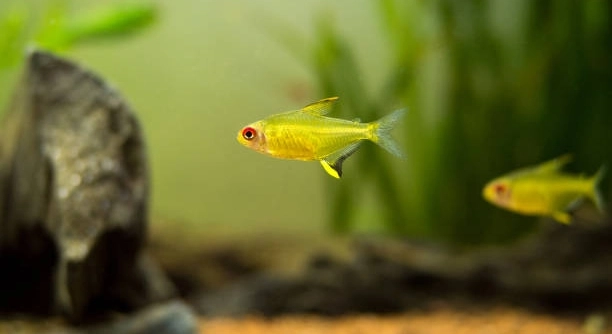
Have you ever noticed your lemon tetra swimming slowly or hiding more than usual in its tank? These small, bright fish can show subtle changes in behavior that may make you pause and observe carefully.
Lemon tetras can experience stress and changes in behavior that resemble depression. Factors such as poor water quality, lack of stimulation, insufficient companions, and sudden environmental changes can negatively impact their mental and physical well-being.
Recognizing these behaviors early can help you provide a healthier and more engaging environment for your fish. Small adjustments can make a noticeable difference in their overall mood and activity.
Signs Your Lemon Tetra May Be Depressed
When I first noticed my lemon tetras slowing down, I didn’t realize it could be related to stress or poor conditions. Some common signs include swimming near the bottom, hiding excessively, or losing their bright coloration. Changes in appetite are also noticeable; they may eat less or ignore food entirely. Social behaviors shift too—these fish usually swim in groups, and if one is isolated or not following the school, it can indicate something is wrong. Another sign is unusual aggression or sudden lethargy, which can indicate environmental discomfort. Tank setup plays a huge role: overcrowding, inadequate filtration, or lack of hiding spots can make even healthy tetras anxious. I found that simply observing daily interactions helped me catch problems before they became serious. Water parameters, such as pH and temperature, are subtle but essential factors. Regular maintenance and attention to these behaviors keep them happier.
Early detection is important because lemon tetras rely heavily on social and environmental stability to stay healthy.
Understanding these signs allows you to adjust their environment effectively. Regular monitoring and small changes, like improving water quality or adding plants, can make them more active and engaged. Their well-being responds quickly when their needs are met, and it’s rewarding to see their colors return and energy increase. By creating a balanced tank and maintaining consistent care, you reduce stress and help prevent these mood shifts. Paying attention to interactions within the group and providing stimulation like hiding spots or gentle water movement can make a big difference. Observing daily patterns, noting changes, and responding promptly ensures your lemon tetras stay active and healthy over time. With small, thoughtful adjustments, their behavior can improve significantly.
Causes of Depression in Lemon Tetras
Environmental stress is a leading factor for behavioral changes in lemon tetras.
Changes in water temperature, poor filtration, and overcrowding can all contribute to stress. Even minor inconsistencies in light cycles or sudden tank rearrangements may affect their mood. Nutrition is another important aspect; a lack of variety in their diet can lead to lethargy or decreased activity. Social factors also matter—lemon tetras are schooling fish, and isolation or small group sizes can make them anxious or withdrawn. By addressing these elements, you create a stable, engaging environment that supports their natural behavior.
Understanding the causes helps you prevent depression before it becomes severe. Water quality should be checked regularly, maintaining proper pH, temperature, and nitrate levels. Avoid overfeeding, as excess food can harm water quality and stress fish. Provide a well-planted tank with hiding spots to reduce anxiety and encourage exploration. Ensuring they have companions of their own species maintains social interactions and reduces isolation stress. Small environmental improvements, like gentle filtration and consistent lighting, can significantly impact their mood. Diet variety, including high-quality flakes and occasional live or frozen foods, supports their physical and mental health. Observing and adapting to their needs ensures your tetras thrive in a balanced habitat, keeping them active, vibrant, and socially engaged over time.
Improving Tank Environment
Small changes in the tank can make a big difference. Adding live plants, hiding spots, and gentle water flow helps lemon tetras feel safe and reduces stress. Proper filtration and regular water changes keep their environment healthy.
I added a few floating plants and rearranged decorations in my tank, and the difference was clear. My tetras started exploring more and swimming actively in groups. Hiding spots allowed shy fish to feel secure, which reduced aggressive behaviors. Even small adjustments like soft lighting and consistent water temperature contributed to their improved mood. Over time, I noticed brighter coloration and more natural schooling behavior. Observing daily interactions helped me understand which areas of the tank they preferred, allowing me to optimize the setup further for their comfort and well-being.
Regular monitoring of water quality is essential. Checking temperature, pH, and ammonia levels ensures a stable environment. Adjusting lighting and maintaining plants prevents stress. Providing space for movement supports their natural behavior.
Nutrition and Social Needs
A balanced diet keeps lemon tetras healthy and active. Including a mix of flakes, frozen, and live foods meets their nutritional requirements and encourages natural foraging behavior.
Social interaction is equally important. Lemon tetras thrive in groups, and isolation can lead to stress or depression-like behavior. Observing their schooling patterns helps you notice if a fish is withdrawn. I started keeping at least six lemon tetras together, and shy individuals became more confident over time. Regular feeding schedules and diet variety also improved energy levels. Even minor changes in social dynamics can affect their mood, so maintaining a stable group helps them feel secure. By combining proper nutrition with adequate social interaction, tetras display healthier activity, brighter colors, and more natural behaviors that indicate overall well-being.
Common Mistakes in Tank Care
Overcrowding the tank is a frequent issue that stresses lemon tetras. Too many fish reduce swimming space and increase waste, impacting water quality and mood.
Ignoring water changes can lead to harmful nitrate buildup. Even healthy fish become stressed in dirty or unstable water, showing lethargy and hiding behavior.
Importance of Consistent Routine
Maintaining a consistent care routine helps lemon tetras feel secure. Regular feeding, cleaning, and observation reduce stress and encourage natural behaviors. I found that keeping the same schedule every day made my fish more active and confident. They began schooling more tightly, exploring plants, and interacting with each other naturally. Small adjustments in routine, like feeding at the same time and performing water changes on consistent days, created stability in their environment. This consistency improved their mood, reduced hiding, and made it easier to notice unusual behavior early. Consistent care is a simple way to support their overall mental and physical health.
Monitoring Behavioral Changes
Keeping an eye on daily behavior helps identify early signs of stress or depression. Regular observation ensures timely interventions.
FAQ
Can lemon tetras recover from depression?
Yes, they can. Recovery depends on addressing the cause of stress. I noticed my tetras became more active after improving water quality, adding plants, and keeping them in a proper-sized group. Behavioral improvements appeared within days, and over weeks their colors brightened. Consistency and attention are key.
How many lemon tetras should I keep together?
A minimum of six is recommended. They are schooling fish and rely on companions for social interaction. I started with a group of six, and even shy individuals became more confident. Smaller groups can lead to isolation stress and unusual behavior, while larger groups encourage natural schooling.
What water parameters are ideal for lemon tetras?
They prefer a temperature between 72-78°F and a pH of 6.5-7.5. Ammonia and nitrite should be at 0 ppm, and nitrates below 20 ppm. I check these weekly, as fluctuations stress fish quickly. Stable water conditions are essential for preventing depression-like behaviors.
Can diet influence their mood?
Yes. Variety is important. I feed a mix of high-quality flakes, frozen brine shrimp, and occasional live foods. Lack of variety can lead to lethargy and reduced appetite. Feeding small amounts multiple times a day keeps them active and supports their mental well-being.
Will adding plants really help?
Absolutely. Plants provide hiding spots and reduce stress. I added floating and rooted plants, and the tetras explored more and hid less. Plants also improve water quality by absorbing nitrates, creating a healthier and more engaging environment for your fish.
Do lemon tetras show visible signs of stress?
Yes. Signs include hiding, swimming at the bottom, loss of color, and reduced appetite. I noticed one tetra stop following the group, which signaled stress. Early observation allows you to intervene and adjust the environment before behavior worsens.
Can isolation make them depressed?
Yes. Lemon tetras are social and need companionship. I learned that removing one fish from a group caused it to become withdrawn and less active. Keeping them in a proper group ensures social interaction, reduces stress, and encourages natural behaviors.
How often should I clean their tank?
Regular maintenance is crucial. I perform partial water changes of 20-25% weekly. Overcleaning can stress them, while neglecting water changes causes nitrate buildup, poor water quality, and depressive behaviors. A consistent cleaning schedule helps maintain a stable, healthy environment.
Do lighting changes affect their mood?
Yes. Sudden bright lights or inconsistent schedules can stress them. I keep a consistent day-night cycle and use soft lighting, which encourages normal activity and reduces hiding. Stability in lighting helps them feel secure and supports natural behavior.
How can I tell if a fish is improving?
Look for increased activity, brighter colors, normal schooling, and regular eating. I observed my tetras start exploring more and swimming in tighter groups after environmental and social adjustments. Behavioral improvements usually appear gradually but are clear indicators of better well-being.
Are there any signs that indicate serious problems?
Persistent hiding, refusal to eat, rapid breathing, or erratic swimming are serious signs. I immediately checked water parameters and health when I saw these behaviors. Early detection allows timely interventions, which can prevent worsening of depression-like symptoms and physical illness.
Can stress be completely prevented?
Not entirely, but it can be minimized. Providing a stable environment, proper diet, consistent routine, and sufficient companions greatly reduces stress. I found that consistent care and observation prevented most behavioral issues, keeping my tetras healthy, active, and vibrant.
Do decorations affect their mood?
Yes. Hiding spots, plants, and open swimming areas all contribute to a secure environment. I arranged decorations to create both cover and space for exploration. This encouraged natural behaviors, reduced stress, and improved overall activity in the tank.
Is it normal for tetras to be shy at first?
Yes. New fish often hide until they adjust. I noticed my tetras spent the first day near plants but gradually swam more freely. Patience and minimal sudden changes help them feel secure and reduce stress during acclimation.
Can multiple adjustments be made at once?
It’s better to make gradual changes. I changed one factor at a time, like adding plants first, then adjusting feeding routines. Sudden multiple changes can stress fish, whereas small, consistent improvements yield better long-term results.
How long does it take to see improvement?
It varies. Some behaviors improve in days, like activity levels, while color restoration and social confidence can take weeks. I tracked daily observations, noting progress slowly but steadily. Consistency and attention to their needs ensure positive results over time.
Is it okay to handle lemon tetras?
Minimal handling is best. Stress from catching or moving them can worsen depressive behavior. I only handle them during tank transfers or emergencies. Gentle care and observation without interference maintain their mental and physical health.
Can water additives help?
Some additives, like beneficial bacteria, improve water quality and reduce stress. I used them occasionally after water changes, but rely primarily on regular maintenance. Clean, stable water is the most important factor in preventing depression-like behaviors.
Do tetras communicate stress to each other?
Yes. Distressed fish can affect the group. I noticed one stressed tetra causing others to hide more. Maintaining a balanced environment reduces stress for the entire group, allowing natural schooling and social interactions to continue.
Can enrichment reduce depression?
Yes. Hiding spots, gentle water movement, and a variety of foods provide stimulation. I added floating plants and varied diet, which encouraged activity, exploration, and healthy social behavior. Enrichment helps maintain mental health and overall well-being in lemon tetras.
Is professional help ever needed?
Usually not, but if multiple fish show severe symptoms despite environmental improvements, consulting an experienced aquarist or vet can help identify hidden issues like disease or toxicity. I reached out once when unusual lethargy persisted, and adjustments improved their health.
Lemon tetras are small, colorful fish that can bring a lot of life to a tank, but they are also sensitive to changes in their environment. Their behavior is often a reflection of how comfortable they feel, and even small stressors can affect their mood. Overcrowding, poor water quality, or sudden changes in their tank can make them withdrawn, less active, or even affect their appetite. I noticed that my own tetras would sometimes hide near the bottom or stay in corners when something in the tank was off. These behaviors can look subtle at first, but over time, they reveal that the fish are not entirely happy or comfortable. By observing them closely, it is possible to catch these signs early and take steps to improve their conditions. Stability in water parameters, proper tank size, and consistent care are the first steps toward ensuring that lemon tetras remain healthy and active.
A well-maintained tank goes beyond just keeping water clean. Social interactions, diet, and the physical environment all play a role in their overall well-being. Lemon tetras are schooling fish, so having enough companions is essential for their social needs. I found that keeping a small group of six or more made a noticeable difference in behavior. Shy or stressed fish began to swim more confidently and participate in the school, showing their natural behaviors. Diet variety also matters; including a mix of high-quality flakes, frozen foods, and occasional live foods kept them active and encouraged natural foraging. Adding live or artificial plants, hiding spots, and gentle water flow creates a more engaging environment, helping reduce stress and making the fish feel secure. Even small adjustments, like consistent lighting and regular observation, can help prevent long-term stress or depression-like behaviors.
Regular monitoring and attention to their needs are key for long-term health. Lemon tetras respond quickly to positive changes, so consistent care can yield noticeable improvements. I noticed that when I maintained stable water conditions, offered varied food, and ensured enough companions, my tetras regained their bright colors and energetic swimming patterns. Watching them explore the tank, interact with each other, and feed actively was a clear sign that they were feeling better. Understanding their needs and being attentive to small changes allows for proactive care, which prevents problems from becoming serious. While it takes effort, creating a stable, enriched, and healthy environment makes a huge difference in the happiness and longevity of lemon tetras. By focusing on water quality, social stability, diet, and environmental enrichment, these fish can thrive and display the vibrant, active behavior that makes them such a rewarding species to keep.

Hello,
If you enjoy the content that we create, please consider saying a "Thank You!" by leaving a tip.
Every little bit helps us continue crafting quality advice that supports the health, happiness, and well-being of pets around the world, for pets of all shapes, sizes, and species.
We really appreciate the kindness and support that you show us!