
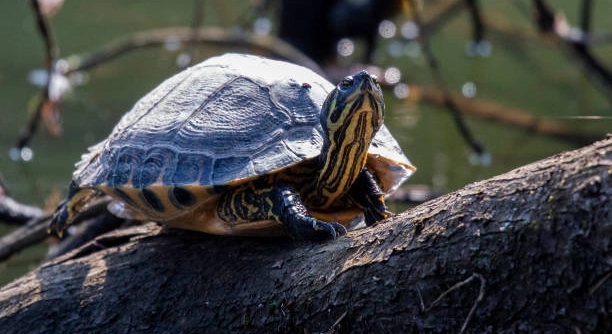
Yellow-bellied sliders are popular pet turtles, known for their vibrant colors and charming nature. However, as a turtle owner, you may notice some unusual behavior from time to time. One common issue is uneven shedding.
Uneven shedding in yellow-bellied sliders can occur due to several factors such as improper humidity, poor diet, or stress. A lack of proper care can lead to skin problems, causing patches to shed unevenly or more frequently.
Understanding why your turtle is shedding unevenly will help you identify the problem and make necessary adjustments to its environment. Let’s take a closer look at the possible causes.
Improper Humidity Levels
If the humidity in your turtle’s tank is too low, it can cause problems with shedding. Yellow-bellied sliders need a humid environment to shed properly. If the humidity drops too much, their skin can become dry, leading to uneven shedding. When the tank is too dry, their outer layers may not come off as easily, leaving patches of old skin behind. Turtles can shed in chunks, but with consistent humidity, the process should be smoother. Make sure to monitor the humidity levels regularly. You can use a hygrometer to ensure it stays within the recommended range, around 70-80% humidity.
Creating a suitable environment will keep your turtle comfortable. Without proper humidity, your turtle may develop skin conditions that can cause more shedding issues. Keep humidity levels steady for healthier shedding.
If the humidity is maintained correctly, your turtle’s skin should shed evenly. Consider using a humidifier or misting the enclosure regularly. Some owners also add a shallow water dish to boost moisture. Ensure the tank is large enough for your turtle to move around. These steps can help your turtle shed without trouble.
Poor Diet
A poor diet can significantly affect your turtle’s shedding process. If your yellow-bellied slider isn’t getting the right nutrients, their skin may not shed evenly. A lack of essential vitamins and minerals can lead to weak or unhealthy skin, resulting in patches of old skin not coming off.
The diet of your turtle should include a mix of protein, leafy greens, and the occasional fruit. Commercial pellets should be supplemented with these fresh foods to ensure they get everything they need. Inadequate nutrition leads to slower or incomplete shedding, affecting their health.
If your turtle is not getting enough calcium or vitamin A, this can cause skin problems. For healthy shedding, offer leafy greens like dandelion greens and collard greens, which are rich in vitamins. Make sure they’re getting enough protein from insects or worms, along with variety. The better the diet, the more likely your turtle will shed evenly and maintain its skin health.
Stress
Stress can lead to uneven shedding in yellow-bellied sliders. When your turtle feels stressed, their body can react by shedding skin in patches or more frequently than usual. Common stressors include changes in their environment, too much handling, or the presence of other animals in the tank.
If your turtle is stressed, it’s important to find and remove the cause. A calm environment with minimal disturbances will help them feel more secure and shed naturally. Consider adding hiding spots in their tank to create a safe space, which can reduce anxiety and promote better shedding.
Monitoring your turtle for signs of stress, such as hiding, erratic swimming, or loss of appetite, is essential. Reducing these stressors will help your turtle shed more evenly. Also, providing proper lighting and temperature control can make your turtle feel more comfortable and reduce stress levels.
Inadequate Temperature
Temperature plays a key role in the shedding process. If the water in your turtle’s tank is too cold or too warm, it can cause shedding issues. Yellow-bellied sliders need a consistent water temperature between 75-80°F to stay healthy and shed correctly.
Maintaining the right temperature in your turtle’s tank can help them shed evenly. Use a reliable water heater and thermometer to ensure the water stays in the ideal range. Too cold or too warm conditions can cause stress or slow down the natural shedding process.
FAQ
Why is my yellow-bellied slider shedding so much?
Excessive shedding can be a sign that your turtle is experiencing environmental stress or an imbalance in their diet. If they are shedding more than usual, it could be due to a sudden change in temperature or humidity. Also, if their diet lacks certain vitamins or minerals, they may shed more frequently to compensate. Ensure their habitat is stable and their diet is well-rounded to help regulate shedding.
How can I tell if my turtle’s shedding is abnormal?
Abnormal shedding can show itself as patches of old skin that don’t come off, skin that appears discolored or unhealthy, or shedding that happens too often. Healthy shedding should happen in small, uniform pieces. If there are signs of skin lesions, or if the skin peels off unevenly, this could indicate a problem, and you should consult a vet.
What temperature is best for my yellow-bellied slider to shed properly?
Yellow-bellied sliders need water temperatures between 75°F to 80°F (24°C to 27°C) for optimal health, including proper shedding. If the water is too cold, it can make shedding harder and even cause stress. If the water is too hot, it can cause overheating, also affecting their skin. Keep the water temperature within this range for the best results.
Should I remove the shed skin from my turtle’s tank?
It is not necessary to remove the shed skin right away, as it will usually break down naturally in the tank. However, if the shed skin is accumulating and affecting water quality, it’s best to remove it to avoid bacteria buildup. Regular tank cleaning is essential for your turtle’s health.
Can a yellow-bellied slider shed unevenly due to health issues?
Yes, health issues can contribute to uneven shedding. If your turtle has a fungal or bacterial infection, or if they’re lacking proper nutrients, it can interfere with the normal shedding process. It’s important to monitor your turtle’s overall health and consult a vet if you notice anything unusual, such as skin discoloration, lesions, or a lack of appetite.
How often should my yellow-bellied slider shed?
Yellow-bellied sliders typically shed their skin every few weeks, but the frequency can vary depending on their age, diet, and environment. Young turtles tend to shed more often than adults as they grow quickly. Keep in mind that shedding is a normal part of their life cycle, but if it’s excessive or inconsistent, it may be a sign of something off in their care.
What should I do if my turtle seems to be shedding unevenly or too often?
If your turtle is shedding unevenly or too often, first check the temperature, humidity, and diet. Make sure they’re getting a balanced diet with the right amount of calcium and vitamins. You should also inspect their habitat for stressors and ensure they have plenty of hiding places. If the issue persists, consider consulting a vet.
Can my turtle’s shedding be affected by the type of substrate in the tank?
Yes, the type of substrate in your turtle’s tank can impact shedding. Sharp, rough, or abrasive substrates can cause skin irritation and prevent proper shedding. Smooth substrates like river rock, sand, or soft aquatic plants are better options. If the substrate is contributing to the problem, consider changing it.
How can I improve the humidity in my turtle’s tank?
To improve humidity, consider adding a humidifier near your turtle’s tank or misting the tank regularly. You can also cover part of the tank with a lid to keep moisture in. Some owners use a shallow water dish to help increase humidity levels. The goal is to keep humidity levels between 70-80% to ensure healthy shedding.
Can stress from handling cause my turtle to shed unevenly?
Yes, excessive handling or disturbances in their environment can cause stress, which may affect shedding. When a turtle feels threatened or anxious, it can impact their overall health and lead to irregular shedding patterns. If you notice your turtle shedding unevenly after being handled, try to minimize interactions and give them time to adjust to their environment.
What should I do if my turtle’s skin appears to be infected?
If your turtle’s skin looks infected, such as having red, swollen areas, lesions, or a foul smell, it’s essential to seek veterinary care immediately. Infections can slow down or interfere with shedding, and untreated infections can worsen. A vet will diagnose the problem and recommend a treatment plan.
Can a yellow-bellied slider shed its shell?
No, yellow-bellied sliders do not shed their shells. Unlike their skin, which sheds periodically, their shells grow slowly over time, and they do not shed in pieces. If you notice your turtle’s shell is peeling or showing signs of damage, it may be a sign of an infection or other health issue. Regular shell maintenance is important for their overall health.
Is it normal for my turtle to shed in patches?
Shedding in patches is normal but should occur gradually and without causing harm to your turtle. If patches of skin are left behind or shed unevenly, it could be a sign of environmental or health issues. It’s important to monitor their skin condition and adjust their care accordingly to prevent any problems from worsening.
How can I help my yellow-bellied slider maintain healthy skin and shedding?
To maintain healthy skin and shedding, make sure your turtle has a balanced diet, proper temperature, and humidity levels. Keep the tank clean and provide UVB lighting for essential vitamin D synthesis. Regularly check for signs of stress or illness and address them quickly. Healthy conditions will promote even, stress-free shedding.
In conclusion, uneven shedding in yellow-bellied sliders is often a result of several factors, including improper humidity, poor diet, stress, or an unsuitable temperature. Understanding the specific needs of your turtle’s environment is essential for promoting healthy shedding. Monitoring the temperature and humidity levels, making sure they have a well-balanced diet, and reducing stress factors can all help improve the shedding process. When all these conditions are met, your turtle should shed its skin evenly and without difficulty.
It’s important to pay close attention to any changes in your turtle’s behavior and appearance. If you notice that your turtle is shedding more often, has patches of skin that aren’t coming off, or appears unhealthy, it may be time to reassess its care routine. Often, small adjustments in diet or habitat can make a big difference in how your turtle sheds. Make sure to provide fresh, nutritious food and maintain a consistent, stable environment for your turtle to thrive in.
If you continue to see uneven shedding or other signs of distress despite making changes, it could be worth consulting a veterinarian. Sometimes, the issue may stem from underlying health problems that require professional treatment. A vet can offer guidance and help rule out any potential infections or illnesses. Overall, with a little attention and care, you can help ensure your yellow-bellied slider sheds properly and stays healthy.

Hello,
If you enjoy the content that we create, please consider saying a "Thank You!" by leaving a tip.
Every little bit helps us continue crafting quality advice that supports the health, happiness, and well-being of pets around the world, for pets of all shapes, sizes, and species.
We really appreciate the kindness and support that you show us!