
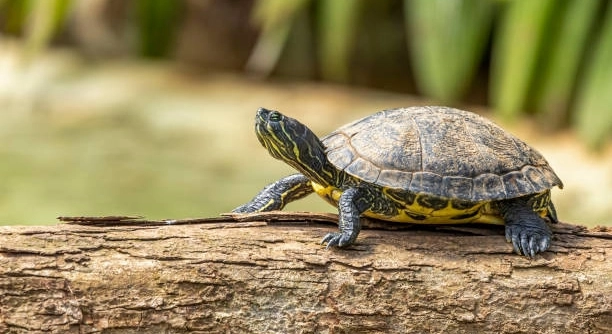
Yellow-bellied sliders are popular pets due to their calm nature and manageable care needs. As an owner, you may wonder if certain fruits can be added to their diet. Bananas, a common fruit in many households, might catch your attention.
Yellow-bellied sliders can eat bananas in moderation. However, they should be considered a treat rather than a staple in their diet. Too much banana may lead to digestive issues or an imbalance in their overall nutrition.
Bananas contain important vitamins and minerals, but understanding the correct portion size is essential. By learning the right way to offer bananas, you can ensure your turtle stays healthy.
Can Yellow-Bellied Sliders Eat Bananas Regularly?
Bananas can be an occasional treat for yellow-bellied sliders, but they shouldn’t be given to them often. While bananas are rich in potassium and vitamins, they also contain sugar and phosphorus, which can disrupt the balance of your turtle’s diet. When offering fruits, variety is key.
Bananas should be introduced in small portions to avoid upsetting their digestive system. Providing different fruits can also offer a broader range of nutrients, which is healthier for your slider in the long run.
Overfeeding bananas could lead to weight gain or kidney problems due to the high sugar content. It’s important to monitor how much your turtle consumes and make sure it’s balanced with their regular diet of vegetables and proteins. If your turtle does show signs of illness after eating bananas, it’s best to reduce the fruit intake and consult a vet.
How Much Banana is Safe for a Yellow-Bellied Slider?
A small piece, about the size of your turtle’s head, is enough. Giving too much at once can upset their digestion.
While bananas are not harmful in small amounts, feeding them too frequently can cause health problems. Excess sugar in bananas can lead to obesity in turtles, which is a risk that should not be ignored. Yellow-bellied sliders thrive on a balanced diet primarily made up of leafy greens, aquatic plants, and proteins like worms or fish. If you offer bananas as a treat, ensure they are given sparingly and not as a substitute for a healthier, nutrient-rich diet.
Over time, yellow-bellied sliders can get used to the taste of bananas. However, it’s crucial not to make it a habit. By sticking to moderation and offering bananas occasionally, your turtle will enjoy a safe treat that won’t disrupt its overall well-being. A good rule of thumb is to provide bananas only once every few weeks, alongside other fruits like strawberries, apples, or berries, to maintain a balanced diet.
The Nutritional Benefits of Bananas for Yellow-Bellied Sliders
Bananas provide vitamins like C and B6, which can be beneficial to a yellow-bellied slider’s health. They also contain potassium, which is essential for muscle function and overall well-being.
These vitamins can support your slider’s immune system and help keep them active. Potassium, in particular, plays a vital role in muscle health, which is important for your turtle as it moves around. However, these benefits must be weighed against the sugar content. Too much sugar can be harmful, so balance is key.
Bananas can also be a good way to introduce variety into your turtle’s diet. Offering a range of fruits in moderation helps ensure that your turtle receives a wide array of nutrients. It’s essential to avoid feeding bananas too frequently, as this could lead to nutrient imbalance, making other fruits and vegetables more beneficial in the long run.
Potential Risks of Feeding Bananas to Yellow-Bellied Sliders
The high sugar content in bananas can cause digestive issues if fed too often. Feeding them excessively could lead to problems like diarrhea or bloating.
Bananas are not toxic, but overconsumption can affect your turtle’s health. High sugar levels may also contribute to weight gain. This is particularly risky for yellow-bellied sliders since they tend to be prone to obesity if not managed well. A balanced diet should prioritize leafy greens, aquatic plants, and proteins to avoid these risks.
Another concern is that bananas contain too much phosphorus relative to calcium. An imbalance between these nutrients can lead to shell deformities and other bone-related issues in turtles. While a small portion of banana now and then may not pose a significant problem, regularly offering them could potentially interfere with your turtle’s overall nutritional intake.
How to Feed Bananas to Yellow-Bellied Sliders
When feeding bananas, make sure to remove the peel first, as it’s harder for your turtle to digest. Cut the banana into small pieces to avoid overfeeding.
Bananas should be offered as an occasional treat. A small piece is enough to give your turtle a taste without causing any harm. Ensure that banana pieces are only a small part of their overall diet, with leafy greens and protein taking precedence.
Alternatives to Bananas for Yellow-Bellied Sliders
If you’re looking for other fruits to feed your yellow-bellied slider, try berries, strawberries, or apples. These are safer options when offered in moderation.
Fruits like watermelon, grapes, and peaches can be provided occasionally as well. These fruits have different nutritional profiles and are less sugary than bananas, making them better options for variety. Just remember that they should still be offered sparingly, and the main part of the diet should always be plant-based.
Balanced Diet for Yellow-Bellied Sliders
A balanced diet is vital for the health of your yellow-bellied slider. It should consist mainly of leafy greens, like kale or collard greens.
Feeding them a variety of plants and occasional protein sources, such as earthworms, fish, or shrimp, will help keep your slider healthy and active. Over time, you can rotate different vegetables and fruits to ensure your turtle receives all the necessary nutrients.
FAQ
Can yellow-bellied sliders eat fruit every day?
No, yellow-bellied sliders should not eat fruit every day. While fruits like bananas can be a tasty treat, they are high in sugar and should only be given occasionally. A regular diet of leafy greens, aquatic plants, and protein sources like worms or fish is much more important for their health. Fruits should only make up a small part of their diet to prevent issues like weight gain or digestive upset.
Are bananas bad for yellow-bellied sliders?
Bananas are not bad for yellow-bellied sliders when fed in moderation. The high sugar content, however, can lead to health issues such as obesity or digestive problems if offered too frequently. Bananas also have a higher phosphorus to calcium ratio, which can be problematic for a turtle’s shell health if they’re eaten too often.
What fruits can yellow-bellied sliders eat?
Yellow-bellied sliders can enjoy a variety of fruits, but they should always be offered in moderation. Some safe fruit options include strawberries, blueberries, apples (without seeds), watermelon, and peaches. These fruits provide nutrients without being too sugary or high in phosphorus, making them safer choices compared to bananas. Always remove seeds or pits to avoid choking hazards.
How often should I feed my yellow-bellied slider bananas?
Bananas should only be offered to yellow-bellied sliders once every two weeks or so. A small piece is enough. Overfeeding bananas can lead to nutrient imbalances or digestive issues. It’s best to reserve bananas for special occasions or as a reward, not as a regular part of their diet.
Can yellow-bellied sliders eat banana peel?
Banana peels are not ideal for yellow-bellied sliders, as they can be difficult for them to digest. The peel may also contain pesticides or chemicals that could be harmful to your turtle. It’s better to peel the banana before offering it to your slider to ensure they only eat the fruit itself.
Are there any risks with feeding bananas to yellow-bellied sliders?
The main risks of feeding bananas to yellow-bellied sliders are related to their high sugar and phosphorus content. Too much sugar can cause weight gain, obesity, and digestive upset, while an imbalance of phosphorus and calcium can lead to shell deformities. Feeding bananas sparingly, alongside a balanced diet, is key to avoiding these risks.
Can yellow-bellied sliders eat overripe bananas?
Overripe bananas are not recommended for yellow-bellied sliders. As bananas ripen, their sugar content increases, which may make them even less suitable for regular consumption. An overripe banana may also be mushy, making it harder for your turtle to eat. Stick to fresh bananas and feed them in moderation.
Can yellow-bellied sliders eat banana smoothies or juice?
It’s best not to feed your yellow-bellied slider banana smoothies or juice. These often contain added sugars and preservatives, which can be harmful to your turtle. Fresh, whole fruit is always the best option. If you want to mix banana with other fruits, offer small, fresh pieces of fruit instead of processed forms.
Is it okay to feed yellow-bellied sliders bananas if they are wild-caught?
Wild-caught yellow-bellied sliders may have different dietary needs compared to captive ones, as they are used to eating a variety of natural foods found in their environment. While bananas are not toxic, it’s best to avoid feeding them to wild-caught turtles. Instead, focus on providing them with a diet that mirrors what they would eat in the wild, such as aquatic plants, small insects, and other natural food sources.
Can yellow-bellied sliders eat banana and other fruits together?
Yes, yellow-bellied sliders can eat bananas along with other fruits, but the total fruit intake should still be limited. Mixing fruits like strawberries, apples, or melons with banana pieces offers variety without overloading your turtle’s diet with sugar. Always make sure that fruit portions are small and not the main part of their diet.
What happens if my yellow-bellied slider eats too much banana?
If your yellow-bellied slider eats too much banana, you may notice signs of digestive upset, such as diarrhea or bloating. Long-term overconsumption can lead to obesity, shell issues, or an imbalance in their nutrient intake, particularly with calcium and phosphorus. It’s important to limit banana intake and provide a variety of other healthy foods.
Final Thoughts
Yellow-bellied sliders can enjoy bananas as an occasional treat, but they should never be a regular part of their diet. While bananas are rich in nutrients like potassium and vitamins, they also contain high levels of sugar and phosphorus. This makes them unsuitable for frequent feeding. Too much sugar can cause digestive issues, weight gain, or even obesity, while an imbalance in phosphorus and calcium can affect their shell health. Offering bananas once in a while, in small amounts, will allow your turtle to enjoy the fruit without negatively impacting their overall well-being.
When feeding yellow-bellied sliders, it’s important to focus on a balanced diet. The primary foods should include leafy greens, aquatic plants, and appropriate protein sources like worms or fish. These provide the essential nutrients for growth, healthy shell development, and overall health. Fruits should only complement this diet and should not replace more nutritious options. When you do offer fruits like bananas, it’s best to cut them into small, manageable pieces to prevent overeating. Always remove the peel to make digestion easier for your turtle.
Variety is key in maintaining a healthy diet for your yellow-bellied slider. While bananas can be a fun treat, there are other safer fruits that can be included, such as strawberries, apples (without seeds), and berries. Each of these fruits offers different nutritional benefits, and alternating between them can help keep your turtle’s diet diverse and balanced. Remember, moderation is important. By offering fruits in small portions and sticking to a mainly plant-based diet, you can keep your yellow-bellied slider healthy and happy for many years.

Hello,
If you enjoy the content that we create, please consider saying a "Thank You!" by leaving a tip.
Every little bit helps us continue crafting quality advice that supports the health, happiness, and well-being of pets around the world, for pets of all shapes, sizes, and species.
We really appreciate the kindness and support that you show us!