
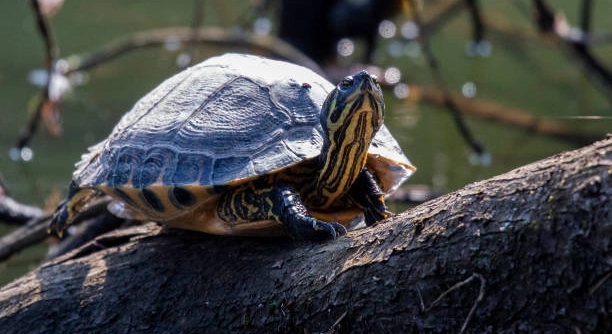
Adding rocks to your Yellow-Bellied Slider tank might seem like a small change, but it can make a big difference in your turtle’s environment. Let’s explore how this simple addition can benefit both your tank’s look and your turtle’s well-being.
Adding rocks to your Yellow-Bellied Slider tank offers several benefits, such as promoting natural behaviors, creating hiding spots, and improving water quality. They also help with basking and provide essential surface area for beneficial bacteria to grow.
These benefits can greatly improve your turtle’s habitat. Understanding how to use rocks effectively will ensure a balanced environment for your Yellow-Bellied Slider to thrive.
Improved Water Quality
Adding rocks to your Yellow-Bellied Slider tank can help improve the overall water quality. Rocks act as a natural filtration system by providing a surface for beneficial bacteria to grow. These bacteria help break down organic waste and maintain a healthier tank environment. Cleaner water not only benefits the turtle’s health but also reduces the need for frequent water changes. Rocks, especially porous ones, can absorb and trap debris, keeping it from floating around. The added filtration improves the tank’s biological balance, creating a more stable environment for your turtle to thrive.
Rocks also help maintain the water’s pH balance. By providing a surface for bacteria to establish colonies, they naturally help in breaking down harmful substances, leading to cleaner water overall.
Keeping the water clean is essential for the well-being of your Yellow-Bellied Slider. With better water quality, your turtle is less likely to suffer from skin issues or infections. The health of your turtle will improve, and you’ll have fewer water-related problems. Maintaining a clean, balanced tank also minimizes the growth of harmful algae. By adding rocks to the tank, you are helping to create an ecosystem that benefits both your turtle and the tank’s overall health.
Hiding Spots and Mental Stimulation
Rocks in the tank can provide hiding spots, which is important for your turtle’s mental stimulation. These areas allow your Yellow-Bellied Slider to feel secure, reducing stress and giving it space to retreat when needed.
Your turtle will likely seek shelter behind or beneath the rocks, replicating natural environments where they can hide and rest. In the wild, they often find safe places to escape from predators. A tank with rocks provides them with these same comforts. They’ll enjoy exploring the new spaces created by the rocks, which keeps them engaged and active.
Additionally, these hiding spots give your Yellow-Bellied Slider the chance to rest, especially after basking. Stress relief and a sense of security will lead to a happier and healthier turtle. The rocks also provide physical enrichment, encouraging your turtle to climb and explore. This kind of activity is beneficial for maintaining their physical and mental health.
Natural Basking Areas
Rocks in the tank create perfect basking spots for your Yellow-Bellied Slider. They allow the turtle to climb and get closer to the heat source, which is essential for proper digestion and overall health. A well-placed rock mimics the sunlit areas they would naturally use in the wild.
By adding rocks, you give your turtle a stable platform to dry off and soak up the warmth from its heat lamp. The rough surface of the rocks helps them grip better, so they can safely rest without slipping. Without a solid basking area, your turtle might struggle to maintain the proper body temperature, affecting its well-being.
A good basking spot is vital for your Yellow-Bellied Slider to regulate its body temperature. It also promotes the shedding of old skin and helps prevent respiratory issues. With the proper setup, rocks help your turtle bask comfortably and improve its overall health and behavior.
Aesthetics and Tank Design
Rocks also play a key role in the appearance of your Yellow-Bellied Slider’s tank. They can break up the monotony of a plain aquarium and create a more visually appealing habitat. Their natural textures and colors add depth, making your tank look more realistic and natural.
When designing the tank, rocks can be strategically placed to create areas of interest for both you and your turtle. The varied shapes and sizes allow for creative placement, giving your tank a more dynamic look. They also offer hiding spots and resting places, making the tank feel like a more complex ecosystem.
With the right arrangement, rocks enhance the tank’s aesthetic and contribute to a healthier environment. Their natural look complements the plants and water features in your tank, creating a more balanced and inviting space. This adds both beauty and functionality, ensuring your turtle has an enriching home.
Promotes Healthy Shell Growth
Rocks can help your Yellow-Bellied Slider maintain healthy shell growth. Climbing on and around rocks provides physical exercise, which is important for muscle and shell development. These activities simulate natural behavior, helping the turtle stay active and fit.
As your turtle climbs, it engages in physical activity that strengthens its muscles and promotes healthy shell development. Regular movement helps maintain shell strength and shape, preventing issues like soft shells or deformities. The variety of surfaces and angles that rocks provide encourages more natural movement, supporting the turtle’s overall health.
Additionally, the act of moving across different textures and elevations helps stimulate your turtle’s senses, leading to better overall well-being. It’s an easy way to add enrichment to their habitat that directly impacts their physical health.
Encourages Exploration
Rocks provide a stimulating environment for your Yellow-Bellied Slider to explore. They give the turtle new areas to investigate, helping to keep it active and curious. Exploration promotes mental stimulation, preventing boredom.
Your turtle will likely climb, hide, or swim around the rocks, which mimics natural behaviors. These activities prevent your turtle from becoming stressed or lethargic, helping it stay engaged with its environment. The more enrichment you provide, the healthier and happier your turtle will be. Adding rocks introduces variety to their surroundings, promoting an active lifestyle.
Surface Area for Bacteria
Rocks create surfaces where beneficial bacteria can grow. These bacteria help break down waste in the tank, keeping the water cleaner and healthier for your turtle. Rocks with porous surfaces are especially effective in this role.
The beneficial bacteria that grow on the rocks play a crucial part in maintaining a balanced ecosystem in your tank. They break down organic matter like uneaten food and turtle waste, helping to keep water quality stable. This reduces the risk of harmful bacteria and parasites, ensuring your turtle remains in a safe environment.
FAQ
Why should I add rocks to my Yellow-Bellied Slider’s tank?
Adding rocks helps to mimic a more natural environment for your turtle. They offer a place for hiding, basking, and climbing, which supports both physical and mental health. The presence of rocks also helps with water filtration by encouraging the growth of beneficial bacteria. This creates a cleaner, healthier habitat for your turtle.
Can I use any kind of rock in the tank?
It’s important to choose rocks that are safe for aquatic environments. Avoid sharp, brittle rocks that might break into smaller pieces and harm your turtle. Smooth rocks like river stones or slate are excellent choices because they’re less likely to damage your turtle’s shell. Make sure the rocks are also free of harmful chemicals that could leach into the water.
How do rocks help with my turtle’s shell health?
When your turtle climbs on rocks or moves across rough surfaces, it helps to build muscle strength, which supports its shell growth. This natural form of exercise also prevents soft shells or other deformities. It’s crucial for the turtle’s overall physical health and encourages movement in a way that mimics their behavior in the wild.
Will rocks affect the water quality?
Rocks can improve water quality when used correctly. Porous rocks allow beneficial bacteria to thrive, which breaks down organic waste like uneaten food or turtle droppings. This helps maintain a balanced tank environment. However, if the rocks aren’t cleaned regularly, they could accumulate debris and worsen water quality. It’s essential to maintain proper tank cleaning habits.
How often should I clean the rocks in the tank?
Cleaning rocks should be part of your regular tank maintenance routine. Typically, cleaning them once a month is sufficient, but if the rocks accumulate visible waste or algae, more frequent cleaning may be necessary. Use a soft brush to scrub off any buildup, and rinse them thoroughly with tank water to avoid introducing harmful chemicals.
Can I add too many rocks to the tank?
While rocks can be beneficial, adding too many can overcrowd the tank and limit swimming space. It’s essential to strike a balance between providing enough surface area for your turtle to climb and bask and ensuring there’s enough room for it to move freely. Overcrowding can lead to stress, which is not ideal for your turtle’s health.
Do rocks help with algae growth in the tank?
Rocks can contribute to algae growth if the tank has an excess of nutrients or is exposed to too much light. The surfaces of rocks can provide a place for algae to settle and grow. To prevent algae buildup, it’s important to monitor your tank’s light exposure and perform regular water changes. Cleaning the rocks periodically can help reduce excess algae.
What type of rocks are best for my turtle tank?
Smooth, non-toxic rocks like river stones, slate, or lava rocks are ideal. These materials are durable, safe for your turtle, and less likely to cause injury. Avoid using rocks with sharp edges or those that could release harmful chemicals into the water. When choosing rocks, ensure they are large enough to prevent accidental swallowing.
How do I set up the rocks in the tank?
The rocks should be arranged to create different levels for your turtle to explore. You can stack rocks to create a basking area, allowing your turtle to climb and get closer to the heat source. Avoid stacking them too high, as this could pose a danger if they topple over. Make sure the rocks are stable and secure.
Can rocks help with my turtle’s behavior?
Yes, rocks encourage natural behaviors like climbing, exploring, and basking. These activities provide mental stimulation and physical exercise, reducing the chances of boredom and stress. By offering new areas to explore, rocks can make your turtle’s environment more engaging, which leads to a happier and healthier turtle.
Are rocks necessary for a Yellow-Bellied Slider tank?
While rocks aren’t strictly necessary for the survival of your Yellow-Bellied Slider, they can significantly improve its living conditions. Adding rocks helps create a more natural, enriching environment that promotes better health and well-being. If you want to ensure your turtle thrives, incorporating rocks is a simple and effective way to enhance its habitat.
Final Thoughts
Adding rocks to your Yellow-Bellied Slider tank is a simple yet effective way to improve the overall environment. It provides both physical and mental benefits for your turtle. Rocks offer a natural place to climb, bask, and explore, which can help your turtle stay active and engaged. By mimicking their natural habitat, rocks allow your turtle to express behaviors that are essential for its well-being. This contributes to both its physical health and overall happiness.
In addition to the behavioral benefits, rocks also play a role in maintaining water quality. They provide surface area for beneficial bacteria to grow, which helps break down organic waste in the tank. This can lead to cleaner water and reduce the need for frequent water changes. When chosen and maintained correctly, rocks can help keep the water balanced and healthy for your turtle, reducing the risk of waterborne diseases or poor water quality.
It’s important to choose the right type of rocks for your tank. Not all rocks are suitable for aquatic environments. You should avoid sharp or brittle rocks that might harm your turtle. Smooth, non-toxic rocks like slate or river stones are great options. Always make sure the rocks are clean and free from harmful chemicals. With proper care and regular cleaning, rocks can significantly enhance your turtle’s tank, providing both functional and aesthetic value.

Hello,
If you enjoy the content that we create, please consider saying a "Thank You!" by leaving a tip.
Every little bit helps us continue crafting quality advice that supports the health, happiness, and well-being of pets around the world, for pets of all shapes, sizes, and species.
We really appreciate the kindness and support that you show us!