
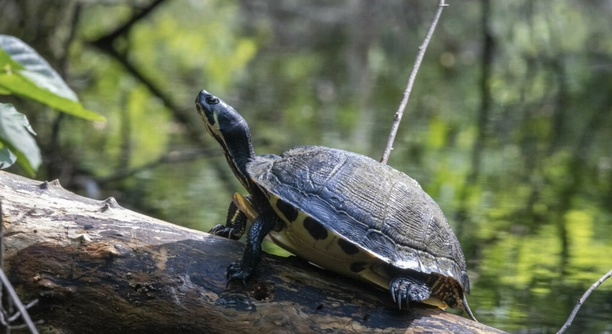
Yellow-bellied sliders are known for their curious behaviors, and one common action they may engage in is digging in the substrate. This behavior can leave pet owners wondering what it means and why it’s happening.
The primary reason your yellow-bellied slider may be digging in the substrate is to create a hiding spot or to lay eggs. Digging is a natural behavior often associated with nesting, but it may also occur due to environmental stressors.
Understanding why your turtle digs can help you provide a better environment for it. Read on to learn more about this behavior and how to address it.
Why Do Yellow-Bellied Sliders Dig?
Yellow-bellied sliders are known for their instinctive digging behavior. This action is often seen in both wild and captive turtles. In the wild, they dig to create a safe, cool space to rest or lay eggs. When kept as pets, digging may occur due to similar instincts. Female yellow-bellied sliders often dig when they are ready to lay eggs, but this can happen even without the presence of a male turtle. If a female feels the need to nest, she will seek out a substrate to dig in, whether in the tank or in outdoor enclosures. It’s essential to provide the proper environment to accommodate this natural behavior. Without a suitable place to lay eggs or dig, the turtle may experience stress, which could lead to other health issues.
They may also dig if the water temperature, lighting, or tank conditions are not optimal. Stress can trigger the digging, as the turtle looks for a way to relieve discomfort.
For pet owners, providing a suitable substrate, such as sand or soil, is crucial to mimic their natural habitat. This gives them a place to dig and bury themselves, making them feel more secure and comfortable. If the tank is too small or lacks the right setup, the turtle may continue to dig excessively.
Stress-Related Digging
If your turtle digs without any apparent reason, it might be trying to cope with stress. Turtles can experience stress due to poor water quality, inadequate lighting, or not enough space in their enclosure. Stress can also be caused by sudden changes in their environment, such as moving to a new tank. It’s important to keep the tank’s temperature and humidity levels within a comfortable range. Regular water changes are also necessary to keep the environment clean.
When a turtle feels unsafe or uncomfortable, it will often engage in behaviors like digging. Monitoring your turtle’s behavior and environment can help reduce stress and prevent excessive digging.
The Role of Substrate in Digging
The type of substrate in your turtle’s tank plays a significant role in its digging behavior. If the substrate is too hard or inappropriate, your turtle may become frustrated and dig more often. Sand, soil, or coconut husk are the best choices for allowing natural digging.
Having a soft, natural substrate gives your turtle the opportunity to dig and burrow, replicating the behavior it would display in the wild. Without the right substrate, the turtle may feel unsettled, leading to increased stress. Make sure the substrate is deep enough for your turtle to dig comfortably without feeling restricted.
Adding layers of sand or soil creates a more suitable environment. It’s important to ensure the substrate is cleaned regularly to prevent mold and bacteria buildup. A clean, well-maintained substrate reduces stress and supports your turtle’s natural instincts.
Egg Laying and Digging
Female yellow-bellied sliders dig as part of the nesting process. Even if no male is present, females have a strong instinct to prepare a spot for egg-laying. If the environment lacks a proper nesting area, she might dig repeatedly in an attempt to find a suitable place.
You can help by providing a nesting area in her enclosure, such as a separate container with a deep layer of soil or sand. When she feels she has an appropriate place to dig, the nesting behavior may be less frequent. Avoid disturbing her during this process to ensure she doesn’t feel stressed.
Providing a quiet, secluded area helps the turtle feel safe and comfortable when nesting. Keeping her habitat clean and private promotes healthy egg-laying behavior and ensures her overall well-being. Creating these conditions will minimize unnecessary digging and help her feel more at ease.
Temperature and Lighting Effects
The temperature and lighting in your turtle’s enclosure have a direct impact on its behavior. If the tank is too cold or too hot, the turtle may dig as a way to adjust or find comfort. Make sure the temperature is within the ideal range.
Providing appropriate UVB lighting is also essential. Lack of proper lighting can cause your turtle to feel stressed or disoriented, leading to digging. UVB light helps regulate the turtle’s metabolism and promotes overall health. Keeping both temperature and lighting in check ensures your turtle feels secure.
Overcrowding in the Tank
Overcrowding can contribute to stress in turtles, which may result in digging. If there are too many turtles in the tank, it may not only cause territorial disputes but also make the environment feel unsafe. Each turtle needs its space to feel comfortable.
Ensure your turtle has enough room to roam and bask without feeling cramped. If necessary, consider getting a larger tank or dividing the tank into sections to provide more privacy and space for each turtle. This will help reduce stress and unnecessary digging.
Monitoring for Health Issues
Sometimes, excessive digging can be a sign of a health problem. If your turtle is digging more than usual, it could be dealing with discomfort. Check for signs of illness, such as lethargy, loss of appetite, or changes in behavior. Addressing health issues promptly is key.
If you suspect your turtle is unwell, consult a veterinarian who specializes in reptiles. Identifying any underlying health concerns and providing appropriate care will prevent unnecessary digging. Keeping an eye on your turtle’s overall health is essential for its well-being.
FAQ
Why does my yellow-bellied slider dig so much?
Digging is a natural behavior for yellow-bellied sliders. It can be related to nesting, stress, or the desire to create a more comfortable environment. Female turtles often dig when they feel the need to lay eggs, even without a mate. In other cases, your turtle might dig to adjust its environment, especially if it feels uncomfortable or stressed. It could also dig if the substrate is not suitable or if the tank conditions are not ideal, such as poor water quality or incorrect temperature.
Is it normal for my turtle to dig at night?
Yes, it’s normal for turtles to dig at night, especially if they feel more active during these hours. Yellow-bellied sliders tend to be more active during dawn or dusk, and the cooler nighttime environment can trigger their natural instincts to dig. This behavior might also be related to them looking for a more secure place to rest. However, if the digging is excessive or seems to cause distress, you should examine their tank setup and ensure it meets all their needs.
How can I stop my turtle from digging?
To stop excessive digging, ensure that your turtle has a suitable and comfortable environment. If the turtle is female, she may simply be preparing to lay eggs. Providing an appropriate nesting area with soft, deep substrate can reduce unnecessary digging. If the digging seems to stem from stress, make sure that the temperature, lighting, and tank size are all suitable for your turtle’s needs. Regularly clean the tank and avoid sudden changes to the environment that may trigger further stress. Additionally, ensure that your turtle has adequate space to roam.
How deep should the substrate be for my turtle to dig in?
The substrate should be deep enough to allow your turtle to dig and burrow comfortably. For yellow-bellied sliders, a depth of 4-6 inches of sand or soil is usually recommended. This depth allows them to engage in natural behaviors like burrowing and laying eggs. If you have a female turtle that might lay eggs, a deeper substrate may be necessary to provide a proper nesting spot. The substrate should also be loose enough to allow for easy digging but stable enough to support the turtle’s weight.
Can the substrate be too soft for my turtle to dig in?
Yes, the substrate can be too soft for your turtle if it does not offer enough stability. While soft substrates like sand or soil are ideal for digging, they should not be so loose that they collapse easily or fail to support your turtle. If the substrate is too soft, it could make digging difficult or result in a stressed turtle who cannot create a secure place to rest. Make sure the substrate has a balance of softness and firmness to provide the proper conditions for your turtle to dig naturally.
How often should I change the substrate in my turtle’s tank?
It is important to change or clean the substrate regularly to maintain a clean and healthy environment. In general, you should clean the substrate weekly to remove waste and prevent harmful bacteria buildup. Depending on the type of substrate you use, you may need to replace it entirely every 1-3 months to ensure it remains effective. Substrates like sand or soil can absorb waste and moisture, so they may need replacing more frequently if they begin to smell or become too compacted. Regular maintenance of the substrate will keep your turtle’s living space comfortable and hygienic.
Can my turtle’s digging behavior indicate a health problem?
Excessive or unusual digging can sometimes signal a health problem, especially if it’s accompanied by other signs like loss of appetite, lethargy, or abnormal behavior. In some cases, a turtle may dig as a response to discomfort, such as from a shell infection, internal parasites, or other health issues. If you notice your turtle digging excessively and exhibiting signs of illness, it’s important to consult with a reptile vet to rule out any underlying health problems. Regular health checks and a proper environment are key to maintaining your turtle’s well-being.
What should I do if my turtle lays eggs?
If your yellow-bellied slider lays eggs in its tank, it’s important to provide a suitable nesting spot. Make sure the substrate is deep and soft enough to allow the female turtle to bury the eggs. After she lays them, you can either leave the eggs in place if she seems to be tending to them, or carefully remove them to an incubator if you want to hatch them. Ensure the incubation conditions are appropriate, with the right temperature and humidity levels, to allow for proper development. In some cases, if the turtle is not showing interest in laying eggs, it could be a sign that the tank setup needs adjustments.
Can yellow-bellied sliders dig outside of the tank?
Yellow-bellied sliders can dig outside of their tank if they are provided with a suitable environment. If you have a secure outdoor enclosure for your turtle, it may dig to create a safe space or lay eggs. It’s important to monitor the outdoor habitat to ensure it’s safe and that the turtle has adequate shelter and food. Be mindful of predators or other dangers in an outdoor environment. If you live in an area where the weather fluctuates significantly, bringing your turtle indoors during extreme temperatures can help prevent health issues.
How can I reduce the stress that causes digging?
To reduce stress, start by ensuring that your turtle’s enclosure is the right size and that it contains the necessary elements for a comfortable life. Maintain stable temperatures and lighting to avoid triggering stress. Clean the tank regularly to prevent bacteria buildup, and make sure the turtle has enough space to swim, bask, and hide. Avoid sudden changes to the tank setup, as this can lead to confusion and anxiety. Ensuring that your turtle feels secure will help minimize stress and reduce unnecessary digging behaviors.
Final Thoughts
Yellow-bellied sliders are fascinating creatures, and their behavior, like digging, is a natural part of their life. Whether they dig to create a comfortable environment, lay eggs, or adjust to stress, it’s important to understand why they do it. By carefully observing your turtle’s habits and adjusting the tank conditions, you can help minimize unnecessary digging and ensure they are healthy and comfortable. Offering them a proper substrate, sufficient space, and the right temperature and lighting can help provide the ideal environment for your turtle.
If digging becomes excessive or seems linked to health issues, don’t hesitate to seek advice from a reptile vet. Sometimes, digging may be a sign of underlying problems like discomfort or illness. It’s always better to address these concerns early, as early detection can prevent further complications. Keeping a close eye on your turtle’s overall well-being is key to maintaining its health and happiness in captivity. Providing a suitable environment and monitoring their behavior can help ensure that they feel secure in their home.
In conclusion, while digging is a common and natural behavior for yellow-bellied sliders, understanding its causes can help you create a more comfortable and safe habitat for them. Whether it’s for nesting, comfort, or stress relief, taking the right steps will allow your turtle to thrive. By adjusting the conditions of their tank and being mindful of their needs, you’ll promote a healthy and happy life for your yellow-bellied slider.

Hello,
If you enjoy the content that we create, please consider saying a "Thank You!" by leaving a tip.
Every little bit helps us continue crafting quality advice that supports the health, happiness, and well-being of pets around the world, for pets of all shapes, sizes, and species.
We really appreciate the kindness and support that you show us!