
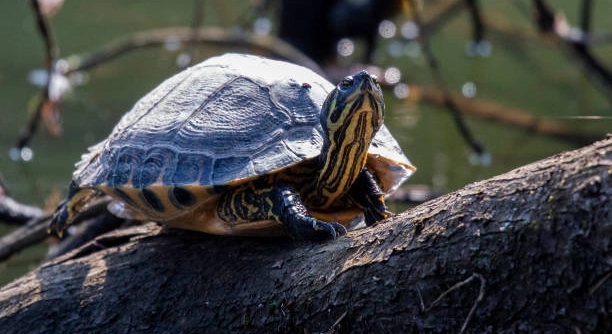
Yellow-bellied sliders are known for their distinct personalities and playful nature, and providing them with a balanced, varied diet is essential to their health and well-being. However, finding the right variety of foods can sometimes be challenging.
To introduce variety to your yellow-bellied slider’s diet, focus on providing a mix of vegetables, protein, and occasional fruits. Offer leafy greens like kale, dandelion, and romaine lettuce, and introduce live or frozen foods such as worms, shrimp, and fish.
Understanding how different foods contribute to your pet’s nutrition will help you create a healthier and more exciting feeding routine.
Leafy Greens and Vegetables
Yellow-bellied sliders thrive on a variety of leafy greens and vegetables. Kale, dandelion greens, and romaine lettuce are excellent choices. These offer essential nutrients like calcium and vitamins that are vital for shell health and overall well-being. Providing a mix of these greens helps keep your pet’s diet diverse and enjoyable. Try rotating these options to keep their meals fresh and interesting. It’s important to ensure that the vegetables are thoroughly washed to remove any pesticides or contaminants before serving them.
Leafy greens should make up the majority of your slider’s diet, as they are low in fat and high in nutrients. The key to offering a balanced diet is variety.
In addition to leafy greens, you can offer other vegetables like squash, bell peppers, and carrots. These options are rich in vitamins and minerals and provide different textures to keep your pet engaged. Cut them into manageable pieces that are easy for your slider to consume. Introducing new vegetables gradually allows your pet to adjust, reducing the risk of digestive upset. These vegetable options will not only add variety but also contribute to a healthier, well-rounded diet.
Protein-Rich Foods
Protein is an essential part of your yellow-bellied slider’s diet. Foods like worms, shrimp, and small fish provide the protein needed to support growth and maintain strong muscles. Protein-rich foods should be given occasionally, as overfeeding protein can lead to health issues like obesity.
To offer the best protein for your pet, use a variety of live or frozen options. Small fish such as minnows or guppies are easy to find at most pet stores. Be sure to choose species that are safe and appropriate for your slider’s size and age. Frozen shrimp or worms are excellent alternatives, and they are packed with nutrients that your slider needs.
While protein is vital, it’s important not to overdo it. A balanced diet includes the proper amounts of protein, but excessive amounts can cause kidney strain or other health problems. Keep protein-rich foods as an occasional treat to ensure that your slider receives the best of both worlds: nutrition and variety. By providing protein in moderation, you ensure a well-rounded, healthy diet for your yellow-bellied slider.
Fruits in Moderation
Fruits are a great addition to your yellow-bellied slider’s diet, but they should be offered sparingly. Fruits like strawberries, blueberries, and watermelon provide vitamins and hydration. Too much sugar, however, can lead to health issues, so keep portions small.
Introduce fruits gradually to see how your slider responds. Some turtles enjoy the texture, while others may not be as interested. Start by offering small pieces of fruit, and see if your slider shows any preference. Be mindful of the seeds, as they may pose a choking hazard.
You can also combine fruits with vegetables to create a more balanced meal. For instance, try offering a mix of watermelon with spinach or strawberries with dandelion greens. This approach not only ensures variety but also provides a wider range of nutrients. Be sure to remove any uneaten fruit to prevent spoilage and keep their living environment clean.
Calcium Supplements
Providing calcium is essential for your yellow-bellied slider’s shell health. Calcium supplements help support bone development and prevent soft-shell conditions. Powdered calcium is easy to sprinkle on their food, ensuring they receive the necessary amount.
Calcium is particularly important for sliders in the growth phase or those that spend more time in water. When choosing a supplement, opt for one that is specifically designed for reptiles. Over-supplementation can lead to other health issues, so stick to the recommended amount. You may also want to dust their food with calcium a few times per week rather than daily.
It’s essential to balance calcium with appropriate UVB light exposure. UVB light helps turtles absorb calcium, promoting stronger bones and shells. Without UVB exposure, even with supplements, your slider may struggle to use calcium properly. By providing both a balanced diet and proper lighting, you’ll help your yellow-bellied slider stay healthy and active.
Variety in Protein Sources
Offering different sources of protein is key to maintaining a healthy, balanced diet for your slider. Small fish, worms, and shrimp should be part of the rotation. By varying the types of protein, you help prevent nutritional imbalances.
Some sliders may prefer certain proteins over others, so it’s a good idea to try a mix of options. Fish like minnows are easy for your slider to eat, while worms provide the necessary moisture and nutrients. Offering a variety helps keep mealtimes interesting and promotes a well-rounded diet.
Proper Feeding Times
Feeding your yellow-bellied slider at the right times is just as important as what you feed them. Offer food once or twice a day, ensuring a consistent routine. Turtles can become stressed with irregular feeding schedules, which can impact their digestion.
Establishing a feeding routine helps your slider recognize when it’s time to eat. It also ensures that they do not overeat or under-eat, keeping their weight and health in check. Feed them during the warmer parts of the day, when they’re most active. The timing also ensures they have the energy they need to swim and explore their habitat.
FAQ
How often should I feed my yellow-bellied slider?
Yellow-bellied sliders should be fed once or twice a day, depending on their age and activity level. Younger turtles typically require more frequent feedings due to their higher energy needs, while adults can be fed once a day. A consistent feeding schedule helps regulate their metabolism and keeps them healthy.
Can I feed my yellow-bellied slider only vegetables?
While vegetables should form the bulk of your slider’s diet, they should not be the only food provided. Yellow-bellied sliders are omnivores and require both plant-based foods and protein sources like insects, fish, and worms. A balanced diet ensures they get all the essential nutrients.
Is it okay to feed my yellow-bellied slider fruits?
Fruits can be given to yellow-bellied sliders in moderation. They are a good source of vitamins and hydration, but too much sugar can lead to health problems. Small amounts of fruits like strawberries, watermelon, and blueberries are suitable. Always remove uneaten fruit to prevent spoilage.
What should I avoid feeding my yellow-bellied slider?
Avoid feeding your yellow-bellied slider high-fat or processed foods, as they can lead to obesity and other health issues. Do not offer dairy products, as turtles cannot properly digest them. Additionally, avoid feeding them wild-caught prey that may carry diseases or parasites. Stick to safe, reptile-friendly options.
How do I ensure my yellow-bellied slider is getting enough calcium?
Calcium is crucial for the health of your slider’s shell and bones. You can provide calcium by offering calcium-rich vegetables like collard greens, or by using a calcium supplement. Powdered calcium can be dusted on their food a few times a week. Make sure they also have access to UVB light, which helps them absorb calcium properly.
How do I know if my yellow-bellied slider is getting enough protein?
Yellow-bellied sliders need protein, but too much can cause health problems like kidney strain. Protein can come from various sources, such as worms, shrimp, and small fish. It’s important to vary the protein sources and provide them in moderation. A healthy slider will have a firm, smooth shell and show normal activity levels.
Can I feed my yellow-bellied slider live prey?
Yes, yellow-bellied sliders can be fed live prey like small fish, worms, or crickets. Live food provides natural protein and stimulates their hunting instincts. However, ensure the prey is safe and free from pesticides or contaminants. Live food should be offered in moderation, alongside vegetables and other nutrients.
What’s the best way to store food for my yellow-bellied slider?
Store your slider’s food properly to maintain its freshness. Vegetables should be kept in the fridge, ideally in a sealed container, to prevent wilting. Live or frozen food should be kept in a freezer or fridge according to package instructions. Make sure you remove any uneaten food after each feeding to keep their habitat clean.
How can I tell if my yellow-bellied slider is eating enough?
You can tell if your yellow-bellied slider is eating enough by observing their activity levels and weight. A healthy slider will be active and alert. Their shell should be firm and smooth, not soft or deformed. If your turtle is lethargic or losing weight, it may not be eating enough or may have a dietary imbalance.
Can I feed my yellow-bellied slider pellets?
Pellets can be part of your slider’s diet, but they should not be the sole food. Look for high-quality reptile pellets that are designed for aquatic turtles. Use pellets as a supplement to fresh vegetables, fruits, and protein. Pellets should not make up more than 25% of their diet.
How can I add variety to my yellow-bellied slider’s diet?
Variety is key to keeping your slider’s diet interesting and healthy. Rotate the vegetables, protein sources, and fruits you offer. Include a mix of leafy greens like kale and romaine, protein from fish, shrimp, and worms, and occasional fruits. This ensures they get a broad range of nutrients and keeps their meals exciting.
How do I prepare food for my yellow-bellied slider?
For vegetables, wash them thoroughly and cut them into manageable pieces. You can offer raw veggies like spinach, kale, and zucchini. For fruits, remove seeds and cut them into small pieces. Protein sources like shrimp or fish can be offered whole or chopped, depending on your slider’s size.
Final Thoughts
Caring for a yellow-bellied slider involves providing a well-rounded diet that includes both plant-based foods and animal protein. This balance is crucial for maintaining their overall health and well-being. Vegetables such as kale, collard greens, and dandelion greens should be a regular part of their diet. These provide essential vitamins and minerals that support their immune system, shell health, and digestion. Protein sources like fish, shrimp, and worms should also be offered to meet their nutritional needs.
Variety is important when feeding your slider. While it may seem simple to stick with one or two foods, incorporating different types of vegetables, fruits, and proteins helps prevent nutrient deficiencies. For instance, offering different types of leafy greens ensures a range of vitamins, while switching between fish and worms provides the necessary protein. Fruits can be offered in small amounts to add some sweetness and extra hydration to their diet. However, fruits should not make up a significant portion of their meals due to their sugar content.
Consistency in feeding times and portion sizes is also vital. It helps regulate your slider’s metabolism and keeps them on a healthy growth trajectory. Regularly offering food at set times ensures that your turtle doesn’t overeat or become malnourished. It’s also important to be mindful of supplements, such as calcium, to promote strong bones and a healthy shell. Keep their environment clean and remove any uneaten food to prevent spoilage. By offering a balanced and varied diet along with a consistent routine, you’ll be supporting your yellow-bellied slider’s long-term health.

Hello,
If you enjoy the content that we create, please consider saying a "Thank You!" by leaving a tip.
Every little bit helps us continue crafting quality advice that supports the health, happiness, and well-being of pets around the world, for pets of all shapes, sizes, and species.
We really appreciate the kindness and support that you show us!