
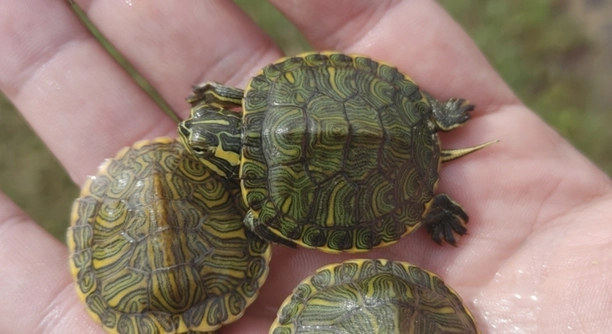
Yellow-bellied sliders are popular pets, known for their friendly nature and unique habits. Many owners want to know what to feed them to keep them healthy and happy. One common question is whether these turtles can eat peas.
Yellow-bellied sliders can safely eat peas in moderation. Peas are a nutritious option that provides essential vitamins and minerals, which can benefit the turtle’s overall health. However, they should not be the primary food source.
Feeding peas can be part of a varied diet, but it is important to understand how much and how often. This helps ensure your pet receives a balanced nutrition plan.
Benefits of Peas for Yellow-Bellied Sliders
Peas are rich in vitamins like vitamin C, which can boost your turtle’s immune system. They also provide fiber, supporting digestion, and minerals like calcium and potassium, which are essential for overall health. When fed occasionally, peas can be a good supplement to their diet. The natural sugars in peas give them energy, but too many could lead to an imbalance in their diet. Yellow-bellied sliders thrive on a variety of foods, including leafy greens, vegetables, and protein. So, peas can complement their meals when offered in moderation.
A healthy diet for your turtle should include a mix of plant-based foods and occasional animal protein.
By varying their diet, you can prevent nutrient deficiencies and ensure that your yellow-bellied slider receives all the necessary nutrients for growth and well-being. If peas are fed too often, they may become a less appealing food choice, leading to your turtle ignoring them. It’s essential to keep things interesting.
How to Serve Peas to Yellow-Bellied Sliders
Peas should be cooked and served without added salt, butter, or seasoning. Steam or boil the peas until soft and easy to eat. You can mash them up or offer them whole, depending on your turtle’s eating habits. Avoid giving raw peas, as they can be harder to digest.
While peas are a great treat, they should be just one part of a balanced meal plan.
Potential Risks of Feeding Peas
Feeding too many peas can cause digestive problems for your turtle. Peas are high in fiber, which in excess can lead to bloating or diarrhea. Additionally, their high sugar content can lead to weight gain if offered too frequently. For a healthy balance, it’s crucial to feed peas sparingly and vary the diet.
Yellow-bellied sliders can tolerate peas, but they should not make up the bulk of their diet. Instead, use peas as an occasional treat or part of a balanced mix with other vegetables and proteins. Too much of any single food can upset the balance of nutrients and affect your turtle’s health. The key is moderation.
If you notice that your turtle is avoiding other foods or experiencing digestive issues, consider reducing the amount of peas in their diet. It’s important to monitor how your slider reacts to different foods and adjust accordingly. Always consult with a veterinarian if you notice any health concerns.
Peas and Other Foods for Yellow-Bellied Sliders
A balanced diet is vital for your turtle’s health. Peas should not be the only vegetable you feed them. You can mix peas with leafy greens like collard greens, dandelion greens, or romaine lettuce. These provide a wider range of nutrients.
Offering a variety of foods keeps your turtle engaged and ensures they receive all the vitamins and minerals needed. Besides vegetables, consider occasional servings of animal protein like crickets or worms, which provide essential protein for muscle growth. The variety will help maintain your turtle’s health and make mealtime more interesting for them.
While peas are a good occasional addition, the key is to mix them with other healthy options. Variety in their diet leads to a stronger, healthier, and more active turtle.
How Often to Feed Peas
Peas should be fed to yellow-bellied sliders no more than once or twice a week. Offering them too frequently could lead to an unbalanced diet. It’s essential to alternate peas with other healthy foods to ensure your turtle gets a variety of nutrients.
By keeping peas as an occasional treat, you maintain a healthy feeding routine. Yellow-bellied sliders enjoy variety, so it’s best to offer different vegetables and proteins regularly to keep their meals exciting and nutritious.
Alternatives to Peas
Other vegetables can also be a great option for your turtle. Some suitable alternatives include carrots, squash, and bell peppers. These offer different nutrients and textures, contributing to a well-rounded diet. Always make sure to introduce new foods gradually.
Adding variety ensures your turtle doesn’t become picky. As long as the food is safe and appropriate for your turtle, they will benefit from the nutritional diversity it provides.
FAQ
Can yellow-bellied sliders eat frozen peas?
Yes, frozen peas can be a convenient option for feeding your turtle. However, make sure to thaw them before serving. Frozen peas retain most of their nutrients, but it’s important to avoid any added preservatives or seasonings. Frozen peas should be a rare treat rather than a regular part of their diet.
Are peas good for baby yellow-bellied sliders?
Peas can be given to baby yellow-bellied sliders in moderation, just like adult turtles. However, baby turtles need more protein in their diet for growth, so peas should not be their primary food. You can mix peas with other vegetables and protein sources to ensure they’re getting the right nutrients.
What other vegetables can yellow-bellied sliders eat?
In addition to peas, yellow-bellied sliders can eat various vegetables like collard greens, dandelion greens, kale, and zucchini. Leafy greens are especially important for their health, providing vitamins and minerals. Avoid giving too many high-starch vegetables, like potatoes or corn, as they can disrupt their digestive system.
Can yellow-bellied sliders eat peas every day?
It’s not recommended to feed peas every day. While peas are healthy in moderation, feeding them too often can lead to an unbalanced diet, especially since they contain higher sugar levels. Stick to offering peas once or twice a week, ensuring that other vegetables make up the majority of their diet.
What happens if yellow-bellied sliders eat too many peas?
Feeding too many peas can lead to digestive issues, such as bloating or diarrhea, due to their high fiber content. Overfeeding peas can also cause weight gain, as they are relatively high in sugar. It’s important to feed them in moderation to maintain a balanced diet and avoid these health issues.
Can yellow-bellied sliders eat peas with their shells on?
While the pea’s shell is edible, it’s best to remove it before feeding it to your turtle. The shell can be difficult for your slider to digest and may cause them discomfort. You can either mash the peas or serve them whole, ensuring they are soft and easy to eat.
Are peas a good source of protein for yellow-bellied sliders?
Peas do contain some protein, but they should not be relied upon as a primary protein source for your turtle. Yellow-bellied sliders require animal-based protein, such as worms, crickets, or fish, for muscle growth and overall health. Peas should be viewed as a supplementary vegetable, not a substitute for protein.
Can yellow-bellied sliders eat canned peas?
It’s not recommended to feed canned peas to your turtle. Canned peas often contain added salt, preservatives, or other ingredients that could be harmful to your turtle. Fresh or frozen peas are the best options for ensuring a healthy, nutritious meal.
How should peas be prepared for yellow-bellied sliders?
Peas should be cooked before being served to your turtle. Boil or steam them until they’re soft, and avoid using salt or other seasonings. Once cooked, you can serve the peas whole, mashed, or chopped into smaller pieces. Make sure to remove any tough skins or pods that may be difficult for your slider to digest.
Can yellow-bellied sliders eat peas if they have health problems?
If your yellow-bellied slider has any health issues, it’s best to consult a veterinarian before feeding peas or introducing new foods. In some cases, certain health conditions may require specific dietary adjustments. A professional can offer tailored advice based on your turtle’s individual needs and health status.
How often should I offer peas to my yellow-bellied slider?
Peas should only be offered occasionally—once or twice a week. Providing a varied diet of different vegetables, protein, and calcium sources is crucial for maintaining your slider’s health. Offering peas too frequently could lead to nutritional imbalances and prevent your turtle from receiving the nutrients it needs.
Can yellow-bellied sliders eat pea pods?
While pea pods are not harmful, they are not particularly nutritious for yellow-bellied sliders. The pods can be tough to digest and may cause gastrointestinal issues. It’s best to remove the pods and only feed the peas themselves to your turtle.
Can yellow-bellied sliders eat peas from their habitat?
If you have fresh, pesticide-free peas growing in your garden, they can be offered to your yellow-bellied slider. Make sure the peas have not been treated with any chemicals and are safe for consumption. However, it’s still important to offer a variety of other foods to your turtle for balanced nutrition.
Can peas cause kidney problems in yellow-bellied sliders?
There is no direct evidence to suggest that peas cause kidney problems in yellow-bellied sliders. However, overfeeding peas or any single food can lead to imbalances in their diet. Too much of any food can stress the kidneys and other organs, so moderation is key to maintaining overall health.
Final Thoughts
Feeding yellow-bellied sliders peas in moderation can be a healthy addition to their diet. These turtles thrive on a varied diet, and peas offer some beneficial nutrients, such as fiber and vitamins. However, peas should not be the main part of their meals. Too many peas can lead to digestive issues or weight gain, so it’s important to balance them with other vegetables and protein sources.
Variety is key when feeding your turtle. Besides peas, yellow-bellied sliders should be offered a range of greens like collard or dandelion leaves, as well as occasional animal protein like crickets or worms. These additions help ensure that your turtle gets all the essential nutrients for good health. By mixing up their food, you can keep mealtime interesting and meet their dietary needs.
Overall, while peas are a healthy treat, it’s essential to monitor how much you feed your yellow-bellied slider. Offering peas once or twice a week, along with a variety of other foods, will support your turtle’s well-being. Always observe your turtle’s reaction to new foods, and consult with a veterinarian if you have concerns about their diet or health.

Hello,
If you enjoy the content that we create, please consider saying a "Thank You!" by leaving a tip.
Every little bit helps us continue crafting quality advice that supports the health, happiness, and well-being of pets around the world, for pets of all shapes, sizes, and species.
We really appreciate the kindness and support that you show us!