
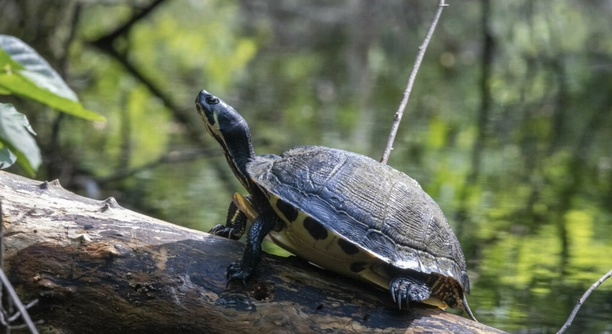
Yellow-bellied sliders are popular pets, but if yours is avoiding its food, it can be concerning. Understanding the reasons behind their behavior will help you find solutions and ensure your pet stays healthy and well-fed.
The main reason your yellow-bellied slider may be avoiding food is stress or environmental changes. Factors such as water temperature, habitat setup, or even changes in diet can contribute to this behavior. Additionally, illness or lack of appetite may be involved.
Knowing why your turtle isn’t eating will help you address the problem effectively. With the right steps, you can get your yellow-bellied slider back to a healthy feeding routine.
Common Environmental Stressors
When your yellow-bellied slider stops eating, the environment might be the issue. These turtles are sensitive to changes in water temperature, light, or humidity. If the water is too cold or too warm, it could affect their appetite. Turtles are also creatures of habit, so any recent changes in their habitat—like a new tank, filter, or lighting—could cause them stress, making them reluctant to eat.
Water temperature is one of the most important factors. Yellow-bellied sliders thrive in water between 75°F and 80°F. If the water dips below or rises above that range, your turtle may not feel comfortable enough to eat. Similarly, incorrect basking temperatures may interfere with their metabolism, leading to a decreased appetite.
Ensuring your turtle’s habitat is stable and within the recommended range will help reduce stress and encourage eating. Make sure your tank is set up correctly and check the water temperature regularly. It’s a simple adjustment that can make a big difference.
Illness and Health Issues
If your slider’s habitat checks out and the temperature is right, an illness might be the reason for their refusal to eat. Turtles can suffer from respiratory infections, parasites, or even shell rot, all of which can cause a lack of appetite.
If you notice any changes in behavior, such as lethargy, swollen eyes, or abnormal swimming patterns, it’s a sign that your turtle might be unwell. A veterinarian who specializes in reptiles should examine your turtle to rule out any health concerns. In some cases, illness can be treated with medication, but it’s crucial to act quickly to prevent further complications.
Proper care and early detection of illness will help ensure your turtle stays healthy and hungry. Keep an eye on your slider’s overall health and seek professional help if needed. By addressing these issues early, your turtle can return to its normal feeding habits.
Changes in Diet and Food Preferences
Yellow-bellied sliders can also become picky eaters. If you’ve recently changed the type of food offered, this could be a factor. These turtles tend to have strong preferences when it comes to their diet. If they don’t like the taste or texture of the food, they may refuse to eat it.
Try offering a variety of foods to see what your turtle prefers. You can also experiment with different preparation methods, such as cutting food into smaller pieces or offering live food like feeder fish. Additionally, avoid overfeeding, as this could result in a loss of interest in food altogether. Keep in mind that a healthy diet should include a mix of aquatic plants, high-quality turtle pellets, and occasional protein sources.
Being consistent with their food and offering a variety of choices will keep your slider interested in eating. If you notice your turtle consistently avoiding food, this could be a sign that it’s time to adjust its diet.
Overfeeding or Underfeeding
Feeding your yellow-bellied slider too much or too little can affect its appetite. Overfeeding can lead to a lack of interest in food, while underfeeding may leave your turtle too weak to eat. Finding the right balance is key.
It’s essential to offer food in appropriate amounts. A general guideline is to feed your slider once every other day, providing enough food that it can finish in about 15 minutes. This ensures your turtle isn’t overeating or going hungry. Adjust the amount based on your turtle’s size, age, and activity level.
Keep in mind that overfeeding can cause health issues like obesity, while underfeeding can lead to malnutrition. Finding the right feeding schedule and portion size will help your slider maintain a healthy appetite.
Handling and Stress
Handling your turtle too often can cause stress, which may make it avoid food. If your yellow-bellied slider feels threatened, it may stop eating altogether. To minimize stress, limit handling to only when necessary.
Stress can disrupt a turtle’s feeding routine. If your turtle is shy or easily startled, giving it space to relax is important. Ensure its habitat is a peaceful place where it can retreat and feel secure. Regularly changing the tank layout or exposing your slider to loud noises can also contribute to stress, so keep the environment calm and stable.
By reducing stress factors, you can help your turtle feel more at ease and regain its appetite. It may take some time, but your slider should feel comfortable enough to eat again.
Seasonal Changes
Seasonal changes can affect your turtle’s appetite. Yellow-bellied sliders naturally eat less during colder months, as their metabolism slows down. If the water temperature is too low, your turtle might eat less or stop altogether.
Ensure that the water is at a comfortable temperature, ideally between 75°F and 80°F. This will help maintain your turtle’s appetite during cooler months. Also, avoid stressing your turtle with any major changes during this time. Seasonal appetite reduction is normal, so monitor its behavior and adjust the feeding schedule accordingly.
Diet Quality
The quality of food you provide plays a role in whether your slider eats or not. If the food is stale or not nutritionally balanced, your turtle may not show interest. Use fresh, high-quality food to ensure it’s getting the nutrients it needs.
Offer a balanced mix of plant matter, protein, and high-quality turtle pellets. Fresh vegetables like collard greens, dandelion leaves, and carrots can help improve your turtle’s diet and stimulate its appetite. Avoid feeding processed or expired foods that can upset your turtle’s stomach or lead to poor nutrition.
Illness Prevention
Preventing illness is key to maintaining a healthy appetite in your yellow-bellied slider. Regularly cleaning the tank and ensuring proper filtration can help prevent bacteria build-up that might make your turtle sick. A clean environment promotes better health and encourages feeding.
Be sure to check your turtle’s shell for signs of injury or infection. An unhealthy turtle is more likely to lose interest in food. Keep the habitat free from harmful chemicals and toxins that could cause health problems.
FAQ
Why is my yellow-bellied slider not eating after I cleaned its tank?
After cleaning the tank, your turtle may be stressed from the changes in its environment. New smells, a different setup, or water changes can cause it to feel uneasy. Give your slider time to adjust to its fresh surroundings. Avoid handling it too much and ensure the water temperature is optimal. Sometimes, turtles may skip meals for a day or two, but if the behavior continues, check for other potential issues like water quality or illness.
Can I force my turtle to eat?
It’s not a good idea to force-feed your turtle. Force-feeding can cause more harm than good, stressing your pet further and possibly leading to injury. Instead, try offering its favorite foods in smaller portions. If the refusal to eat persists, consider consulting a veterinarian to check for underlying health issues. Patience is key when dealing with a turtle that’s not eating.
What are the signs that my turtle is sick?
Some common signs of illness in yellow-bellied sliders include lethargy, swollen or cloudy eyes, abnormal swimming patterns, or a lack of appetite. You may also notice changes in their shell, such as soft spots or discoloration. If your turtle displays any of these symptoms, it’s crucial to seek veterinary attention immediately. Illness can be the main reason behind their refusal to eat.
Is it normal for my turtle to stop eating when it’s cold outside?
Yes, it’s normal for yellow-bellied sliders to eat less or stop eating during colder months. These turtles are cold-blooded, meaning their metabolism slows down as temperatures drop. If the water temperature in the tank isn’t maintained at a warm level (around 75°F to 80°F), your turtle may not feel the urge to eat. You can provide a heat source to keep the environment comfortable and monitor its activity to ensure it’s still staying healthy.
How long can a yellow-bellied slider go without eating?
Yellow-bellied sliders can go without food for a few days to a couple of weeks, depending on their age, health, and environmental conditions. A healthy turtle with good body reserves may not eat for a short period. However, if your turtle refuses food for an extended time, it’s essential to identify the cause. Prolonged refusal to eat could indicate stress, illness, or an issue with the habitat.
Could my turtle’s food be the reason it’s not eating?
Yes, the food offered to your yellow-bellied slider might be a factor. Turtles can be picky eaters, especially when it comes to food preferences. If you’ve recently changed its diet or the food is stale or unappealing, your turtle may refuse to eat. Try offering a variety of fresh foods, such as leafy greens, aquatic plants, or live feeder fish, to tempt your turtle’s appetite. Ensure the food is properly prepared and age-appropriate for your turtle.
How do I know if my yellow-bellied slider is stressed?
Signs of stress in a yellow-bellied slider can include hiding in its shell for extended periods, abnormal swimming behavior, lack of interest in food, or biting at the water. Stress can also result from changes in the environment, like a move to a new tank, loud noises, or constant handling. To reduce stress, ensure a stable and quiet environment, with the proper water temperature and tank setup. If stress continues, consult a vet to rule out health issues.
Is it okay to leave my turtle without food for a day?
Yes, it’s generally okay to skip a feeding for a day. Yellow-bellied sliders can go without food for a short period without any harm. However, if your turtle refuses food for more than a few days, it’s important to investigate potential causes, such as stress, illness, or environmental issues. Be sure the tank conditions are optimal and that your turtle is not showing signs of illness. If problems persist, consult a veterinarian.
Can water quality affect my turtle’s appetite?
Water quality is crucial for your turtle’s health and appetite. Dirty or unfiltered water can cause health problems, leading to a decrease in appetite. Make sure to regularly clean the tank, change the water, and maintain the proper filtration system. Check the water’s pH, hardness, and temperature to ensure they meet the needs of your turtle. Poor water quality can also contribute to skin and shell problems, which could make your turtle less likely to eat.
What should I do if my turtle refuses to eat its pellets?
If your yellow-bellied slider is avoiding pellets, try switching to a different brand or offering them in smaller quantities. Some turtles prefer live food or fresh veggies over processed pellets. You can offer a variety of fresh foods, such as leafy greens, fruits, or small insects. Be sure that the pellets are fresh and not expired, as stale food can discourage your turtle from eating. If the refusal to eat persists, check for other potential causes like illness or stress.
Final Thoughts
If your yellow-bellied slider is avoiding its food, it can be frustrating, but it’s important to remain patient and observant. There are many possible reasons why your turtle may not be eating, ranging from environmental factors like water temperature and tank conditions to health concerns or stress. Understanding your turtle’s natural behavior and recognizing changes in its appetite can help you take the right steps to address the issue.
In many cases, a drop in appetite can be due to seasonal changes. Yellow-bellied sliders are cold-blooded creatures, so when the temperature drops, their metabolism slows down, and they naturally eat less. Providing a warm, comfortable habitat with appropriate water temperatures can help encourage feeding. Additionally, make sure the food you offer is fresh, nutritionally balanced, and appealing to your turtle. Sometimes, simply offering a variety of foods can reignite your turtle’s interest in eating.
However, if your turtle’s refusal to eat lasts more than a few days or is accompanied by other concerning symptoms, such as lethargy, swollen eyes, or abnormal behavior, it’s essential to consult a veterinarian. These could be signs of illness or injury that require professional care. Keeping your turtle’s tank clean, maintaining the right water quality, and reducing stress factors are key to creating an environment where your pet can thrive. By being proactive and attentive, you can help ensure your yellow-bellied slider stays healthy and happy.

Hello,
If you enjoy the content that we create, please consider saying a "Thank You!" by leaving a tip.
Every little bit helps us continue crafting quality advice that supports the health, happiness, and well-being of pets around the world, for pets of all shapes, sizes, and species.
We really appreciate the kindness and support that you show us!