
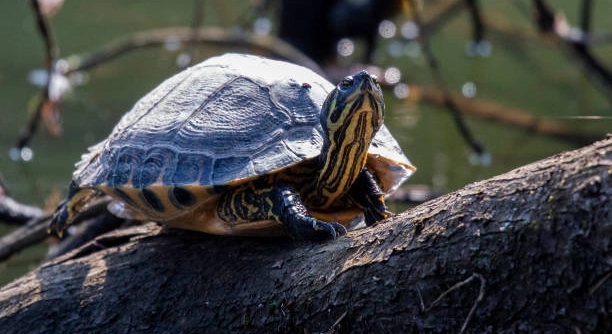
Yellow-bellied sliders are fascinating creatures, but it can be tricky to tell the difference between males and females. Knowing how to distinguish between the two can help you care for them properly.
The most noticeable differences between male and female yellow-bellied sliders include size, color, and physical features. Males tend to be smaller, with longer tails, whereas females are larger with shorter tails and more vibrant coloration.
Understanding these signs will help you recognize their gender easily, ensuring you provide the right care for each. Keep reading for more details on how to spot these differences.
1. Size Difference Between Male and Female Yellow-Bellied Sliders
One of the most noticeable differences between male and female yellow-bellied sliders is their size. Males are generally smaller than females, both in length and overall body size. While males typically grow to about 5-7 inches in shell length, females can reach up to 10-12 inches. This size difference can help you identify the gender of the turtle, especially when they are kept together. In addition to being larger, females often have broader and thicker bodies to accommodate their reproductive organs.
Males may look more streamlined, which can make them appear faster swimmers. This size difference can sometimes be tricky to spot in younger turtles, as they grow at similar rates initially. However, as they mature, their size difference becomes more apparent.
This size distinction becomes important when you are caring for them. Knowing whether your slider is male or female helps you create a proper environment for each turtle. Females, being larger, may need more space to thrive, while males tend to be more active.
2. Tail Length and Shape
Males of the yellow-bellied slider species have significantly longer tails compared to females. Their tails are also thicker and more curved. This characteristic becomes more evident as they reach maturity. Female turtles tend to have shorter, thinner tails.
The tail length and shape difference plays a significant role in identifying their gender. A long tail with a noticeable curve is a good indicator that your turtle is male. This feature is most noticeable when the turtles are fully grown, as juvenile sliders often have tails that look quite similar.
3. Claw Length
Males typically have longer claws than females. These longer claws are used in mating rituals. Males will extend their claws to attract a female by waving them in front of her face. This unique feature helps males stand out during courtship. Over time, you’ll notice the claws growing longer, especially on fully mature males.
Females generally have shorter claws since they don’t use them for mating displays. This distinction is more visible when comparing adults rather than younger turtles. Even though their claws are shorter, females tend to be more robust overall, which helps with egg production. As the males’ claws grow, they become easier to identify.
If you’re caring for both a male and female yellow-bellied slider, understanding this difference will help you identify them easily. Knowing this feature can also be important when observing behavior. Males may engage in claw waving and other courtship activities that are absent in females.
4. Shell Shape
The shell shape of male yellow-bellied sliders is more streamlined, while females have a more rounded, dome-like shell. This shape difference helps with identification, especially when both genders are housed together. The male’s shell is designed for quicker swimming, making it more flat and less bulky.
Females, on the other hand, have a rounder, more robust shell. This provides extra space for their reproductive organs. The larger, more rounded shell of a female is particularly noticeable when they are ready to lay eggs. The difference is usually visible in mature turtles, as younger turtles have similar shapes.
If you look at the turtle from above, the male’s flatter shell will look more streamlined. The female’s rounder shell will be more noticeable, especially when she’s carrying eggs. This characteristic is one of the easier ways to differentiate between the two genders.
5. Behavior During Mating Season
Males tend to display more active and assertive behavior during mating season. They will often chase females, exhibit claw waving, and engage in other courtship behaviors to get the female’s attention. This is a major distinction, as females remain more passive and focus on nesting and egg-laying.
Males are also more vocal during mating season, making noise to communicate with females. They will use their longer claws to attract females by repeatedly waving them in front of their face. This behavior can sometimes be seen even outside of mating season but is most prominent when they’re trying to find a mate.
Understanding these behaviors is useful when trying to identify males and females, especially in a shared environment. The male’s active courtship behavior is a clear indicator, setting him apart from the more reserved female.
6. Carapace Coloration
The color of a yellow-bellied slider’s carapace (top shell) can also help in identifying their gender. Males typically have darker, more muted colors, while females display brighter, more vivid hues. This color difference becomes noticeable as the turtles mature.
The darker color in males may help them blend into their environment, offering protection from predators. On the other hand, females’ brighter carapace hues might be related to their larger body size and need to attract mates. This coloration can vary based on environment and diet but tends to follow these general patterns.
7. Eye Color
Male yellow-bellied sliders often have more vibrant eye colors than females. Males usually have a bright red or orange ring around their eyes, while females tend to have more muted yellow or brownish eyes. This difference is visible once the turtles reach adulthood.
Eye color is not as easy to spot in younger turtles, but as they grow, the contrast between male and female eyes becomes more distinct. It’s a subtle yet effective way to differentiate between the two.
FAQ
How can I tell if my yellow-bellied slider is male or female when they’re young?
At a young age, it can be difficult to tell the difference between male and female yellow-bellied sliders because the physical characteristics that distinguish them become more apparent as they grow. However, there are a few subtle signs. Males may have slightly longer tails, even when young, but this difference is not obvious until they reach maturity. Another clue is that females tend to grow larger more quickly than males, though it may take time to notice the full difference. As your turtle matures, the differences in size, tail length, and claw size will become clearer.
Do female yellow-bellied sliders lay eggs without a mate?
Yes, female yellow-bellied sliders can lay eggs without a mate. This process is called “parthenogenesis,” where the eggs are not fertilized, but the female still lays them. In the wild, this typically happens when a female cannot find a mate, but it’s more common in captivity when environmental conditions are not conducive to mating. The eggs will not hatch without fertilization, but the female’s instinct to lay eggs remains. You may notice her digging or nesting behavior during this time.
Why are male yellow-bellied sliders so active during mating season?
Male yellow-bellied sliders are much more active during mating season because they are trying to attract a mate. They perform several courtship behaviors, including waving their long claws in front of a female’s face, chasing her, and making vocal sounds. The goal is to convince the female that he is a suitable mate. Males will often show more aggression toward other males as they compete for the attention of a female. This behavior is driven by their biological instinct to reproduce, making it a significant time for them.
Can I keep a male and female yellow-bellied slider together?
Yes, you can keep a male and female yellow-bellied slider together, but it’s important to monitor their behavior. If the male is too aggressive, especially during the mating season, he may stress out the female. In such cases, it may be necessary to separate them temporarily. In general, these turtles are social creatures, and as long as their space is large enough and they have plenty of hiding spots, they can coexist. It’s essential to ensure that both turtles have enough room to swim and bask without feeling crowded or stressed.
What should I do if my male yellow-bellied slider is constantly chasing the female?
If your male yellow-bellied slider is constantly chasing the female, it may be a sign of excessive mating behavior. This is typical during mating season, but it can also lead to stress for the female. To reduce stress, try providing the female with areas where she can retreat and rest away from the male. You could also consider separating the two turtles during this time if the behavior is causing harm or distress. Make sure both turtles have enough space, food, and hiding places so that the female can have moments of peace.
Do male yellow-bellied sliders have a higher metabolism than females?
Yes, male yellow-bellied sliders tend to have a slightly higher metabolism than females, especially during the breeding season. Males are generally more active, and their courtship behavior requires more energy. As a result, males may eat more frequently or display higher levels of activity compared to females. This is especially noticeable during the warmer months when the turtles are more active. If you’re caring for both a male and female, it’s important to ensure they each get the appropriate amount of food based on their individual needs.
Is there any way to prevent male yellow-bellied sliders from fighting each other?
If you have multiple male yellow-bellied sliders, they may fight, especially during the breeding season. To prevent fighting, ensure there is enough space for each turtle to establish its territory. Providing plenty of hiding spots, basking areas, and underwater spaces can help reduce territorial disputes. It’s also important to ensure the water quality and basking areas are clean, as unhealthy conditions can lead to added stress, which may result in fighting. If the fighting becomes severe, it may be necessary to separate the males to prevent injury.
How do I care for a female yellow-bellied slider during egg-laying season?
During egg-laying season, female yellow-bellied sliders need a safe, quiet, and comfortable environment to lay their eggs. You can help by providing a designated nesting area with moist soil or sand where she can dig. Ensure the habitat is quiet and stress-free, as this is a sensitive time for her. If you’re keeping a female slider in captivity, make sure she has access to a suitable place to lay eggs. If she doesn’t have a proper nesting area, she might become stressed or unable to lay her eggs. Keep the water and basking areas clean to maintain a healthy environment.
How can I tell if my female yellow-bellied slider is ready to lay eggs?
When a female yellow-bellied slider is ready to lay eggs, she may exhibit certain behaviors. She will often begin digging in her enclosure or searching for a place to lay her eggs. She may also become more restless and spend more time away from the water. It’s important to provide a nesting area with soft, moist soil or sand where she can dig. If she does not have a suitable spot, she may become stressed, and the eggs may not be laid properly. Keep an eye on her behavior, as this can be an indicator of when she’s about to lay eggs.
Final Thoughts
Recognizing the differences between male and female yellow-bellied sliders is important for anyone caring for these turtles. Knowing how to tell them apart allows you to provide the right care and attention to each one. The signs, such as tail length, claw size, and overall size differences, become more noticeable as they mature. While these distinctions might be subtle early on, they become clearer over time. Observing your turtle’s behavior can also give clues about its sex, particularly during mating season when males become more active. Keeping an eye on these traits will help ensure that you meet their needs, especially when it comes to space, food, and handling potential breeding behaviors.
While the differences between male and female yellow-bellied sliders are often visible as they grow, it’s important to note that both genders require similar care, including proper diet, habitat, and water conditions. The key is to make sure they have enough space to thrive. Keeping multiple turtles together can be a rewarding experience, but it also requires careful observation. Males, in particular, may display more aggressive behaviors during mating season. Understanding the biology of your turtles can help prevent stress and aggression among them, allowing for a healthier, more peaceful living environment. It’s also important to provide suitable areas for nesting if you have a female, as egg-laying can be an exhausting process.
Ultimately, whether you have a male or female yellow-bellied slider, the goal is to create a healthy and comfortable environment for them. Knowing the signs that indicate the sex of your turtle will help you adjust your care routine when necessary. It’s important to respect their natural behaviors, such as mating and nesting, while also providing the space and peace they need to stay healthy. By observing their physical and behavioral characteristics, you can ensure your yellow-bellied sliders lead happy, active lives in their habitat.

Hello,
If you enjoy the content that we create, please consider saying a "Thank You!" by leaving a tip.
Every little bit helps us continue crafting quality advice that supports the health, happiness, and well-being of pets around the world, for pets of all shapes, sizes, and species.
We really appreciate the kindness and support that you show us!