
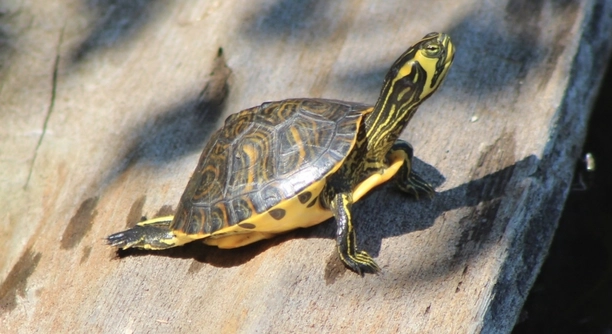
Proper filtration is crucial for the health of your yellow-bellied slider. A clean tank ensures that your pet thrives by maintaining a healthy aquatic environment. Keeping the water clean is essential to their well-being.
Improving filtration for yellow-bellied sliders involves choosing the right filter, adjusting water flow, and cleaning the filter regularly. A filter that matches the tank size and type will effectively remove debris, keeping the water clear and safe.
Taking these steps will help you maintain a healthy environment for your turtle. With the right care, your yellow-bellied slider will enjoy a better habitat for years to come.
Choose the Right Filter for Your Tank Size
Selecting the right filter for your yellow-bellied slider is key. The filter should be rated for the size of your tank to ensure effective filtration. A filter that is too weak will not remove enough debris, leading to dirty water. On the other hand, a filter that’s too powerful can create strong currents that may stress your slider. It’s important to choose a filter that matches both your tank size and your turtle’s needs. Canister filters, for example, are highly efficient for larger tanks, while internal filters work well for smaller setups.
To determine the right filter, consider the tank’s volume and your slider’s behavior. A filter rated for double the size of your tank will provide extra power without creating unnecessary turbulence. You can also find filters designed specifically for turtle tanks, as they help remove both solids and waste products effectively.
Ensure that the filter is capable of handling the organic waste that yellow-bellied sliders produce. A filter that can manage both fine debris and larger waste will ensure clean water and a healthy environment for your pet.
Adjust the Water Flow
Water flow is an important consideration when setting up your turtle’s filtration system. Too much water movement can make it difficult for your yellow-bellied slider to navigate. Reducing the flow rate is an easy adjustment for maintaining a calm and stable environment.
Sliders do not like fast-moving water. If the filter is causing too much turbulence, adjust the flow to a slower setting or use a pre-filter sponge. This helps keep the water clean while maintaining a comfortable living space for your turtle. A steady, low-flow current encourages your slider to swim and explore without stress.
Clean Your Filter Regularly
Cleaning your filter regularly is crucial for its effectiveness. Over time, debris and waste build up, making the filter less efficient. A dirty filter can cause water quality to drop, leading to potential health issues for your yellow-bellied slider. Make sure to clean it every few weeks to keep it running smoothly.
Start by turning off the filter and removing it from the tank. Rinse the filter media with aquarium water to avoid killing beneficial bacteria. Clean the filter parts thoroughly to ensure optimal performance. If you notice a drop in water flow or cloudy water, it might be time for a deeper clean.
Routine cleaning not only helps maintain good water quality but also extends the life of your filter. A well-maintained filter ensures the water stays clear and healthy for your slider, preventing unnecessary strain on the system. Keeping a cleaning schedule helps prevent future issues and promotes a stable aquatic environment.
Monitor Water Quality
Monitoring the water quality in your turtle tank is an essential part of filtration. Even with a good filter, it’s important to keep an eye on factors like pH, ammonia, and nitrate levels. Regularly testing your water will help you catch any issues early.
Test kits for water quality are easy to use and provide instant feedback on your tank’s health. You should aim to maintain neutral pH levels for your yellow-bellied slider. Ammonia and nitrates should be kept to a minimum to ensure a safe environment. High levels of these can harm your turtle and affect the filtration system’s ability to clean effectively.
You can also perform regular water changes to refresh the tank, especially if the levels are off. This helps prevent waste from building up and keeps the system in balance. Monitoring water quality is one of the most effective ways to ensure the health of your slider.
Use Pre-Filter Sponge
Adding a pre-filter sponge is an easy way to improve filtration. It catches larger debris before it reaches the filter, preventing clogging and reducing the amount of waste your filter has to handle. This can help keep the water clearer for longer.
Pre-filter sponges are particularly useful in turtle tanks, where waste can accumulate quickly. Simply attach the sponge to the intake tube of your filter. It helps trap debris like uneaten food, feces, and plant matter. Be sure to rinse it regularly to avoid blockages and keep the filter running efficiently.
Set Up a Separate Filter for the Basking Area
Installing a separate filter for the basking area ensures that the water around your slider stays clean even when it’s out of the water. This prevents waste from accumulating in the basking area, making it easier to maintain water quality across the whole tank.
A separate filter for the basking area helps keep the tank’s water cleaner, as it prevents contaminants from mixing with the main water body. It’s important to choose a filter designed to handle the smaller, localized area, and clean it regularly to maintain filtration efficiency.
Avoid Overfeeding Your Slider
Overfeeding can lead to more waste in the tank, which can overwhelm the filtration system. Monitor how much food your yellow-bellied slider is eating and adjust portions accordingly. Excess food can quickly lead to a dirty tank and affect water quality.
FAQ
What type of filter is best for a yellow-bellied slider?
For a yellow-bellied slider, a canister filter or an external filter is often the best choice. These filters provide strong filtration and are capable of handling the large waste load produced by turtles. A filter rated for double the size of your tank ensures that it is powerful enough to maintain good water quality.
If you have a smaller setup, an internal filter can also work well. These filters are easy to install and clean, though they may not offer as much power as a canister filter. The key is to choose a filter that can handle both solid and fine debris, while keeping the water flow gentle enough for your turtle.
How often should I clean my filter?
It’s important to clean your filter every 2 to 4 weeks to prevent it from getting clogged and losing efficiency. If you notice that water flow decreases or the water becomes cloudy more quickly, it might be time to clean the filter. Make sure to rinse the filter media with aquarium water to avoid damaging beneficial bacteria.
If you have a heavily stocked tank or your yellow-bellied slider produces a lot of waste, cleaning the filter more often may be necessary. Regular maintenance ensures your filter remains effective at keeping the water clean and clear.
Can I use a filter without a pre-filter sponge?
Technically, you can use a filter without a pre-filter sponge, but it may not be as efficient. A pre-filter sponge helps trap large debris like uneaten food, feces, and plant matter before it reaches the filter. Without it, the filter has to work harder to clean the water, which can lead to faster clogging and reduced filtration efficiency.
In addition, using a pre-filter sponge helps maintain the life of your filter by preventing large debris from getting into the system and causing damage. It is an inexpensive and easy way to improve the overall filtration of your tank.
Is it necessary to have a separate filter for the basking area?
Having a separate filter for the basking area is not strictly necessary, but it can help keep the tank cleaner. The basking area often collects waste from your yellow-bellied slider, which can affect the overall water quality if left untreated. A separate filter ensures that debris in the basking area is filtered out without impacting the water flow in the rest of the tank.
If you notice that your turtle spends a lot of time basking, and waste accumulates in that area, a separate filter can make maintenance easier. It prevents the buildup of debris and ensures the water around the basking spot remains clean.
How can I control the water flow for my slider?
Controlling the water flow is important because yellow-bellied sliders don’t like strong currents. To adjust the flow, you can use a filter with an adjustable flow rate. If your filter doesn’t have this feature, you can attach a valve to reduce the flow or use a pre-filter sponge to slow the water.
You can also try positioning the filter’s intake tube to reduce the current or use decorative items like rocks or plants to disrupt the water movement in certain areas. By adjusting the flow, you can make your turtle’s environment more comfortable and stress-free.
What should I do if the water in my tank is still cloudy despite having a filter?
Cloudy water can be a sign of several things, including a filter that isn’t strong enough, overfeeding, or an imbalanced water chemistry. Check the filter to ensure it’s properly maintained and rated for your tank size. If it’s clogged or underperforming, it may need a cleaning or replacement.
If your filter is working fine, test the water for ammonia, nitrates, and pH levels. Cloudy water can also be caused by a bacterial bloom, often triggered by an excess of organic waste. Regular water changes and a reduction in feeding can help clear up the water.
How can I reduce waste buildup in the tank?
The best way to reduce waste buildup is to avoid overfeeding your yellow-bellied slider. Feed only what your turtle can eat in 15 minutes, and remove any uneaten food promptly. Excess food is a primary contributor to waste accumulation.
Also, keep up with regular water changes. Remove any visible waste and debris from the tank using a siphon or a gravel vacuum. This helps reduce the load on the filter and keeps the water cleaner for longer. Monitoring water quality and adjusting feeding habits will go a long way in maintaining a clean tank.
What water temperature is best for my slider?
Yellow-bellied sliders thrive in water temperatures between 75°F and 80°F (24°C to 27°C). Keeping the water within this range promotes healthy digestion and overall activity. If the water is too cold, your turtle may become lethargic, and if it’s too hot, it can cause stress.
To maintain the right temperature, use a reliable aquarium heater and thermometer. Make sure the heater is appropriately sized for the tank to avoid overheating or underheating the water. Consistency is key, so avoid large temperature fluctuations.
How can I keep my slider’s tank clean without a lot of effort?
To keep the tank clean with minimal effort, perform regular water changes and clean the filter on a consistent schedule. Avoid overfeeding your yellow-bellied slider, as excess food contributes to waste buildup.
Using a pre-filter sponge and ensuring the filter is suitable for your tank size also reduces maintenance. Additionally, adding live plants to the tank can help with water quality by absorbing excess nutrients and providing natural filtration. Regularly remove visible waste from the tank to keep the water clear.
Final Thoughts
Maintaining good filtration for your yellow-bellied slider tank is essential for their health and the clarity of the water. These turtles are active swimmers and produce a significant amount of waste, so the filter plays a crucial role in keeping the tank clean. By selecting the right filter, adjusting water flow, and using additional tools like pre-filter sponges or separate filters for the basking area, you can improve the filtration system and reduce the effort required for tank maintenance. It’s important to choose a filter that is strong enough for the size of the tank and the level of waste your turtle produces.
Regular maintenance is key to ensuring that the filter works efficiently. Cleaning the filter every few weeks, monitoring the water flow, and checking water quality can prevent the buildup of debris and help maintain a healthy environment for your slider. Removing excess food, cleaning the tank, and testing the water regularly can also reduce the strain on the filter and improve the overall water quality. While it may seem like a lot of work, these simple steps will make a big difference in the health of your turtle and the appearance of your tank.
Ultimately, the right filtration system can help keep your yellow-bellied slider happy and healthy for many years. By following the tips provided in this article, you can improve the filtration in your turtle’s tank, making it easier to maintain and more enjoyable for your pet. With a little effort, you’ll have a clean, clear tank that your slider can enjoy.

Hello,
If you enjoy the content that we create, please consider saying a "Thank You!" by leaving a tip.
Every little bit helps us continue crafting quality advice that supports the health, happiness, and well-being of pets around the world, for pets of all shapes, sizes, and species.
We really appreciate the kindness and support that you show us!