
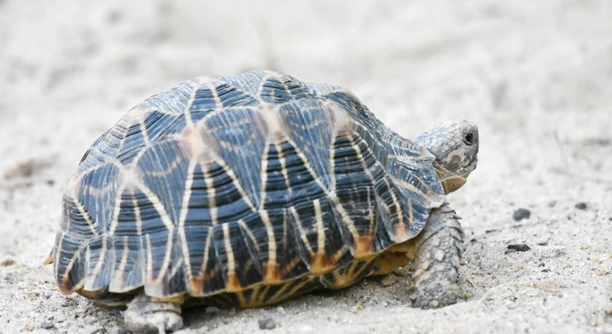
Turtles are fascinating creatures, and they often show odd behaviors that can cause concern. One issue many turtle owners face is their turtle’s tail getting stuck in its shell. Understanding this phenomenon is key to addressing it.
The main reason a turtle’s tail might get stuck in its shell is due to stress or injury. It can also occur when a turtle is overly defensive or feels threatened. Examining your turtle’s environment and behavior can help identify the underlying cause.
Ensuring your turtle’s environment is comfortable and stress-free will prevent this issue. By learning about the potential causes, you can help your turtle live a healthy, stress-free life.
Why Does a Turtle’s Tail Get Stuck in Its Shell?
There are a few reasons your turtle’s tail might get stuck in its shell. It can happen when a turtle is under stress, which might make it feel defensive. Turtles instinctively hide parts of their bodies, like their tails, when they feel threatened. It can also happen if your turtle has suffered an injury, causing it to be more protective. Another reason could be environmental issues, like a tank that is too small or too crowded. Any of these can lead your turtle to tuck its tail into its shell, sometimes causing it to get stuck.
If your turtle’s tail remains stuck, it can cause discomfort and may even lead to injury. Stress and injuries should be addressed quickly. Ensuring your turtle has enough space and feels safe can prevent this from happening again.
By closely observing your turtle’s behavior, you can identify if stress is the issue. A calm and spacious habitat is essential for your turtle’s well-being. Creating a safe space is the first step to solving this problem.
How to Help Your Turtle’s Tail
First, check your turtle’s environment. It should be spacious enough for your turtle to move around comfortably. If your turtle seems to be under stress, try removing any potential threats or anything that might cause fear. Stress is often linked to a sense of insecurity, so providing hiding spots and creating a peaceful environment can help.
Next, you should monitor the turtle’s behavior. If the tail remains stuck or your turtle is acting unusually, it might be a sign of an injury. In this case, try gently checking the tail to see if it’s physically blocked or swollen. Sometimes, an injury can cause the tail to become trapped. Consulting a vet will be essential if you notice signs of injury or if the tail is unable to come out of the shell.
Checking for Injury
If your turtle’s tail is stuck, first check for any signs of injury. Gently inspect the area for swelling, cuts, or bruising. Injuries can occur if the turtle’s tail is caught on something sharp or if it has been in a stressful situation.
Injuries to the tail or shell should not be taken lightly. If you find that your turtle has a visible injury, it’s important to act quickly. Apply a mild antiseptic to any cuts or scrapes, and monitor your turtle’s behavior. A prolonged injury can cause infection, leading to further complications. If your turtle seems to be in pain or has difficulty moving its tail, this is a sign that immediate attention is needed.
In case of a more serious injury, you should seek professional help. A vet will be able to assess the situation and provide proper treatment to prevent any further harm. Sometimes a simple injury can escalate into a bigger problem if left untreated, so don’t hesitate to get help.
Examining Tank Conditions
Your turtle’s living environment can significantly affect its health. If the tank is too small, overcrowded, or has poor water quality, it can lead to stress and make your turtle more likely to hide its tail. Consider giving your turtle a larger space to reduce anxiety.
A clean tank is essential for your turtle’s well-being. Ensure the water is properly filtered and kept at the correct temperature. Poor water quality can cause stress, skin issues, and even infection. Additionally, overcrowding can also make your turtle feel unsafe, increasing the likelihood of it retreating into its shell. Providing enough space and a clean environment is crucial for your turtle’s comfort.
Reducing Stress
Stress is a major factor that could cause your turtle’s tail to remain stuck in its shell. Loud noises, excessive handling, or a new environment can all contribute to stress. By minimizing these triggers, you can help your turtle feel more secure.
Creating a peaceful and quiet environment for your turtle is key. Limit noise and avoid moving the tank too frequently. It’s important not to handle your turtle too often, especially if it is already stressed. Give it time to adjust to its surroundings, and ensure it has hiding spots where it can feel safe and protected.
Providing Hiding Spots
Turtles naturally seek shelter when they feel threatened. By offering hiding spots in the tank, you can help reduce their stress. This makes them feel secure and less likely to tuck their tail inside their shell.
A simple way to provide hiding spots is by adding rocks, plants, or small caves. These will give your turtle places to retreat to when it feels the need. A secure and safe environment helps reduce anxiety and encourages more natural behavior, which can prevent the tail from becoming stuck.
FAQ
Why does my turtle hide its tail?
Turtles often hide their tail as a defense mechanism when they feel threatened. It’s a natural instinct to protect vulnerable parts of their body, like their tail. Stress, a new environment, or feeling unsafe can cause your turtle to retreat into its shell. If this behavior is persistent, it’s essential to check for any changes in its environment or routine. A calm, stress-free habitat can help encourage your turtle to feel more secure.
Can I fix a turtle’s tail if it’s stuck?
If your turtle’s tail is stuck in its shell, first assess the situation. If it is a minor issue, gently try to coax the tail out by providing a more comfortable and safe environment. Do not force the tail out as it could cause injury. If it doesn’t improve, or if the tail seems injured, it is best to consult a vet. Professional help can ensure that your turtle’s tail is properly treated and that no further harm is done.
Is it normal for a turtle’s tail to be stuck in its shell?
It is not uncommon for turtles to tuck their tails into their shells, especially when they feel stressed or threatened. However, if the tail remains stuck for a long time or if the turtle seems in discomfort, it could indicate a problem. The issue may be related to stress, injury, or environmental factors like a too-small tank or poor water quality. Keep an eye on your turtle, and if the problem persists, it may be time to seek expert advice.
What should I do if my turtle is stressed?
Stress in turtles can manifest in different ways, including hiding its tail or becoming lethargic. To help reduce stress, ensure that your turtle’s tank is large enough, clean, and free of disturbances. Keep the water temperature consistent and provide places to hide, such as plants or rocks. Additionally, avoid unnecessary handling of your turtle. If you have recently introduced changes to its environment, allow some time for adjustment. A calm, peaceful environment will help your turtle feel more secure.
Can improper diet cause a turtle’s tail to be stuck?
An improper diet may not directly cause a turtle’s tail to become stuck in its shell, but it can contribute to overall health issues, which might make your turtle more vulnerable to stress or injury. A lack of proper nutrients could lead to weakened immune function or unhealthy skin. This could affect the turtle’s ability to move freely or maintain its shell properly. Ensuring a balanced diet with the right amount of protein, vegetables, and calcium is essential for your turtle’s overall health.
How do I know if my turtle is injured?
If your turtle seems to have its tail stuck or is behaving differently, check for any visible signs of injury. Look for cuts, swelling, or bruising on the tail, shell, or limbs. If your turtle is moving abnormally or seems to be in pain, there may be an injury that requires attention. You should also monitor for any signs of infection, like redness or discharge. If there is any doubt, it’s best to take your turtle to the vet for a proper assessment.
Can a dirty tank cause my turtle’s tail to get stuck?
Yes, a dirty tank can lead to stress and health issues for your turtle, which may cause it to hide its tail. Poor water quality, debris, or harmful bacteria can make your turtle uncomfortable, leading it to retreat into its shell. It’s essential to keep the tank clean and the water properly filtered. Regular water changes and cleaning the tank can help ensure your turtle remains healthy and stress-free.
Why is my turtle’s tail always in its shell?
If your turtle’s tail is constantly in its shell, it could be due to stress, fear, or injury. It’s normal for turtles to hide parts of their body when they feel threatened, but if this behavior is consistent, it may be a sign of an underlying issue. Environmental factors such as overcrowding, inadequate space, or unclean water could also make your turtle feel unsafe. Check its habitat and make sure it has enough space to move around. Providing hiding spots and reducing stress can help.
How can I improve my turtle’s living space?
Improving your turtle’s living space is essential for its overall health. Ensure the tank is large enough for your turtle to move around comfortably. Add hiding spots like plants, rocks, or caves where your turtle can retreat if it feels threatened. Keep the water clean and filtered, with the proper temperature. Regularly check the water parameters, such as pH and ammonia levels, to ensure they are within safe ranges. A well-maintained, spacious environment will reduce stress and improve your turtle’s well-being.
When should I seek professional help for my turtle?
If your turtle’s tail remains stuck for an extended period or if you notice any signs of injury or infection, it’s important to seek professional help. A vet can assess your turtle’s condition and determine the best course of action. Also, if your turtle shows signs of prolonged stress, difficulty moving, or eating problems, it’s best to get an expert’s opinion. Early intervention can prevent more serious health issues and ensure your turtle stays healthy.
Final Thoughts
If your turtle’s tail is stuck in its shell, it can be concerning, but in many cases, it’s a sign of stress or discomfort. Understanding the root causes can help you address the issue effectively. Turtles, like many animals, rely on their instincts to protect themselves, and hiding parts of their body is a natural defense mechanism. Stress, changes in their environment, or health issues can all lead to this behavior. By paying attention to the factors in your turtle’s habitat, you can make adjustments to reduce stress and improve their overall well-being.
Taking care of your turtle’s environment is one of the most important steps you can take. Ensuring your turtle has a clean, spacious, and quiet space can help them feel safe. Regular tank maintenance, such as water changes, temperature checks, and filtration, is essential to keeping your turtle healthy. Providing hiding spots can help your turtle feel secure, as these offer safe retreats when it feels threatened. Limiting handling and sudden changes to its environment also reduces the chances of stress. A relaxed turtle is more likely to behave naturally and keep its tail out of its shell.
If you’ve made all the necessary adjustments and your turtle’s tail still seems stuck or injured, it may be time to consult a veterinarian. A vet will be able to check for any underlying health issues, such as infections or injuries that could be causing the problem. If your turtle is stressed, a vet might also suggest ways to calm it down or provide tips for improving its living conditions. By addressing the issue early, you can ensure your turtle leads a healthy, comfortable life.

Hello,
If you enjoy the content that we create, please consider saying a "Thank You!" by leaving a tip.
Every little bit helps us continue crafting quality advice that supports the health, happiness, and well-being of pets around the world, for pets of all shapes, sizes, and species.
We really appreciate the kindness and support that you show us!