
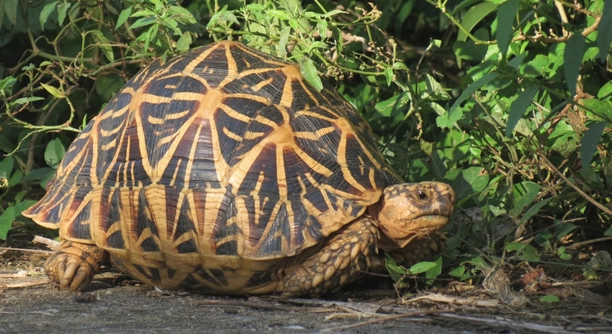
Turtles enjoy exploring their habitats, but sometimes they can get stuck in decorations. This can be frustrating for both you and your pet. Ensuring a safe environment for your turtle requires some simple precautions.
The best way to prevent your turtle from getting stuck in decorations is by choosing safe, well-designed tank accessories. Avoid sharp edges, overly intricate pieces, and ensure that all items are securely placed. Regularly check for any potential hazards.
By considering these steps, you can create a safer environment. This will help your turtle navigate its habitat comfortably, reducing stress and preventing injury. Keep reading for tips on how to make your turtle’s home safe and enjoyable.
Choose Simple and Secure Decorations
When setting up your turtle’s tank, simple decorations work best. Avoid pieces that have sharp edges, intricate designs, or loose parts. These can easily trap your turtle, leading to unnecessary stress or injury. It’s important to ensure that decorations are not only safe but also easy for your turtle to move around. Larger pieces should be anchored securely, so they don’t shift, creating potential obstacles. Think about how your turtle will interact with each decoration and choose materials that are smooth and easy to navigate.
One of the simplest ways to ensure safety is to keep your tank setup as open as possible. Overcrowding the tank with decorations can limit your turtle’s space, making it easier for them to get stuck. The more open the area, the easier it is for your turtle to move freely without encountering hidden hazards.
A smooth, well-organized setup helps avoid any unfortunate situations. The fewer objects there are in the tank, the more accessible it becomes for your turtle. Keep it simple and always inspect your decorations for any signs of wear or damage. A small change or break can quickly turn into a problem.
Regular Maintenance is Key
Checking your turtle’s tank regularly is important. Decorations should be cleaned and inspected for cracks, loose parts, or anything that could cause harm. If you notice anything potentially dangerous, remove it immediately to ensure your turtle’s safety.
This maintenance can be done during routine water changes. As you clean the tank, take the time to inspect each decoration closely. Doing this regularly ensures that your turtle’s habitat remains both safe and clean. Even small, unnoticed issues can become significant over time, leading to problems for your turtle.
Additionally, checking for sharp edges or rough surfaces that might have developed after wear is important. Turtles are curious animals and may want to explore every inch of their tank, including potentially dangerous spots. Keeping decorations in good condition will keep your turtle from getting stuck, helping to avoid unnecessary accidents. Simple, consistent checks ensure peace of mind for both you and your pet.
Avoid Decorations with Small Gaps
Small gaps between decorations can easily trap a turtle. It might seem harmless, but these spaces are often big enough for your turtle to get stuck. Always double-check any nooks and crannies in decorations.
Turtles tend to explore every corner of their habitat. What may seem like a harmless crack or gap can turn into a dangerous trap. Even a small opening in a decoration can be enough to cause a problem. It’s important to only choose items that don’t have tight or narrow spaces. This ensures that your turtle can move around freely without the risk of getting stuck.
Decorations should have smooth, wide spaces that offer enough room for your turtle to slip through without struggling. Look for tank accessories with solid surfaces and no sharp edges that could harm your turtle in any way.
Opt for Low Maintenance Items
Low-maintenance decorations help you avoid any unnecessary hassle. Keeping it simple with easy-to-care-for items means you won’t have to worry about constant cleaning or potential issues with your turtle’s safety.
Items that require little maintenance also have fewer chances of breaking down or getting damaged over time. Things like smooth rocks or plastic plants that can be easily wiped clean are great choices. They also don’t harbor any harmful bacteria, unlike more intricate decorations that might collect waste or algae. These can become hazardous to your turtle and lead to health problems.
Selecting low-maintenance items makes it easier for both you and your turtle. With fewer complications, you can focus more on enjoying your pet’s company and less on constantly checking for potential hazards in the tank.
Avoid Floating Decorations
Floating decorations can easily drift and become a hazard. They might shift around the tank, creating spaces where your turtle could get stuck. Always secure these items to ensure they stay in place.
Floating decorations often don’t stay stable, which can cause them to move unexpectedly. This movement could lead to your turtle being trapped behind or underneath them, especially if the decoration has narrow gaps. The best solution is to secure these decorations firmly to the tank bottom or choose more stable alternatives.
Keep Decorations Well-Spaced
Too many decorations can create unnecessary obstacles. Make sure there’s enough room for your turtle to move around freely without encountering obstructions. A clear path helps prevent accidental entrapment.
Proper spacing allows your turtle to explore its tank without feeling cramped. Overcrowding can cause your turtle to get stuck between objects. It’s essential to place decorations thoughtfully and leave enough room for your turtle’s comfort.
FAQ
How can I tell if my turtle is stuck in decorations?
If your turtle is struggling to move or seems to be in an awkward position, it might be stuck. Look for signs of stress, such as frantic movements, rapid breathing, or a lack of interest in normal activities. Turtles are usually quite active, so if they’re unable to move freely, it’s important to check for potential hazards. Additionally, if your turtle consistently avoids certain areas of the tank, it could be because they feel trapped or restricted. Regular observation of your turtle’s behavior is key to catching any issues early.
What are some safe decorations for a turtle tank?
When selecting decorations, opt for smooth, easy-to-clean materials like large rocks, plastic plants, or ceramic structures. Avoid sharp edges, small holes, or decorations with thin cracks that could trap your turtle. Decorations that mimic natural environments, such as driftwood or large stones, work well as long as they’re securely anchored. It’s also important to choose decorations that don’t have any small crevices where your turtle can get stuck. Always inspect new decorations thoroughly before adding them to the tank, making sure there are no hidden hazards.
How do I secure floating decorations?
Floating decorations should be secured to prevent them from drifting and causing potential hazards. You can use aquarium-safe adhesive or suction cups to anchor floating items in place. Additionally, using heavier decorations or anchoring them with weighted bases can help prevent floating. If you prefer to avoid the hassle of securing decorations, consider using non-floating alternatives, such as rocks or ceramic structures, that stay in place naturally. Regularly check to ensure that any floating decorations are still secure, as movement could lead to unintended problems for your turtle.
Should I remove decorations if my turtle is stuck?
Yes, if you notice that your turtle has gotten stuck, it’s important to remove or adjust the decoration causing the issue immediately. Carefully remove the item and check if your turtle is unharmed. Afterward, consider replacing or repositioning the decoration to avoid future problems. If the turtle is stuck in a space between objects, gently assist in freeing them, but be sure to avoid causing further stress or injury. Always be cautious when handling your turtle to avoid causing unnecessary stress. Ensuring your tank setup is safe and open will prevent these situations from happening again.
How often should I check for potential hazards in the tank?
It’s a good idea to check your turtle’s tank for potential hazards every few weeks. Regular maintenance will ensure that decorations are intact and secure. During routine water changes, take a few moments to inspect the decorations for any damage, cracks, or loose parts that could pose a risk to your turtle. Over time, decorations can degrade or become unstable, and it’s essential to spot these issues early. Keeping the tank clean and well-organized not only helps prevent entrapment but also keeps your turtle’s environment healthy and safe.
Can I use plants in the tank?
Yes, live plants can be a great addition to a turtle tank, providing hiding spots and enrichment. However, make sure the plants you choose are safe for turtles. Some plants can be toxic to turtles, so research thoroughly before adding them to your tank. Avoid plants with small leaves or delicate stems, as these can easily get caught in your turtle’s limbs. It’s also essential to maintain the plants, as decaying plants can lead to water quality issues. If you prefer low-maintenance options, artificial plants can also work as long as they are securely anchored and don’t have small gaps.
What are the best tank materials for preventing my turtle from getting stuck?
The best tank materials are those that are smooth and easy to clean, without small cracks or rough edges. Glass tanks are a popular choice, as they provide a clear view and are easy to maintain. Acrylic tanks are another option, but they require extra care to avoid scratching. Ensure that the bottom and sides of the tank are free from any obstacles or protrusions that could trap your turtle. Avoid materials that may degrade over time, such as untreated wood or porous stone, which can develop cracks that trap debris and pose a risk to your turtle.
How can I make sure my turtle has enough space to move around?
Providing ample space for your turtle to swim and explore is crucial for its well-being. Make sure the tank is large enough for your turtle to move freely without running into decorations or other obstacles. A good rule of thumb is to provide at least 10 gallons of water for every inch of your turtle’s shell length. Ensure that there’s enough room for your turtle to rest on dry surfaces as well, such as a basking area, which should be easily accessible. Giving your turtle plenty of room will reduce stress and help prevent entrapment.
Is it necessary to create hiding spots in the tank?
Yes, hiding spots are important for your turtle’s sense of security. Turtles are naturally shy and may seek shelter when they feel stressed or threatened. Providing hiding spots can help them feel more comfortable and reduce anxiety. You can use rocks, ceramic caves, or plastic plants to create these hiding areas. Just make sure the hiding spots are large enough for your turtle to move in and out easily. Avoid narrow spaces that might cause your turtle to become stuck, and always check that the hiding spots are secure and safe for your turtle to use.
Final Thoughts
Keeping your turtle safe from getting stuck in decorations is essential for its well-being. By being mindful of the tank setup, you can prevent potential hazards and ensure your turtle has a safe, comfortable environment. It is important to regularly inspect decorations for any sharp edges, cracks, or small gaps that could trap your turtle. Choosing decorations that are easy to secure and avoid overcrowding the tank can go a long way in preventing these issues.
In addition to securing decorations, ensuring that your turtle has enough space to move around is crucial. A spacious tank allows your turtle to explore without feeling cramped or confined. Proper tank size and layout can reduce stress and improve overall health. Including hiding spots and a basking area in the tank also contributes to a more natural and comfortable environment. Be sure to maintain the tank regularly by cleaning it, checking the water quality, and monitoring your turtle’s behavior.
Ultimately, your turtle’s safety and happiness rely on maintaining a well-organized and hazard-free environment. With the right decorations, proper tank space, and frequent checks, you can avoid the risks of entrapment. Keeping these tips in mind ensures that your turtle can enjoy a healthy, stress-free life in its home.

Hello,
If you enjoy the content that we create, please consider saying a "Thank You!" by leaving a tip.
Every little bit helps us continue crafting quality advice that supports the health, happiness, and well-being of pets around the world, for pets of all shapes, sizes, and species.
We really appreciate the kindness and support that you show us!