
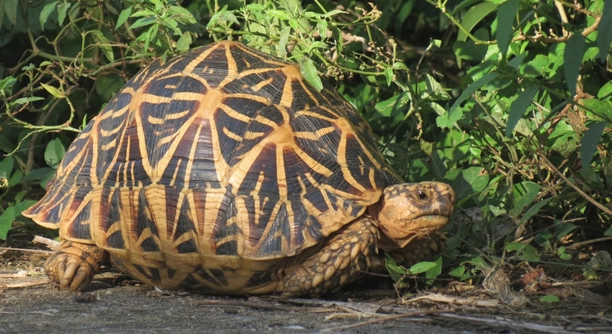
If you have a turtle, keeping it healthy is essential, and vitamin D is a vital part of that. However, knowing when it needs more vitamin D can be tricky. Recognizing the signs is key to supporting your turtle’s well-being.
Vitamin D plays an important role in a turtle’s health, especially for shell growth and calcium absorption. A lack of sufficient vitamin D can cause various health issues, including weak bones and shell deformities, which can be harmful.
Understanding the signs of vitamin D deficiency can help you make timely adjustments to your turtle’s diet and environment. This can lead to better overall health and a happier, more active pet.
Vitamin D and Your Turtle’s Health
Turtles need vitamin D to properly absorb calcium, which is crucial for shell and bone development. Without enough vitamin D, they can suffer from weak bones, shell deformities, and other health problems. Sunlight or UVB light is the most natural way for turtles to produce vitamin D. Inadequate exposure to either of these can lead to a deficiency. Providing proper lighting and access to natural sunlight is essential for maintaining their health. A diet rich in vitamin D can also help, but it may not be enough on its own if they’re not getting the right amount of UVB exposure.
UVB light plays a critical role in ensuring your turtle gets enough vitamin D. Without UVB exposure, even the best diet won’t be enough to prevent deficiencies. Consider adding a UVB lamp to your turtle’s habitat if they don’t have access to natural sunlight.
If your turtle spends most of its time indoors, it might not get the UVB it needs. In that case, providing a UVB lamp will help prevent deficiencies. Keep in mind that these lamps lose their effectiveness over time, so they will need to be replaced regularly to ensure your turtle’s health. Keep the lamp positioned correctly to maximize exposure and ensure your turtle gets the full benefits.
Physical Symptoms of Vitamin D Deficiency
A common sign of vitamin D deficiency in turtles is the appearance of soft or deformed shells. Without proper vitamin D, calcium absorption is impaired, leading to weak, thin shells. In severe cases, the shell may become soft enough to change shape. You may also notice your turtle having difficulty moving, which can be another indicator of weakened bones.
Another symptom of vitamin D deficiency is lethargy. If your turtle seems unusually inactive, it could be struggling with a lack of vitamin D, which affects energy levels. A lack of UVB exposure or poor diet may lead to this low energy. This will result in your turtle spending more time in one spot instead of being active.
If your turtle’s appetite decreases, it may also indicate a deficiency. When turtles are not getting enough vitamin D, they may stop eating, further contributing to their health problems. It’s important to monitor your turtle’s eating habits to ensure it’s getting the right amount of nutrients for proper growth and development.
Ensuring Proper Vitamin D Intake
A balanced diet is vital for providing your turtle with the nutrients it needs, including vitamin D. Many turtle foods contain added vitamins, but it’s still essential to check if the diet provides sufficient levels of vitamin D. You can also supplement their diet with food like cuttlebone, which is rich in calcium and vitamin D. While it helps, diet alone may not be enough without proper UVB exposure.
To ensure your turtle is getting enough vitamin D, it’s essential to balance both dietary supplements and UVB lighting. A combination of UVB exposure and a varied diet that includes vitamin D-rich foods will give your turtle the best chance of staying healthy. Be cautious not to over-supplement, as this can lead to other health issues. Regular monitoring of both diet and light exposure is the key.
The Importance of UVB Lighting
UVB lighting is crucial for your turtle to produce vitamin D. Without it, they won’t be able to properly absorb calcium, no matter how well-balanced their diet is. Even if your turtle has access to natural sunlight, it’s important to provide additional UVB lighting, especially if it lives indoors.
UVB lights should be placed within a proper distance from your turtle to ensure effectiveness. The closer the light is to your turtle, the better it can absorb the UVB rays. Replace the light regularly, as its strength diminishes over time, even if the bulb still works.
Signs of Overexposure to Vitamin D
Overexposure to vitamin D can cause toxicity in turtles. Symptoms of vitamin D toxicity include loss of appetite, excessive thirst, and lethargy. It can lead to kidney damage and other severe health problems. Always be mindful of the balance between light exposure, diet, and supplementation.
Proper Lighting and Habitat Setup
A suitable habitat setup is essential for your turtle’s health. Ensure that their tank has both basking and cooler areas, allowing them to regulate their body temperature. The basking area should be under the UVB light to maximize vitamin D production. This setup mimics natural conditions, promoting overall well-being.
FAQ
How much UVB light does my turtle need?
Turtles typically require 10 to 12 hours of UVB light each day. This is equivalent to the amount of sunlight they would naturally get in the wild. Be sure to provide a consistent light cycle for your turtle. If you’re using a UVB bulb, place it about 6-12 inches above the basking area to ensure effective exposure. The UVB bulb should be replaced every 6-12 months, even if it still lights up, as its UVB output declines over time.
Can I use a regular light bulb for my turtle’s tank?
No, a regular light bulb won’t provide the necessary UVB radiation for your turtle. Only special UVB bulbs are designed to mimic sunlight and help turtles produce vitamin D. UVB bulbs come in two types: fluorescent and mercury vapor bulbs. Fluorescent bulbs are commonly used for smaller tanks, while mercury vapor bulbs are good for larger setups. Both can help prevent vitamin D deficiency, but they need to be replaced regularly.
What are the best foods to increase vitamin D in my turtle’s diet?
To boost your turtle’s vitamin D intake, include foods like cuttlebone, which is rich in both calcium and vitamin D. Leafy greens like dandelion greens and collard greens are also good options. Additionally, some commercial turtle foods are fortified with vitamin D. While food can support your turtle’s health, it’s essential to combine a healthy diet with proper UVB lighting to ensure they are absorbing calcium effectively.
Can my turtle get too much vitamin D?
Yes, turtles can get too much vitamin D, which can lead to toxicity. This can cause symptoms like excessive thirst, loss of appetite, and lethargy. In severe cases, vitamin D toxicity can result in kidney damage. To avoid this, maintain a balance between UVB exposure and dietary supplements. Don’t over-supplement their diet with vitamin D, as this could lead to an overdose.
How can I tell if my turtle is getting enough vitamin D?
Signs that your turtle is getting enough vitamin D include strong, healthy shell growth, active behavior, and a healthy appetite. If your turtle shows signs of lethargy, a soft or deformed shell, or loss of appetite, these could indicate a deficiency. Regular check-ups and ensuring proper UVB exposure will help keep your turtle healthy.
What should I do if my turtle isn’t getting enough sunlight?
If your turtle isn’t getting enough natural sunlight, you should provide UVB lighting in its tank. UVB bulbs are essential for turtles that live indoors or in areas with limited sunlight. Make sure the UVB light is positioned at the proper height and replaced regularly to ensure your turtle is receiving the correct amount of UVB exposure.
Do turtles need vitamin D supplements?
Vitamin D supplements are usually not necessary if your turtle is getting enough UVB exposure and has a balanced diet. However, if your turtle is not exposed to adequate UVB light, or if you are concerned about its diet, vitamin D supplements may be helpful. Always consult with a vet before supplementing your turtle’s diet, as over-supplementation can lead to toxicity.
What if my turtle is not basking under the UVB light?
If your turtle is not basking under the UVB light, it may not be getting enough vitamin D. Ensure the basking spot is warm enough and that the UVB light is positioned correctly. Turtles need both heat and UVB exposure to regulate their body temperature and produce vitamin D. If your turtle continues to avoid basking, it might be helpful to adjust the tank’s setup or consult a veterinarian to check for other potential health issues.
Can a vitamin D deficiency cause shell deformities?
Yes, a vitamin D deficiency can lead to shell deformities. Without enough vitamin D, your turtle will not be able to absorb calcium properly, leading to a soft or malformed shell. Over time, this can cause serious health problems. Make sure your turtle has access to both UVB lighting and a balanced diet to prevent shell deformities.
How often should I replace the UVB bulb for my turtle?
UVB bulbs should be replaced every 6 to 12 months, even if they still appear to be working. Over time, the UVB output diminishes, and your turtle may not get enough exposure. Regular replacement ensures that your turtle receives the necessary UVB light for optimal health. Be sure to follow the manufacturer’s recommendations for bulb replacement.
Can a vitamin D deficiency cause my turtle to be lethargic?
Yes, a lack of vitamin D can cause lethargy in turtles. Vitamin D plays a critical role in calcium absorption, and without it, your turtle may become weak and less active. If your turtle is not as active as usual, it could be a sign that it’s not getting enough UVB light or vitamin D.
Final Thoughts
Ensuring that your turtle gets the right amount of vitamin D is vital for its overall health. Vitamin D is essential for calcium absorption, which helps maintain strong bones and a healthy shell. Without adequate UVB exposure, your turtle may struggle to absorb calcium, leading to serious health issues. It is important to remember that both diet and UVB lighting work together to support your turtle’s needs. If your turtle isn’t getting enough vitamin D, you may notice signs like lethargy, poor appetite, or a soft shell. These issues can be prevented with proper care and attention.
Providing UVB lighting in your turtle’s tank is an easy yet necessary way to ensure it gets the vitamin D it needs. Natural sunlight can be helpful but is not always reliable, especially for indoor turtles. UVB bulbs should be replaced regularly, as their effectiveness diminishes over time. Additionally, maintaining a balanced diet rich in calcium and vitamin D can help support your turtle’s health. Including foods like leafy greens, cuttlebone, and fortified pellets can give your turtle the nutrients it requires. When you combine proper lighting with the right food, you create a healthy environment for your turtle to thrive.
In conclusion, vitamin D plays a key role in keeping your turtle healthy and active. By providing proper UVB lighting, a nutritious diet, and careful monitoring, you can help prevent deficiencies and ensure that your turtle lives a long, healthy life. It’s important to watch for signs of vitamin D deficiency, but with the right setup, you can avoid these problems altogether. Maintaining a consistent routine for lighting and feeding will benefit your turtle in the long run.

Hello,
If you enjoy the content that we create, please consider saying a "Thank You!" by leaving a tip.
Every little bit helps us continue crafting quality advice that supports the health, happiness, and well-being of pets around the world, for pets of all shapes, sizes, and species.
We really appreciate the kindness and support that you show us!