
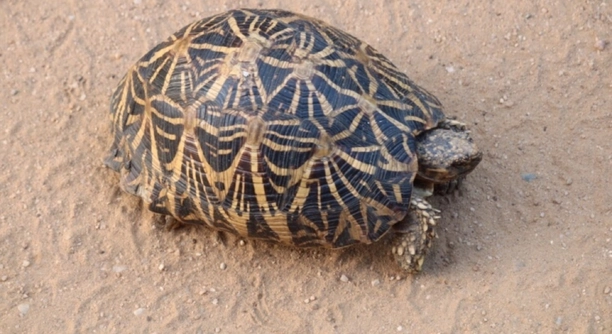
Turtles are fascinating creatures that we often admire for their unique characteristics. However, noticing changes in their bodies, like a shrinking tail, can raise concerns for any pet owner. Understanding why this happens can be crucial to their well-being.
The tail of a turtle may shorten over time due to several factors, including injury, malnutrition, or infections. In some cases, it could be a natural part of the turtle’s growth or aging process.
Knowing the causes behind this change can help you take the right steps to support your turtle’s health. We will explore what could be behind this common concern and how to address it.
Possible Causes of a Shortening Tail
A turtle’s tail may shrink due to a variety of reasons, ranging from physical injuries to health issues. If your turtle experiences trauma or damage to its tail, it might lose part of it over time. Malnutrition is another concern; an imbalanced diet can result in weight loss, which could affect the tail’s size. Infections or diseases can also contribute to this problem. Bacterial or fungal infections, if left untreated, can lead to tissue loss and cause the tail to appear shorter.
An underlying health issue might be more serious, and observing other symptoms, such as lethargy or swelling, can help determine whether it’s a matter of injury or illness. If you notice changes that don’t seem to heal on their own, it may be time to seek advice from a vet.
No matter the cause, it’s important to pay attention to your turtle’s diet, habitat, and behavior. Addressing these elements can prevent further damage and ensure your turtle’s overall well-being.
When Should You Be Concerned?
Not all cases of a shortening tail require immediate action, but some signs should not be ignored. If you observe swelling, open wounds, or changes in your turtle’s behavior, it may be time to act. These could be signs of infection or a more serious health issue.
Taking your turtle to a veterinarian is a good step to determine if something more serious is going on. If there is an infection, prompt treatment can help prevent further complications and improve the turtle’s quality of life. You don’t want the problem to progress unnoticed, as it may result in permanent damage to the tail or other parts of the body.
Diet and Nutrition
A lack of proper nutrition can impact a turtle’s tail, causing it to shrink over time. Turtles need a balanced diet with vitamins, minerals, and protein to support their growth. If they’re not getting enough of the right nutrients, their bodies may suffer, including the tail area.
If your turtle is fed a poor diet, it can lead to vitamin deficiencies, which affect their skin, bones, and tail. Offering a variety of leafy greens, fruits, and protein sources is essential. Ensure they are getting proper calcium and vitamin D, which help maintain strong, healthy shells and tails. Without these nutrients, the tail may shorten and become more vulnerable to injuries or infections.
One common cause of malnutrition in turtles is over-reliance on one type of food, such as just leafy greens. This can cause an imbalance in their diet. It’s important to create a diverse meal plan that includes all essential vitamins and minerals. Offering calcium supplements, especially for land-dwelling turtles, can also be a useful addition.
Injury or Trauma
Injuries or trauma to a turtle’s tail may be the direct cause of it shortening. Whether the injury occurs in the wild or captivity, a physical wound can result in the loss of part of the tail over time. Damage may happen from fighting with other turtles or hitting objects in their environment.
If you notice any sign of trauma, like bleeding or swelling near the tail, prompt attention is necessary. Even minor injuries, if left untreated, can become infected and cause further damage. Keeping your turtle’s living environment free of sharp objects or overly aggressive companions can help prevent such injuries.
Also, consider the type of enclosure you provide. A cramped or hazardous space increases the risk of injury. Ensuring your turtle has plenty of room to move around safely will help reduce accidents. Take note of any behavioral changes, like limping or difficulty moving, which may point to underlying injuries.
Health Conditions
Some health conditions can affect a turtle’s tail, leading to shrinkage over time. Diseases like shell rot or infections might cause tissue damage, impacting the tail’s appearance. In some cases, parasites may also contribute to tail loss, as they damage the turtle’s skin or internal organs.
If you suspect a health condition, closely monitor your turtle’s behavior and physical condition. Any signs of lethargy, loss of appetite, or unusual skin changes should be addressed quickly. Early intervention can prevent further damage and help manage the health issue before it becomes severe.
Consulting a vet is essential if you notice signs of illness. A proper diagnosis will guide you on how to best care for your turtle and restore its health.
Water Quality
Poor water quality is another potential reason behind tail shrinkage in aquatic turtles. If their environment is not kept clean, it can lead to infections, affecting their tail or even the entire body. Dirty water can irritate their skin and cause health complications.
Regular water changes and filtration are vital in maintaining a clean environment for your turtle. Proper water temperature, pH levels, and humidity are also important factors in keeping your turtle healthy. When their habitat is clean, it reduces the chances of infection or disease that can lead to tail issues.
Aging
As turtles age, they may experience natural changes in their bodies. A turtle’s tail might shrink as part of the aging process, which is common. Older turtles often show signs of wear in their shells and other body parts, including the tail.
Age-related tail shortening is typically not a cause for concern, as it may simply be a sign of the turtle’s growth and life cycle. However, keeping an eye on the turtle’s overall health is still important. If any other unusual signs develop alongside the tail shortening, a vet check is advised.
FAQ
Why is my turtle’s tail getting shorter?
A turtle’s tail may shorten due to various reasons, including injury, malnutrition, infections, or even natural aging. If your turtle’s tail is shrinking, it could be the result of physical trauma, an imbalanced diet, or an underlying health issue. If you notice any other signs, such as lethargy, swollen areas, or wounds, it’s important to consult a vet. In some cases, it may be a harmless process, particularly with aging, but monitoring the turtle’s overall condition is crucial to ensure its health.
Can malnutrition cause a turtle’s tail to shrink?
Yes, malnutrition can lead to a shortening of your turtle’s tail. A poor diet lacking the necessary nutrients, like calcium, vitamins, and protein, can affect the overall health of your turtle, including its tail. Without proper nutrition, turtles are more prone to infections and weakened immune systems, making their tail more vulnerable to damage or disease. Offering a balanced diet with various vegetables, fruits, and protein sources can help prevent this problem. Additionally, calcium and vitamin D supplements are crucial for shell and tail health.
What signs should I look for if my turtle has an infection?
Infections in turtles can cause their tails, shells, or skin to deteriorate. Look for signs like swelling, redness, open wounds, or discharge around the tail or shell. If the turtle becomes lethargic, loses appetite, or appears to be in pain, these are also indicators of a potential infection. Foul-smelling water or any change in their behavior should not be ignored. If these symptoms arise, it’s crucial to take your turtle to the vet for proper diagnosis and treatment. Infections can spread quickly and result in more severe health issues.
Does injury cause permanent tail shortening?
In some cases, an injury can cause permanent shortening of a turtle’s tail, especially if the damage is severe or left untreated. Turtles may lose part of their tail due to trauma, such as fighting with other turtles or hitting hard objects. Depending on the injury’s severity, the tail may heal, but in some cases, the tissue can be lost, resulting in a shorter tail. If the injury leads to an infection or further complications, the damage could be irreversible, which is why quick action is important.
How can I prevent my turtle’s tail from getting shorter?
To prevent your turtle’s tail from shrinking, maintain a healthy environment and diet. Provide a balanced diet rich in nutrients, including leafy greens, fruits, and protein. Ensure that your turtle has access to calcium and vitamin D supplements. Keep its habitat clean and safe, avoiding sharp objects or overcrowded conditions that could lead to injuries. Regularly check the water quality and temperature, as poor conditions can contribute to infections and other health issues. A well-maintained, safe environment can prevent most causes of tail shortening.
Is it normal for a turtle’s tail to shrink as it ages?
Yes, some degree of tail shrinkage can occur naturally as turtles age. Older turtles might experience changes in their body, including a shortening of the tail, as part of the aging process. This is generally not a cause for concern if no other health issues are present. However, if you notice any additional symptoms like swelling, loss of appetite, or lethargy, it could be a sign of a health problem that requires attention. Aging may cause wear and tear, but it’s important to ensure your turtle’s overall health remains stable.
How do I treat a turtle with a shrinking tail?
The treatment for a turtle with a shrinking tail depends on the underlying cause. If the cause is an injury, cleaning and caring for the wound is essential to prevent infection. For malnutrition, improve the turtle’s diet by adding more variety, including calcium and vitamin D. If an infection is suspected, consulting a veterinarian is critical for treatment, which may include antibiotics or antifungal medication. Regular monitoring of the turtle’s health and environment will help you address any issues early and prevent further damage.
Can I prevent infection in my turtle’s tail?
Yes, infection prevention starts with maintaining good water quality and cleanliness in the turtle’s habitat. Regularly change the water, ensure it’s filtered, and check the pH levels. Make sure there are no sharp or dangerous objects that could cause injury. A balanced diet with the proper nutrients boosts the turtle’s immune system, helping it fight off infections. If your turtle’s tail has a wound, treat it promptly by cleaning the area and applying an appropriate topical treatment. Regularly check for signs of infection, especially around the tail area.
When should I take my turtle to the vet?
Take your turtle to the vet if you notice any concerning symptoms, such as tail shortening with swelling, discharge, or wounds that aren’t healing. If the turtle seems lethargic, refuses food, or exhibits any signs of pain, it’s important to seek professional help. A vet can properly diagnose the issue, whether it’s an infection, injury, or nutritional problem, and provide the necessary treatment to help your turtle recover. Early intervention is key to preventing more serious health problems.
Can water quality affect my turtle’s tail?
Yes, poor water quality can lead to a variety of health issues, including tail shortening. Dirty water with high levels of bacteria, ammonia, or incorrect pH can irritate your turtle’s skin, increasing the risk of infections or skin conditions that could affect the tail. Maintaining proper water conditions is crucial to your turtle’s overall health. Regular water changes, a functioning filter, and monitoring water temperature and pH levels can prevent many health problems, including those that affect the tail. A clean, well-maintained environment is essential for preventing infections.
Can I fix my turtle’s tail if it’s infected?
If your turtle’s tail is infected, treatment depends on the severity of the infection. Mild infections can often be treated with antibiotics or antifungal medications, but more severe cases might require more intensive care, including wound cleaning or surgical intervention. The first step is always to consult a veterinarian for the proper diagnosis and treatment. Keeping the turtle’s environment clean and following the vet’s recommendations will help prevent the infection from worsening. Timely treatment is critical to avoid long-term damage.
Final Thoughts
Turtles are resilient creatures, but like all pets, they need proper care and attention to stay healthy. A shortening tail can be worrying, but it’s important to understand the potential causes so you can take the right steps. Whether the issue is related to injury, diet, infection, or natural aging, addressing the problem early can help prevent further complications. Keeping an eye on your turtle’s behavior, diet, and living environment can make a big difference in its overall health and well-being.
If you notice changes in your turtle’s tail, it’s always a good idea to evaluate its living conditions first. Ensure the water is clean, the temperature is right, and the turtle is getting a balanced diet with all the essential nutrients. A well-maintained habitat can prevent many health problems that might lead to tail shortening. Sometimes, it’s just a matter of aging or small injuries that heal over time, but in other cases, the problem could require more immediate attention. Consulting a vet is always a good choice if you’re unsure about the cause or if other symptoms appear.
By being proactive about your turtle’s care, you can prevent many issues from arising. Regularly monitor your turtle’s health, keep its habitat clean, and provide a variety of nutritious food. If you suspect your turtle’s tail is shrinking due to an infection or injury, don’t wait for it to get worse. Early treatment can make a big difference and help your turtle live a long, healthy life. Even though changes in your turtle’s tail can be concerning, staying informed and taking action when necessary will give your pet the best chance at recovery.

Hello,
If you enjoy the content that we create, please consider saying a "Thank You!" by leaving a tip.
Every little bit helps us continue crafting quality advice that supports the health, happiness, and well-being of pets around the world, for pets of all shapes, sizes, and species.
We really appreciate the kindness and support that you show us!