
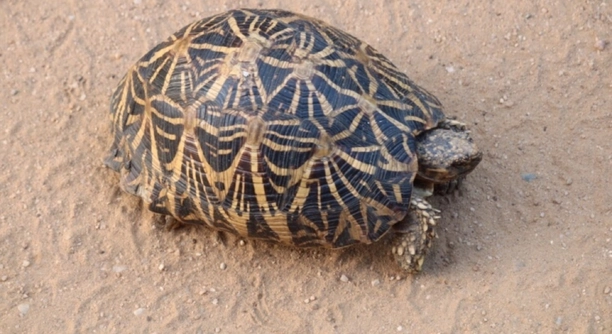
If you’re looking for ways to increase your turtle’s activity levels, you’ve come to the right place. Keeping your turtle active is essential for its health and well-being. Let’s explore some simple yet effective ways to keep your turtle moving and engaged.
Improving your turtle’s activity levels requires creating an enriching environment with proper lighting, temperature, and exercise opportunities. Providing different spaces for your turtle to explore and introducing safe objects can encourage them to move more often, improving their overall activity.
By enhancing your turtle’s surroundings, you will help them stay active and healthier. These small changes can make a big difference in their daily routine and energy levels.
Create a Spacious Habitat for Your Turtle
A well-designed habitat is key to encouraging your turtle to be more active. Turtles need plenty of space to move around, and a small tank can restrict their ability to explore. Consider upgrading to a larger tank, ideally at least 40 gallons, depending on your turtle’s size. Providing different levels within the tank, such as floating platforms or basking spots, will encourage climbing and swimming. This variety in terrain will motivate your turtle to move around more.
Even small adjustments to your turtle’s habitat can encourage more movement. Try adding things like rocks, plants, or safe objects for them to explore. This keeps their environment fresh and stimulating, encouraging them to move around more frequently.
The right setup can also help reduce stress, which is essential for your turtle’s health. If your turtle feels secure and comfortable, they’re more likely to remain active throughout the day. Avoid overcrowding the tank to ensure there’s enough space for your turtle to feel at ease and move freely.
Provide a Proper Diet
A healthy, balanced diet is crucial for keeping your turtle active. Make sure to provide a mix of vegetables, protein, and calcium to keep them strong and energized.
Different turtles may have specific dietary needs, but a variety of food is essential for all. Offering food at regular intervals, especially high-energy options like insects, will motivate your turtle to move around more. Feeding time is an excellent opportunity to encourage movement and stimulate your turtle’s appetite.
Introduce Fun Toys and Enrichment Activities
Adding toys and objects that encourage interaction can make a big difference in your turtle’s activity levels. Items like floating logs, ramps, or turtle-safe balls can provide both exercise and mental stimulation.
These objects can encourage your turtle to explore different areas of their habitat, promoting more movement. Make sure any items you introduce are safe and free of sharp edges that could harm them. You can also experiment with different textures to see what catches their interest. Simple things like rocks to climb on or plants to swim through can encourage natural behaviors, which in turn helps your turtle stay active.
Regularly changing or adding new items can keep your turtle’s environment interesting. A bored turtle might become inactive, so keeping their space fresh with new challenges will keep them moving. Make sure to rotate toys and objects often to prevent monotony and keep your turtle curious.
Encourage Natural Swimming Behavior
Turtles are natural swimmers, and providing them with an area where they can swim freely encourages more exercise. Ensure your tank has enough water space for your turtle to swim comfortably.
A water temperature that mimics their natural environment is important for their comfort and energy levels. A basking spot should also be available, allowing them to rest after swimming. You can place plants or submerged objects to create a more natural environment, helping your turtle feel more at ease when swimming. These changes provide both physical exercise and mental stimulation, encouraging your turtle to move more.
Adding a filter to your tank can keep the water clean, which is important for maintaining your turtle’s health. Clean water ensures your turtle has the ideal environment to swim, dive, and explore without feeling stressed.
Regular Handling and Interaction
Handling your turtle regularly can help them stay active. Gently taking them out of their tank and allowing them to roam in a safe, controlled space encourages movement.
This interaction gives your turtle the chance to explore new areas and helps keep them engaged. Just be mindful not to overdo it, as too much handling can stress them. A few minutes outside their habitat every day can make a difference in their activity levels.
Proper Lighting and Heating
Your turtle needs proper lighting and heating to stay healthy and active. Ensure they have access to both UVA and UVB light, which are essential for their metabolism and overall energy.
A basking lamp with the right temperature will encourage your turtle to be more active, especially during the day. If the temperature drops too low, your turtle may become sluggish, so it’s important to maintain the right heat levels in both the water and basking areas.
FAQ
How much space does my turtle need to stay active?
Turtles require a large enough space to move freely. For most turtles, a 40-gallon tank is the minimum size. Larger species may need even bigger enclosures. The tank should have both swimming and basking areas. Turtles are active swimmers, so ensure the water depth and surface area are sufficient for them to move around comfortably.
Can I add other turtles to my tank to increase activity?
While adding another turtle may seem like a good way to boost activity, it can sometimes lead to stress or aggression. If you decide to add another turtle, make sure they are compatible species and have enough space. Avoid overcrowding, as it can lead to competition for space, food, and basking spots, which can cause stress and reduce activity.
What kind of toys should I provide to encourage movement?
To keep your turtle moving, you can introduce safe toys like floating logs, rocks to climb, or turtle-safe balls. These objects encourage exploration and physical exercise. Avoid sharp edges or small parts that could be ingested or cause injury. Experiment with different items to see what excites your turtle and keeps them active.
How often should I change my turtle’s environment to keep them active?
Changing the environment every few weeks can help keep your turtle engaged and active. Rotating toys, rearranging decorations, or adding new plants to the tank can encourage exploration. Regular changes prevent boredom, which can lead to inactivity. Just make sure to maintain a balance of comfort and safety when altering the setup.
What’s the best temperature for my turtle’s tank to promote activity?
Turtles need a proper temperature gradient in their tank. The water temperature should range between 75°F and 80°F, while the basking area should be around 85°F to 90°F. If the temperature is too low, your turtle may become sluggish and inactive. Ensure the heat is consistent throughout the day to keep them energized.
Do turtles need to be exposed to UVB light?
Yes, UVB light is essential for your turtle’s health and activity levels. UVB rays help turtles synthesize vitamin D3, which is necessary for proper calcium absorption and bone health. Without adequate UVB light, your turtle can become lethargic and even develop health problems like metabolic bone disease. Make sure your turtle has access to UVB light for 10-12 hours a day.
How do I know if my turtle is getting enough exercise?
If your turtle is active, moving around, and exploring its habitat regularly, it’s a sign they’re getting enough exercise. However, if your turtle is lethargic, spends too much time resting, or has difficulty moving, it may not be getting enough physical activity. Keep track of their behavior and make changes to their habitat if needed.
Can I take my turtle outside for exercise?
Yes, taking your turtle outside can be a great way for them to get exercise and enjoy fresh air. However, make sure the area is safe, secure, and free of predators. A small, enclosed outdoor space with access to grass, rocks, or shallow water can give your turtle a chance to explore and be more active. Always supervise them closely.
Are there any health signs that indicate my turtle isn’t getting enough activity?
If your turtle is becoming overly lethargic, losing weight, or exhibiting difficulty moving, these could be signs that they aren’t getting enough activity. Inactive turtles might also show signs of depression or poor appetite. If you notice any of these symptoms, it may be time to adjust their environment or diet to encourage more movement.
What should I feed my turtle to help increase activity?
A well-balanced diet helps maintain your turtle’s energy levels. Feed them a mix of leafy greens, protein sources like insects or shrimp, and calcium-rich foods like cuttlebone. A healthy diet supports your turtle’s physical health, ensuring they have the energy to remain active. Avoid overfeeding, as obesity can lead to lethargy.
How do I encourage my turtle to swim more?
Turtles are natural swimmers, so providing plenty of water space and a proper environment will naturally encourage them to swim. Ensure that your tank is large enough, and the water temperature is ideal. Adding water features like rocks or plants can help make the space more engaging. Make sure the water is clean to avoid discomfort, which can cause your turtle to avoid swimming.
Should I remove my turtle’s basking area to encourage more swimming?
It’s important to provide a basking area for your turtle to rest and regulate their body temperature. Removing it could lead to stress, which may reduce their overall activity. Instead, focus on providing a balance between swimming space and a comfortable basking area to encourage a natural routine.
Final Thoughts
Keeping your turtle active is crucial for its overall health and well-being. Turtles are naturally active creatures, and by providing the right environment, you can encourage them to move more and stay engaged. The key is creating a space that promotes physical exercise, mental stimulation, and a sense of security. This means giving them enough space, proper lighting, safe objects to explore, and a balanced diet. All these factors work together to help your turtle maintain an active lifestyle.
Incorporating these changes doesn’t need to be overwhelming. Start by adjusting the tank size, adding safe toys, and ensuring the temperature and lighting are optimal. You don’t have to make all the changes at once; slowly introducing new elements will keep your turtle curious and willing to explore its surroundings. Regularly checking the water quality and temperature will also ensure your turtle remains comfortable and active. Over time, you’ll notice the positive effects on your turtle’s behavior and energy levels.
Finally, it’s important to remember that every turtle is different. Some may be naturally more active, while others may require more encouragement to get moving. Pay attention to your turtle’s unique needs and adjust their environment accordingly. With patience and a little effort, you’ll help your turtle stay healthy, active, and happy. Making small improvements can lead to long-term benefits, ensuring your turtle enjoys a fulfilling and energetic life.

Hello,
If you enjoy the content that we create, please consider saying a "Thank You!" by leaving a tip.
Every little bit helps us continue crafting quality advice that supports the health, happiness, and well-being of pets around the world, for pets of all shapes, sizes, and species.
We really appreciate the kindness and support that you show us!