
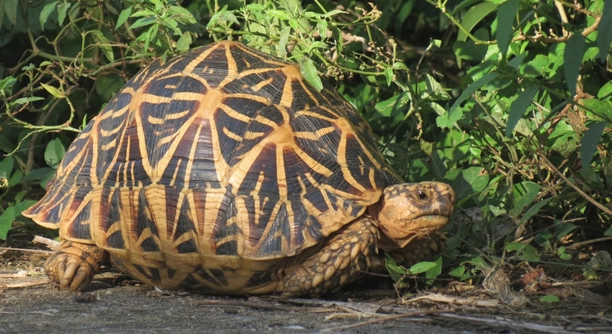
Choosing the right sand for your turtle tank can be tricky, but it plays an important role in your pet’s environment. Understanding which type of sand is safe and beneficial for your turtle is essential for their overall well-being.
The best types of sand for turtle tanks are those that are non-toxic, easy to clean, and mimic a natural habitat. Consider sands like play sand, calcium carbonate sand, and river sand, as they are safe and beneficial for turtles.
Selecting the proper sand is essential for creating a healthy and comfortable environment for your turtle. Understanding the benefits and characteristics of different sand types will help you make the best choice for your pet’s tank.
Play Sand
Play sand is one of the most commonly recommended types of sand for turtle tanks. It’s affordable, widely available, and safe for your pet. Play sand is finely grained, making it easy for turtles to move around without risk of injury. This sand also holds moisture well, which is important for maintaining humidity in the tank. Plus, it can be cleaned easily by rinsing it under water.
While play sand is inexpensive and safe, it’s important to choose a version that’s been thoroughly washed. Some play sands contain small dust particles that can be harmful if ingested. Rinsing it ensures there’s no excess dust that might irritate your turtle’s respiratory system.
Play sand offers great versatility for turtles and can be used in both freshwater and brackish tank setups. However, be cautious about the amount of sand you use. Too much can make it difficult for your turtle to move freely, so it’s always best to keep a shallow layer. The ease of cleaning and the natural feel make play sand a solid choice for most turtle owners.
Calcium Carbonate Sand
Calcium carbonate sand is another excellent option for turtle tanks. This type of sand is rich in calcium, which is beneficial for turtles’ shells and bones. It provides a more natural environment while offering added nutrients that promote good health.
Turtles will often ingest small amounts of sand while foraging, and calcium carbonate helps support their overall wellness. This type of sand is also easy to maintain, making it a practical choice for turtle owners. Just be sure to monitor your turtle’s behavior, as some turtles may overeat the sand, leading to digestive issues.
Using calcium carbonate sand not only helps with shell health, but it also mimics the sandy riverbeds and beaches that turtles naturally inhabit. The sand is often soft enough to allow turtles to dig and burrow, creating a stimulating environment. However, like any sand, it’s crucial to clean it regularly. Calcium carbonate sand is a great addition to any turtle tank that focuses on creating a balanced and natural habitat.
River Sand
River sand is another popular choice for turtle tanks. It is smooth, natural, and safe for turtles to interact with. The sand closely resembles what turtles would encounter in the wild, making it a good choice for creating a more authentic habitat.
The main advantage of river sand is its texture. It is coarse enough to avoid clumping but still soft enough for turtles to dig and forage without causing injury. River sand also tends to be less dusty than play sand, which can be a plus for maintaining cleaner water in the tank.
While river sand is a great natural option, it’s important to ensure it’s clean and free from contaminants. Some river sands may contain harmful particles or organic matter. So, always rinse it thoroughly before adding it to the tank. The sand can also help with water filtration, as it acts as a natural filter, trapping debris.
Aragonite Sand
Aragonite sand is a type of calcium-rich sand that works well in turtle tanks, especially for species that need additional minerals. It’s often used in brackish or marine environments, where turtles need calcium to maintain healthy shells.
Aragonite sand is beneficial because it slowly releases calcium into the water, which can support shell health and prevent calcium deficiencies in turtles. The sand is also easy to clean, and its white color helps with tank aesthetics, creating a bright and clean-looking environment.
While aragonite sand is a good source of calcium, it can raise the pH levels in your tank. If you have a turtle species that prefers more acidic water, you should monitor the pH to ensure it doesn’t become too high. Additionally, aragonite sand can be a bit more expensive compared to other sand types, but it’s worth considering if you want to promote overall health in your turtle.
Black Sand
Black sand is a striking choice for turtle tanks, offering a dark, clean look. It’s made from volcanic rock and is known for its unique appearance and natural feel. This type of sand is typically safe for turtles when properly cleaned.
While black sand looks visually appealing, it does require frequent maintenance. It can show debris and waste more easily than lighter sands, so you’ll need to clean the tank regularly to maintain its appearance. On the positive side, the dark color can help highlight your turtle, making it stand out.
Black sand can also raise the temperature of your tank due to its darker color. If your turtle is sensitive to temperature changes, you may want to monitor the heat carefully. It’s also important to make sure the sand is free from sharp edges, which could injure your turtle. When chosen carefully, black sand provides a unique, eye-catching look while offering a comfortable habitat for your pet.
Silica Sand
Silica sand is fine and smooth, making it a comfortable choice for turtle tanks. It’s non-toxic and easy to clean, making it a safe and practical option for tank owners.
It is essential to make sure that the silica sand is high quality and free of harmful additives. Silica sand can sometimes be dusty, which may affect your turtle’s health if not cleaned properly. The fine texture allows your turtle to dig and forage, but it should be used in moderation to prevent it from becoming too deep, which can make movement difficult.
FAQ
What type of sand is best for my turtle tank?
The best sand for a turtle tank depends on the species of turtle and the tank’s environment. Play sand, calcium carbonate sand, and river sand are all good options for most turtles. They are safe, easy to clean, and mimic natural habitats. If you want to enhance your turtle’s health, consider using calcium carbonate or aragonite sand for additional calcium. Always make sure the sand is clean, free of dust, and has no sharp edges.
Can I use beach sand in my turtle tank?
It’s not recommended to use beach sand in your turtle tank. Beach sand can contain contaminants, such as bacteria, salt, and parasites, that could harm your turtle. It may also contain sharp edges, which can injure your turtle. If you still decide to use it, make sure to thoroughly clean and rinse the sand before adding it to your tank. It’s generally safer to choose sand that is specifically designed for aquarium use.
Is white sand safe for turtles?
Yes, white sand is safe for turtles, as long as it is specifically made for aquarium use and is non-toxic. Sands like calcium carbonate or aragonite often come in white and are beneficial for your turtle’s health. White sand also makes the tank look bright and clean. However, it can show debris and waste more easily, requiring regular cleaning.
How deep should the sand be in a turtle tank?
The depth of the sand in a turtle tank should be shallow, typically around 1 to 2 inches. This allows your turtle to dig and forage without getting trapped. Too much sand can create a challenging environment for your turtle, making it hard for them to move freely. Always monitor your turtle’s behavior to ensure they are comfortable and not having difficulty navigating the tank.
Can sand cause impaction in turtles?
Sand can potentially cause impaction if a turtle ingests large amounts of it, which could happen if they are not offered enough food or are stressed. Some turtles may also eat the sand while foraging. To prevent impaction, provide your turtle with a balanced diet and monitor their eating habits. Using fine, non-toxic sand that is easy to digest can also reduce the risk of impaction.
How do I clean the sand in my turtle tank?
Cleaning the sand in a turtle tank involves removing debris and waste regularly. Use a fine mesh aquarium vacuum to sift through the sand and remove dirt and food scraps. If the sand gets heavily soiled, you can rinse it in water outside the tank. Avoid using soap or chemicals when cleaning the sand, as these can harm your turtle. Perform water changes regularly to maintain the tank’s cleanliness.
Can I mix different types of sand in the tank?
Yes, you can mix different types of sand in your turtle tank, but make sure they are compatible and safe for your turtle. Mixing sands like play sand with calcium carbonate sand can give your tank a unique appearance while still offering benefits like calcium for your turtle’s health. Be cautious, however, of the different textures or grain sizes, as they can create uneven surfaces that may be difficult for your turtle to navigate.
Is sand better than gravel for turtle tanks?
In most cases, sand is a better option than gravel for turtle tanks. Sand is smoother, making it safer for turtles to move and dig. Gravel can have sharp edges that might cause injury, especially if your turtle tries to forage or bury itself. Sand also makes it easier to clean the tank, while gravel can trap waste and debris.
How often should I change the sand in my turtle tank?
You should change the sand in your turtle tank every 3 to 6 months, depending on how much waste accumulates. If the sand starts to smell or appears heavily contaminated, it’s time to replace it. Regular cleaning can help prolong the life of the sand, but changing it periodically ensures a healthier environment for your turtle.
Can sand affect the water quality in my turtle tank?
Yes, sand can impact the water quality if it’s not cleaned regularly. Over time, organic matter and waste can accumulate in the sand, leading to poor water quality. This can result in high levels of ammonia and nitrites, which can harm your turtle. Regular cleaning and water changes are essential to prevent this from happening.
What size sand grain is best for turtles?
For most turtles, medium to fine sand grains are the best option. Fine sand is comfortable for them to dig and forage in, while coarse sand can be too harsh and potentially injure their skin. Avoid very fine sand that can cause clumping and make it hard for turtles to move, as well as large grains that may cause injury if ingested.
Can I use play sand for my turtle tank?
Yes, play sand can be used in a turtle tank, as long as it’s thoroughly cleaned. It’s one of the most common and affordable options for turtle tanks. Play sand is generally safe and provides a good surface for turtles to move around. However, make sure the sand is free of dust, which could harm your turtle’s respiratory system.
Final Thoughts
Choosing the right sand for your turtle tank is an important decision for creating a healthy and comfortable environment for your pet. Different types of sand offer various benefits, such as calcium for shell health or the ability to mimic natural habitats. While there are many options available, it’s crucial to select a sand that is non-toxic, easy to clean, and free of sharp edges. Play sand, river sand, and calcium carbonate sand are some of the most common choices, and each offers unique advantages depending on your turtle’s needs.
Regular maintenance is key to keeping your turtle tank clean and ensuring that the sand remains safe for your pet. Rinsing the sand before use and cleaning it regularly helps prevent the buildup of waste and debris. It’s also important to monitor the depth of the sand, as too much can hinder your turtle’s movement. Keeping the sand layer shallow will allow your turtle to dig and forage naturally without becoming trapped or making the tank difficult to navigate. Along with cleaning the sand, regular water changes and good filtration will help maintain a healthy environment for your turtle.
While sand can be an excellent substrate choice, it’s not without its risks. If your turtle eats too much sand, it can lead to impaction, a serious health concern. To prevent this, make sure your turtle is well-fed and has access to a balanced diet. You can also consider offering your turtle larger pieces of food to reduce the chance of them accidentally ingesting the sand. By choosing the right type of sand, monitoring your turtle’s health, and maintaining a clean tank, you can provide a safe and natural habitat for your turtle to thrive in.

Hello,
If you enjoy the content that we create, please consider saying a "Thank You!" by leaving a tip.
Every little bit helps us continue crafting quality advice that supports the health, happiness, and well-being of pets around the world, for pets of all shapes, sizes, and species.
We really appreciate the kindness and support that you show us!