
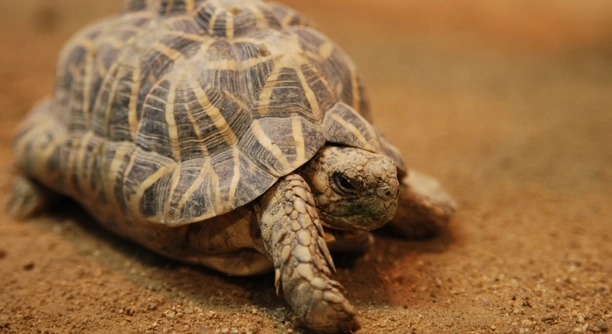
Turtles are fascinating creatures, and it’s not uncommon for pet owners to notice changes in their turtles’ appearance over time. One such change is wrinkling of the skin. This can be concerning if you’re unsure of the cause.
Wrinkled skin on your turtle may be caused by dehydration, improper environmental conditions, or even health issues such as infections or parasites. Identifying the underlying cause can help you address the problem effectively.
There are various factors that could contribute to your turtle’s wrinkled skin. Understanding these causes will help you ensure your turtle stays healthy and comfortable.
Dehydration: A Common Cause
One of the most common reasons for a turtle’s skin becoming wrinkled is dehydration. Just like any living creature, turtles need plenty of water to stay healthy. Without enough moisture, their skin can dry out and become wrinkled, making them look unhealthy. This is especially true for turtles kept in dry, warm environments. Turtles in aquariums or outdoor ponds should have access to clean, fresh water at all times, as dehydration can also impact other areas of their health, such as digestion and energy levels.
A turtle’s skin condition can be an early sign of dehydration. If their shell and skin appear more wrinkled than usual, this could indicate that they are not getting enough water. This issue can easily be fixed by providing a proper water source and monitoring their hydration levels closely.
It’s important to ensure your turtle has enough water to drink and swim in. Many turtles enjoy basking in the sun, but they also need a place to cool off and hydrate. Make sure to check the water quality regularly and ensure your turtle has access to both fresh drinking water and a swimming area.
Environmental Factors
Your turtle’s environment plays a significant role in maintaining its skin health.
Factors like temperature, humidity, and lighting can all affect the condition of a turtle’s skin. If your turtle’s habitat is too dry or hot, their skin may not retain enough moisture. On the other hand, if the humidity is too high, it could lead to fungal or bacterial infections. An improper balance can cause their skin to wrinkle and become irritated.
Providing the right conditions in your turtle’s habitat is crucial for their overall health. Turtles need a comfortable, humid environment with a place to bask under heat lamps, as well as access to a cooler area. A temperature gradient within the enclosure helps them regulate their body temperature. The right humidity levels are also essential to help your turtle maintain healthy skin. Consider using a humidity gauge and a thermometer to monitor the environment consistently.
Health Issues and Infections
Turtles can develop skin problems due to various infections or health issues. Fungal or bacterial infections are common in turtles with compromised immune systems. These infections can cause irritation, leading to wrinkled or discolored skin.
If your turtle’s skin has become wrinkled alongside other symptoms like lethargy, loss of appetite, or swelling, it may indicate an infection. It’s important to act quickly if you suspect your turtle is sick. If left untreated, infections can worsen, affecting other organs. Consulting a vet for proper diagnosis and treatment is the best course of action.
Infections like shell rot or fungal overgrowth can thrive in dirty or overcrowded tanks. Keeping your turtle’s enclosure clean and ensuring proper sanitation is key to preventing these health problems. Always observe your turtle closely and note any unusual behavior or changes in its appearance. Early detection leads to quicker and more effective treatment.
Poor Diet and Nutrition
Turtles require a balanced diet for healthy skin and overall well-being. A poor diet can lead to vitamin deficiencies, which may manifest as wrinkled or unhealthy skin.
Turtles need a variety of foods, including leafy greens, proteins like insects, and calcium-rich options. Lack of essential nutrients, particularly vitamin A and calcium, can lead to skin problems. Vitamin A deficiency, for example, can make your turtle’s skin dry and flaky. Inadequate calcium intake can cause weak shells and skin.
Feeding your turtle a well-rounded diet ensures they receive the nutrients they need to stay healthy. If you notice any skin changes, consider reviewing what you’re feeding your turtle. Consult with a veterinarian or a reptile expert to make sure you are providing the right balance of foods.
Overexposure to Sunlight
Too much exposure to direct sunlight can cause dehydration and skin damage in turtles. While they do need UVB light for healthy shell growth, excessive sun can dry out their skin, leading to wrinkles.
If your turtle spends a lot of time basking under the sun, make sure they have access to shaded areas. Overheating can also lead to stress and dehydration. Turtles should be able to regulate their body temperature by moving between warm and cool areas. Providing a proper balance is essential to avoid skin issues.
Lack of Proper Hydration
A turtle that isn’t getting enough water will show signs of dehydration, including wrinkled skin. Always provide fresh water in their enclosure.
Turtles drink and soak in water to stay hydrated. Without access to clean water, they can easily become dehydrated, and their skin may dry out. Keeping their water fresh and easily accessible will help prevent dehydration and other related health issues.
Parasites and External Threats
Parasites like mites, ticks, and other external threats can irritate your turtle’s skin, leading to wrinkles. These pests often cause inflammation or dryness.
If you notice your turtle scratching, biting, or exhibiting other signs of discomfort, it could be due to an infestation. Regularly inspect your turtle for parasites and take steps to remove them if needed. Visit a vet for proper treatment options to keep your turtle parasite-free.
FAQ
Why is my turtle’s skin wrinkled?
There are several reasons your turtle’s skin could become wrinkled. Dehydration is one of the most common causes, as turtles need adequate moisture to maintain healthy skin. Other reasons include environmental factors such as extreme heat or humidity, poor diet, infections, and parasites. If your turtle’s skin seems dry or wrinkled, check its water quality, habitat conditions, and overall health. Ensuring your turtle stays hydrated and has a balanced diet can help prevent this issue. If you notice any other signs of illness, such as lethargy or loss of appetite, it’s best to consult a vet.
Can I treat my turtle’s wrinkled skin at home?
If the wrinkling is due to dehydration or environmental issues, you can help your turtle by improving its habitat conditions. Make sure it has access to clean, fresh water and adjust the humidity and temperature of its enclosure. Offering a balanced diet with the right nutrients, such as vitamin A and calcium, can also improve the skin condition. However, if the wrinkling persists or worsens, or if you notice any signs of infection, it’s best to take your turtle to the vet. Professional care will ensure your turtle’s health is properly addressed.
How can I tell if my turtle is dehydrated?
Signs of dehydration in turtles include wrinkled or dry skin, lethargy, loss of appetite, and sunken eyes. If your turtle isn’t drinking enough water or isn’t able to soak in water regularly, dehydration could be the cause. You can also monitor the texture of its skin to check for dryness. Ensuring that your turtle has access to fresh water at all times and that it can swim and soak in its environment is key to preventing dehydration. If your turtle shows multiple symptoms of dehydration, it’s important to get help from a vet.
What temperature and humidity should I maintain for my turtle?
The temperature and humidity requirements for turtles vary depending on the species. Generally, turtles need a temperature gradient in their enclosure, with a basking area that is warmer (around 85-95°F or 29-35°C) and a cooler area (around 70-75°F or 21-24°C). Humidity should be maintained at around 50-70%, but some species may require higher humidity levels. Proper temperature and humidity are important to help your turtle stay hydrated and healthy. You can use a thermometer and hygrometer to keep track of the conditions in your turtle’s habitat.
Can I use lotion or cream on my turtle’s skin?
It is not recommended to apply lotion or cream to your turtle’s skin unless advised by a vet. Turtles have a different skin structure than humans, and many products meant for human use can be harmful to them. If your turtle’s skin is wrinkled due to dehydration or a health issue, it’s better to address the root cause rather than using topical treatments. In some cases, a vet may recommend specific treatments for skin conditions, but it’s important to avoid using any over-the-counter skin products without professional guidance.
How can I prevent my turtle from getting wrinkled skin?
To prevent wrinkled skin, ensure that your turtle is hydrated and has a proper diet. Make sure the water in the enclosure is clean, fresh, and easily accessible. Your turtle’s habitat should also have the right temperature and humidity levels to support its health. Provide a balanced diet that includes a variety of vegetables, proteins, and calcium-rich foods. Avoid exposing your turtle to extreme sunlight for long periods, as this can dry out its skin. Regularly check your turtle for signs of health issues, and consult a vet if you notice any abnormalities.
What kind of diet helps prevent wrinkled skin in turtles?
A healthy diet is essential for keeping your turtle’s skin in good condition. Turtles need a varied diet that includes leafy greens like kale, collard greens, and dandelion leaves, as well as proteins like insects, worms, or fish. Calcium is crucial for maintaining healthy skin and shells, so you should provide calcium-rich foods or supplements if necessary. Vitamin A is also important for skin health, so feeding your turtle foods like carrots and sweet potatoes can help. Avoid feeding your turtle only one type of food, as this can lead to nutritional deficiencies and skin issues.
Is wrinkled skin a sign of a serious health problem?
Wrinkled skin alone may not necessarily indicate a serious health problem, but it’s often a sign that something is wrong. It could be caused by dehydration, poor environmental conditions, or an improper diet. However, if the wrinkling is accompanied by other symptoms like lethargy, loss of appetite, or abnormal behavior, it could be a sign of an underlying health issue such as an infection or parasite infestation. In such cases, it’s important to seek veterinary care to ensure your turtle receives proper treatment.
How often should I clean my turtle’s habitat to prevent skin issues?
Regular cleaning of your turtle’s habitat is essential to prevent skin issues, infections, and other health problems. Clean the tank or enclosure at least once a week, and replace the water with fresh, clean water. If you notice any buildup of waste, algae, or debris, clean it immediately to maintain a healthy environment. A dirty environment can lead to bacterial or fungal infections, which can contribute to skin problems. Also, make sure to clean any decorations, rocks, or basking platforms regularly to avoid harmful bacteria.
Can water quality affect my turtle’s skin?
Yes, poor water quality can significantly affect your turtle’s skin. If the water in your turtle’s enclosure becomes dirty or contaminated, it can cause skin irritation and lead to infections or dehydration. Make sure to regularly check the water’s cleanliness and change it frequently. Use a good filtration system to keep the water clean, and avoid allowing food or waste to build up in the tank. If the water quality is poor, it can cause a variety of health problems, including wrinkled skin. Regular water maintenance is essential for your turtle’s well-being.
Final Thoughts
Understanding why your turtle’s skin may become wrinkled is an important step in ensuring its health and well-being. There are several possible causes, including dehydration, environmental factors, poor diet, infections, and parasites. By paying attention to these factors, you can help prevent skin issues and keep your turtle comfortable. A proper diet, access to clean water, and the right habitat conditions are crucial for maintaining healthy skin. Regularly checking on your turtle’s behavior and appearance can give you a better idea of what might be causing any changes in its skin.
While wrinkled skin is often a sign that something is wrong, it doesn’t always mean there’s a serious underlying problem. Simple issues, like dehydration or a slightly imbalanced environment, can cause skin to wrinkle. If the cause is something simple, like not having enough water or too much exposure to sunlight, the problem can be fixed with a few adjustments. However, if the wrinkling is accompanied by other symptoms like lethargy, loss of appetite, or changes in behavior, it’s a good idea to consult a vet. Infections or other health conditions may need professional care.
In the end, keeping your turtle healthy requires paying attention to its needs. Proper hydration, a balanced diet, and a suitable living environment go a long way in preventing skin issues. If you ever notice that your turtle’s skin becomes wrinkled or if you’re concerned about any other signs of illness, don’t hesitate to make the necessary changes or visit a vet for advice. By staying proactive and providing the right care, your turtle can stay happy, healthy, and free from skin problems.

Hello,
If you enjoy the content that we create, please consider saying a "Thank You!" by leaving a tip.
Every little bit helps us continue crafting quality advice that supports the health, happiness, and well-being of pets around the world, for pets of all shapes, sizes, and species.
We really appreciate the kindness and support that you show us!