
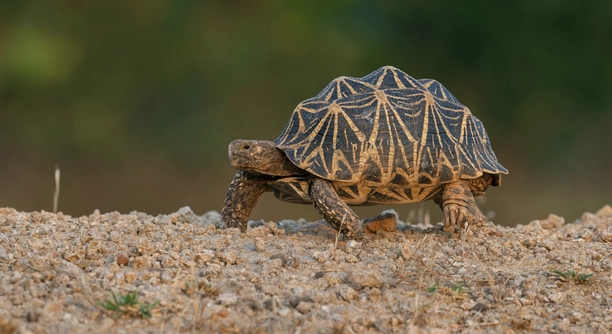
Turtles are fascinating creatures, but as they age, their physical changes can be hard to spot. Understanding these signs helps in monitoring their health. Knowing how to recognize an aging turtle is essential for their care.
As turtles grow older, they may show signs such as slower movement, a change in shell texture, and altered behavior. These signs, along with shifts in diet or activity levels, can indicate the natural aging process, and should not be ignored.
Recognizing these changes will help you support your turtle’s well-being and ensure they continue to thrive as they age. Keep reading for tips on spotting an aging turtle and providing proper care.
Slower Movement
As turtles age, their activity levels naturally decrease. A younger turtle is typically more active and enjoys moving around its habitat. Over time, older turtles begin to slow down. You might notice that they are less inclined to explore or swim around. Their movement can become more sluggish, and they may rest more often. This can be especially noticeable during feeding time or when they are offered a chance to bask in the sun.
Their slower pace is often a result of reduced energy levels and the wear and tear of aging. It’s not uncommon for older turtles to take longer breaks between activities. However, a significant decrease in movement could also signal an underlying health problem. If you notice a sudden or drastic change in activity levels, it may be time to consult a vet.
Pay attention to the overall behavior of your turtle. If it’s moving less, make sure they have a comfortable environment where they can rest and feel secure. Keep their habitat clean and well-maintained to avoid unnecessary stress.
Changes in Shell Texture
Over time, you might notice that your turtle’s shell becomes more brittle or develops some cracks. Aging can cause the shell to lose its smoothness. These changes can be due to various factors, such as calcium deficiencies or less frequent basking.
As turtles get older, their shells may thicken or become more fragile. This can be seen in the form of ridges, scutes that shed unevenly, or discoloration. It’s important to monitor their shell health and provide them with proper nutrition, such as calcium supplements and access to UVB light. The quality of the shell directly impacts their overall well-being.
Pay attention to your turtle’s diet and make sure they’re getting all the nutrients they need. Regular basking in the right light conditions is essential for maintaining a healthy shell as they age.
Changes in Appetite
As turtles age, their appetite may decrease. You might notice they eat less often or are less interested in certain foods. This is a common sign of aging but could also be related to health issues.
Older turtles often prefer soft foods that are easier to chew. If your turtle’s diet starts to consist of fewer meals, it’s important to assess the situation. Check their weight and overall health to make sure they’re not losing too much. If they seem uninterested in eating, a trip to the vet can help determine if there’s an underlying issue.
Changes in appetite should be monitored closely, especially if accompanied by other behavioral changes. Provide them with a variety of food options to see what they prefer. The food should be rich in nutrients to support their aging bodies.
Reduced Basking Time
An aging turtle may spend less time basking under a heat lamp or in natural sunlight. Basking helps regulate their body temperature and absorb essential UVB light. If you notice your turtle basking less, it could be a sign of aging.
A decrease in basking can also indicate discomfort, illness, or difficulty maintaining body heat. It’s important to ensure the basking area is warm enough for your turtle and that it’s easily accessible. Keep the temperature consistent and avoid drafts that could make it uncomfortable for them.
Sometimes, older turtles are less active and may not feel the same urge to bask as they did when younger. However, the lack of UVB light can negatively impact their health over time. It’s essential to monitor their behavior and ensure they have access to the proper basking conditions.
Vision Problems
As turtles age, their vision can decline, making it harder for them to navigate their environment or find food. You may notice them bumping into objects or hesitating when moving around. This is a common sign of aging.
If your turtle is missing food items or is more cautious in movement, it could be due to vision impairment. Poor vision can also make them less active and more reliant on their other senses. Keep their living space free of obstacles to help them feel more comfortable.
Regularly monitor their behavior and watch for signs of discomfort. If you suspect vision issues, consulting a vet may help determine if there’s an underlying problem.
Weight Loss
Weight loss in older turtles can be a sign of aging, but it’s important to rule out illness. A significant decrease in weight can impact their health, making them more susceptible to disease.
Aging turtles often experience a slower metabolism, which can result in weight loss despite a normal diet. If you notice a consistent decrease in weight, check if they’re eating properly and regularly. Make sure their diet is appropriate for their age and that they’re getting all necessary nutrients.
If weight loss continues, consult with a vet to ensure there are no underlying issues like parasites or metabolic problems.
Mobility Changes
As turtles age, their joints and muscles may become weaker, making it harder for them to move with ease. You might see them struggle to climb out of the water or have trouble walking long distances.
Older turtles often become more sedentary as they struggle with mobility. This can also be a result of joint stiffness or arthritis, which is common in older animals. Providing a comfortable environment with easy access to water and resting areas can help them manage mobility issues. Additionally, consider offering soft substrates that are easier on their limbs and joints.
FAQ
How can I tell if my turtle is sick or just aging?
If your turtle is showing signs like reduced activity, changes in appetite, or a decline in movement, these can be symptoms of aging. However, if these symptoms are sudden or drastic, it could indicate illness. Look for other signs such as abnormal shell growth, unusual discharges, or changes in behavior like excessive hiding. It’s important to monitor their condition over time. If you’re unsure, a visit to the vet is always a good idea to rule out any health concerns.
Is it normal for my turtle to eat less as it ages?
Yes, older turtles often eat less than they did when they were younger. Their metabolism slows down, and they may not need as much food. However, if your turtle is losing significant weight or refusing to eat for several days, it’s important to investigate further. Ensure they are still getting a balanced diet. If needed, consult a vet to make sure there are no underlying health issues.
Can an older turtle live in a smaller tank?
Generally, older turtles still need space to move and bask, though they might not be as active as when they were younger. While they may not roam as much, a spacious tank is still necessary to ensure they can move freely and maintain proper health. Their tank should also provide areas for basking and swimming, as they will continue to need both throughout their lives. Ensure the environment stays clean and provides all the necessary requirements for their health.
How can I help my aging turtle with mobility issues?
If your older turtle is struggling to move, you can make adjustments to its habitat. Provide ramps or shallow areas in the tank that make it easier for them to climb in and out of the water. Ensure the substrate is soft and easy on their joints. You may also consider providing a heat source that will help alleviate stiffness, allowing your turtle to stay more active. It’s important to keep an eye on their condition and consult a vet if their mobility continues to worsen.
Are there special dietary needs for older turtles?
Yes, aging turtles may require a different diet to stay healthy. They may need more easily digestible food and higher amounts of certain nutrients, such as calcium and vitamins. Older turtles can sometimes suffer from nutritional deficiencies due to a slower metabolism, so offering food that is rich in nutrients and properly balanced is essential. Consider incorporating softer foods that are easier for them to chew. Always ensure they have access to fresh water and supplement their diet with calcium to support shell health.
Do older turtles need more attention or care?
While older turtles may not need more care in terms of feeding and tank maintenance, they do require more monitoring. Since aging turtles are more prone to health problems, regular checks on their shell, weight, and behavior are crucial. You should also be prepared to adjust their environment to suit their changing needs, such as offering more accessible basking spots and ensuring the water temperature and lighting are adequate for their age. A visit to the vet is advisable if you notice any concerning changes.
How can I prevent shell problems as my turtle ages?
To prevent shell problems, make sure your turtle is getting enough calcium and UVB light. Calcium is necessary for shell growth and repair, while UVB light helps them process the calcium. Without proper UVB exposure, turtles can develop shell deformities or brittle shells. Regularly clean your turtle’s shell and check for signs of damage, such as cracks or discoloration. If you notice anything unusual, a vet can help provide treatments or advice on keeping their shell healthy.
What should I do if my aging turtle stops basking?
If your turtle stops basking, it could be a sign of health problems or that the basking area is no longer comfortable for them. Check that the basking spot is at the right temperature and accessible. Make sure the UVB light is working properly, as lack of UVB can cause health issues. If the basking area is fine and your turtle still refuses to bask, there may be a medical issue at play. It’s a good idea to consult a vet to ensure they’re not dealing with any internal problems or illnesses.
Can an older turtle live with other turtles?
It depends on the turtles involved. Some older turtles can live peacefully with others, but they may not be as active or social as younger ones. Aggression can also be more common as turtles age, especially if there’s a size or species difference. Keep an eye on their interactions and be ready to separate them if any signs of aggression or stress appear. Ensure they have enough space in the tank so they can escape from each other if needed.
How do I know if my turtle is in pain?
Turtles are good at hiding pain, but there are some signs to watch for. If your turtle is less active, spending more time hiding, or showing reluctance to move, it could indicate discomfort. Look for changes in their posture or movements that suggest they’re trying to protect a painful area. If your turtle seems to be favoring one side or avoiding certain actions (like basking), it may be time to take them to a vet. Sudden changes in eating habits or behavior can also indicate pain or illness.
Final Thoughts
As turtles age, it’s important to understand the changes they may go through, such as slower movement, reduced appetite, and changes in behavior. These are all natural signs of aging, but it’s essential to monitor them closely. If any significant changes occur, it’s always a good idea to consult with a vet. An older turtle still deserves the best care, even if it requires some adjustments in their environment or diet. Ensuring they have a comfortable living space and the proper nutrition will help them live a longer, healthier life.
While aging can bring challenges, it also provides a chance to learn more about your turtle’s needs. As they get older, turtles may need different care than when they were younger. Their health and mobility might decline, so it’s important to make changes in their habitat and routine to accommodate these needs. Providing extra attention to their shell care, diet, and basking conditions can make a big difference in how they age. By making these small adjustments, you can help your turtle stay happy and healthy.
In the end, caring for an aging turtle requires patience and understanding. Turtles can live for decades, and with the right care, they can continue to enjoy life as they get older. Whether it’s providing extra calcium for shell health, ensuring they have a safe and clean environment, or simply adjusting their diet, these steps can make a positive impact. By paying attention to their needs and recognizing the signs of aging, you can ensure your turtle remains comfortable throughout their senior years.

Hello,
If you enjoy the content that we create, please consider saying a "Thank You!" by leaving a tip.
Every little bit helps us continue crafting quality advice that supports the health, happiness, and well-being of pets around the world, for pets of all shapes, sizes, and species.
We really appreciate the kindness and support that you show us!