
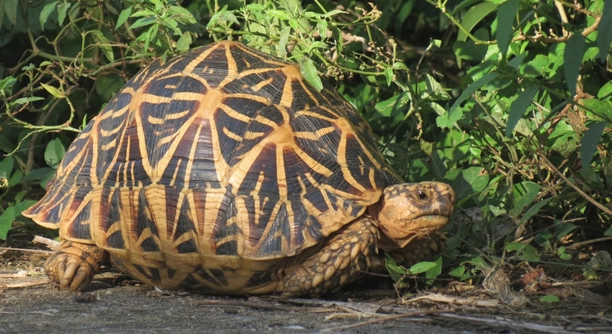
Feeding a picky turtle can be tricky, especially when they turn down meals that are usually their favorites. Understanding how to make their diet more appealing is key to keeping them healthy and happy.
To feed a picky turtle effectively, it’s essential to offer a variety of fresh foods, such as leafy greens, vegetables, and some fruits, while also ensuring their diet is nutritionally balanced. Monitoring their preferences and adjusting accordingly will encourage better eating habits.
This article will help you explore tips and strategies for getting your picky turtle to enjoy their meals and stay healthy.
Offer a Variety of Fresh Foods
Turtles, like people, have different tastes and preferences. If your turtle isn’t eating well, the first step is to make sure you’re offering a range of fresh food. Leafy greens such as kale, collard greens, and dandelion greens are great staples. You can also offer vegetables like zucchini, squash, and carrots. Adding fruits like strawberries, melon, or apple slices occasionally can help grab their attention.
Turtles may also have specific food preferences. If you notice they consistently turn down certain vegetables, try swapping them for others. You might be surprised by what they enjoy when given a few options.
It’s important to be patient and offer a wide selection to make sure your turtle is getting the proper nutrients. Some turtles prefer greens while others might favor fruits or veggies. By trying different combinations, you will have a better chance of finding what your turtle enjoys. Remember, variety is key when it comes to their diet.
Maintain a Balanced Diet
A balanced diet is essential for your turtle’s health. Offering a mix of proteins, greens, and vegetables helps ensure they get the right nutrients.
Turtles require proteins for growth, so including options like small fish, insects, or commercially available turtle pellets can make a big difference. However, this should not be the sole focus of their meals. Combining proteins with the right amount of fiber from greens and vegetables helps maintain a healthy digestive system.
Experiment with Different Feeding Techniques
Sometimes, the way food is presented can make a big difference in whether your turtle will eat. Try cutting food into smaller pieces or offering it in a different shape. You can also try floating food on the water’s surface to catch their attention.
Offering food at different times of the day might also help. Some turtles are more active during certain periods, and changing the feeding schedule could lead to better results. Avoiding overfeeding is also important; feed your turtle small amounts to encourage them to eat rather than overwhelming them with too much food at once.
You could also try placing the food in different areas of their tank. Turtles are naturally curious creatures and may be more inclined to eat if the food is in a new spot. Moving the food around or placing it in a shallow dish may spark their interest and keep them from getting bored with their meals.
Remove Leftovers Regularly
Leftover food can quickly spoil and make the water dirty, which may discourage your turtle from eating the next time. Clean up uneaten food after a few hours to prevent this.
Turtles are also very sensitive to their environment. If they notice that the water is dirty due to leftover food, they may associate the feeding area with unpleasant conditions. Regularly removing leftovers ensures that the tank stays clean and the water remains fresh. This will help your turtle feel more comfortable and willing to eat.
Properly cleaning the tank after feeding is an important step in making sure your turtle is healthy. Be sure to check the water temperature and overall cleanliness before offering food again. Keeping their living space clean will encourage better feeding habits and promote a happier, healthier turtle.
Try Live Food
Offering live food can be an effective way to spark your turtle’s interest in eating. Things like live insects or small fish can mimic natural hunting behaviors.
Live food provides mental stimulation and encourages your turtle to engage in eating. It also adds variety to their diet, making feeding time more exciting and enjoyable. Just be sure that the live food is safe and appropriate for their species.
Watching your turtle chase and hunt the food can be a rewarding experience for both of you. It’s a more natural feeding method that taps into their instincts, making the whole process more enjoyable.
Consider Food Temperature
The temperature of the food can make a difference in how appealing it is. Room temperature or slightly warmed food may be more enticing than cold food straight from the fridge.
Warmer food can mimic the natural environment where turtles often eat in the wild. Offering food at an appropriate temperature can help stimulate your turtle’s appetite and encourage them to try new things. Avoid serving food that’s too hot, as it can harm them.
FAQ
What if my turtle refuses to eat?
If your turtle isn’t eating, it could be due to a variety of reasons, including stress, improper tank conditions, or illness. Start by ensuring the tank temperature, humidity, and lighting are appropriate for your turtle’s species. If these conditions are correct and the turtle still isn’t eating, try offering different food options or adjusting the feeding schedule. Sometimes, giving them a break from food for a day or two can help reset their appetite. If the problem persists, a vet visit is a good idea.
How often should I feed my turtle?
The frequency of feeding depends on the turtle’s age and species. Baby turtles need to be fed every day, while adult turtles generally only need to be fed every 2-3 days. However, make sure to adjust based on their activity level and specific needs. Too much food can lead to obesity, so pay attention to the turtle’s size and overall health. Regular feeding schedules can also help reduce stress, allowing your turtle to settle into a routine.
What are some common foods I can feed my turtle?
Turtles enjoy a variety of foods, including leafy greens (kale, collard greens, dandelion greens), vegetables (carrots, squash, zucchini), and fruits (strawberries, apples, melon). They also need some protein in their diet, such as small fish, earthworms, or commercially available pellets. A balanced diet that includes both plant-based and protein-rich foods is crucial to their health.
Can I feed my turtle lettuce?
Yes, but only certain types of lettuce. Iceberg lettuce should be avoided, as it has very little nutritional value. Instead, offer darker leafy greens like romaine, red leaf lettuce, or butterhead lettuce. These provide better nutrients and are safe for your turtle to consume. Just be sure to vary their diet to keep things interesting.
How do I know if my turtle is sick?
Signs of illness in turtles include loss of appetite, lethargy, swelling, discharge from the eyes or nose, and abnormal behavior, such as swimming in circles or floating upside down. If you notice any of these symptoms, it’s important to get your turtle checked by a vet as soon as possible. Early intervention can prevent more serious health issues.
Can I feed my turtle bread or crackers?
Turtles should not be fed bread or crackers, as they provide no nutritional value and can lead to digestive issues. Turtles need a diet based on fresh, natural foods like vegetables, fruits, and protein. Offering human food like bread can upset their digestive system, causing problems over time.
How can I make my turtle’s food more appealing?
To make food more enticing, try experimenting with presentation. Cutting food into smaller, bite-sized pieces or offering it in different shapes might grab their attention. You can also try mixing their favorite foods with new ones. Some turtles might prefer food that floats or is placed in different spots in the tank. The goal is to keep mealtime interesting and varied.
What is the best type of food for my turtle?
The best food for your turtle depends on its species. Aquatic turtles usually enjoy a mix of water plants, fish, and vegetables, while terrestrial turtles may prefer leafy greens, flowers, and fruits. Always research your turtle’s specific dietary needs to ensure you are offering them the right food. In general, a varied diet that includes both plant matter and protein is ideal for most species.
How do I prevent my turtle from becoming overweight?
To prevent obesity, avoid overfeeding and provide balanced meals with a mix of vegetables, fruits, and protein. Monitor your turtle’s weight regularly, and adjust portion sizes based on its activity level. It’s also helpful to offer smaller, more frequent meals instead of large portions at once. Make sure they have enough space to move around and exercise in their enclosure.
Can I feed my turtle vegetables every day?
Yes, vegetables should make up the bulk of a turtle’s diet. Offering a variety of vegetables daily ensures they get the necessary nutrients. Leafy greens, such as kale, collard greens, and dandelion greens, should be included in their meals. However, balance is key, so make sure to incorporate other food groups like proteins and fruits as well.
What can I do if my turtle is a picky eater?
If your turtle is picky, try offering a variety of foods to see what they prefer. Some turtles are more selective than others. You may need to try different vegetables, fruits, and protein sources. If they’re still refusing food, consider adjusting the water temperature, as it can affect their appetite. If the behavior continues, a visit to the vet might help rule out any health issues.
Is it okay to feed my turtle dried food?
Dried food, like pellets or freeze-dried insects, can be part of your turtle’s diet but should not be the main food source. It’s best to offer fresh food as the primary diet, as it provides more nutrients and hydration. Dried foods can be convenient, but they often lack the variety and freshness that your turtle needs for optimal health.
What if my turtle isn’t eating because of the tank environment?
Your turtle’s eating habits can be affected by its tank environment. Poor water quality, incorrect temperature, or inadequate lighting can cause stress, leading to a loss of appetite. Ensure the tank is the correct temperature for your turtle’s species, and regularly clean the water to maintain its quality. Providing proper UVB lighting is also crucial for their overall well-being.
Can I feed my turtle human food?
While some human food can be safe for turtles, it’s important to avoid processed or salty foods. Avoid giving them junk food like chips or sweets. Instead, stick to fresh fruits, vegetables, and small amounts of lean protein. Always research any food you plan to give them to ensure it’s safe.
Final Thoughts
Feeding a picky turtle can be challenging, but with patience and some adjustments, you can find what works for them. By offering a variety of fresh foods, including leafy greens, vegetables, and occasional fruits, you can ensure they receive a balanced diet. Some turtles may have specific preferences, so it’s important to try different combinations until you discover what they enjoy. Don’t be discouraged if your turtle turns down certain foods; with a bit of trial and error, you’ll eventually find a routine that works.
Along with providing a variety of foods, it’s important to pay attention to your turtle’s environment. Make sure the tank temperature, lighting, and water quality are optimal for their species. If these factors are not right, they may lose their appetite or feel stressed, which can affect their overall health. Clean water and appropriate tank conditions can make a big difference in encouraging your turtle to eat. By creating a comfortable environment, your turtle is more likely to be healthy and more interested in their meals.
Lastly, if your turtle’s picky eating habits persist, don’t hesitate to consult with a vet. There may be underlying health issues that need to be addressed. Regular check-ups are a good way to monitor their overall health, and a vet can help ensure your turtle’s diet is meeting all their nutritional needs. By paying attention to both their food preferences and their environment, you can help your turtle stay healthy, happy, and well-fed.

Hello,
If you enjoy the content that we create, please consider saying a "Thank You!" by leaving a tip.
Every little bit helps us continue crafting quality advice that supports the health, happiness, and well-being of pets around the world, for pets of all shapes, sizes, and species.
We really appreciate the kindness and support that you show us!