
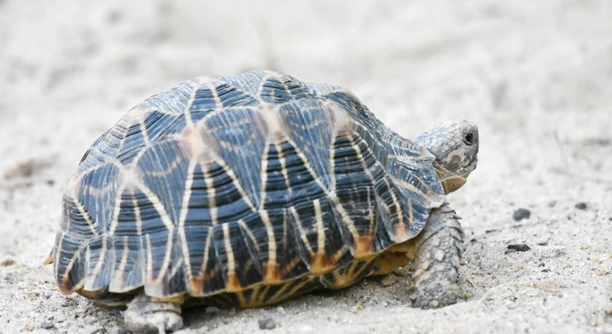
Turtles are wonderful pets, but sometimes they can show signs of concern, like peeling shells. If you’ve noticed large chunks peeling from your turtle’s shell, you may be wondering what’s going on and if it’s something to worry about.
Peeling in large chunks can occur due to normal shedding, injury, or poor tank conditions. It may also signal a vitamin deficiency, improper humidity, or an underlying infection. Proper care and a healthy environment are crucial for shell health.
Understanding the causes of shell peeling can help you provide the right care. This article will guide you through the common reasons and solutions for your turtle’s condition.
Reasons Your Turtle’s Shell Might Peel
Peeling shell in turtles isn’t always a sign of something serious. Turtles naturally shed their outer layer of shell to allow for growth, similar to how snakes shed their skin. This process can occur in small pieces or larger chunks depending on the turtle’s age and environment. However, shedding too much or in large pieces may be a sign that something isn’t quite right. Changes in diet, water quality, or lighting conditions can all influence how a turtle’s shell peels. It’s important to pay attention to any other changes, such as behavior or appetite, as these can help determine the cause of the shell issues.
Shell peeling due to shedding is normal, but other factors might be at play. A turtle’s shell health depends on several factors, including diet, habitat, and care.
A lack of UVB lighting, poor humidity levels, and vitamin deficiencies can contribute to abnormal shell shedding. If a turtle isn’t getting enough UVB light, it can lead to a weakened shell, making it more prone to peeling. Similarly, an improper diet lacking essential vitamins, like calcium and vitamin D3, can cause health issues, affecting the shell’s integrity. Ensuring that your turtle has access to appropriate lighting and a balanced diet can help prevent abnormal peeling and promote a healthy, strong shell.
When to Seek Veterinary Help
If the shell continues to peel in large chunks or seems to be getting worse, it may be time to consult a veterinarian.
Shell peeling caused by illness or injury should be addressed promptly. If the shell peeling is accompanied by other symptoms, such as lethargy, loss of appetite, or swelling, your turtle might be dealing with an infection or injury. Infections caused by bacteria or fungi can make the peeling worse and may require medical intervention. Similarly, if there are visible cracks or deep wounds, a vet will be able to treat the injury properly to prevent further complications. Regular check-ups with a veterinarian can help detect underlying issues early, ensuring your turtle stays healthy.
The Role of Humidity in Shell Health
Turtles need proper humidity to keep their shells in good condition. If the humidity levels in their tank are too low, it can cause their shells to dry out and peel. The right humidity supports healthy shedding and helps the shell maintain its strength.
If you live in a dry area, you might need to adjust the humidity levels by adding a water dish or using a humidity gauge. Mist the tank regularly or consider using a humidifier to create the ideal environment. Too much moisture, however, can cause other issues like mold, so balance is key.
A turtle’s natural habitat plays a big role in shell health. Different species of turtles require different humidity levels, so it’s important to research your turtle’s specific needs. By maintaining the right humidity, you’re supporting its overall well-being. A stable environment will help prevent the shell from drying out, flaking, or becoming brittle. Keep an eye on the humidity levels to ensure they stay within the optimal range.
Proper Diet and Nutrition
A healthy diet is key to preventing shell issues. Turtles need a balanced intake of vitamins, minerals, and protein to maintain their shell.
A diet rich in calcium and vitamin D3 is crucial for strong, healthy shells. Without enough of these nutrients, a turtle may develop soft, peeling shells or even bone issues. Offer a variety of foods, including leafy greens, aquatic plants, and high-quality pellets. You can also supplement with calcium powder or cuttlefish bone to provide additional support for shell health. A well-rounded diet will help your turtle grow strong and healthy.
Just like humidity, the quality of a turtle’s diet plays a major role in preventing health problems. A poor diet can weaken the shell and cause other issues like metabolic bone disease. Pay attention to your turtle’s eating habits, and make sure it gets the right nutrients regularly. If you’re unsure about what your turtle needs, consult with a vet or a reptile expert to ensure you’re feeding it properly. Proper nutrition will help your turtle maintain its natural defenses and improve overall health.
The Impact of Poor Water Quality
Water quality directly affects your turtle’s shell health. Dirty or contaminated water can lead to skin and shell issues, including peeling. Turtles are sensitive to water changes, so keeping their tank clean is essential for their well-being.
Regularly clean the tank and change the water to prevent harmful bacteria buildup. Use a water filter to help keep the water fresh and monitor its temperature to ensure it stays within the recommended range for your species. Poor water quality can weaken a turtle’s shell, leading to abnormal peeling or other health concerns.
Shell Injury and Damage
If your turtle’s shell gets scratched or injured, it can cause the outer layer to peel away. Even small injuries can lead to complications if not treated promptly.
Injury-related peeling is usually accompanied by other symptoms like swelling, discoloration, or cracks. If you suspect an injury, carefully examine your turtle for any visible damage and clean the affected area. Seek veterinary help if necessary, especially if the injury is severe or showing signs of infection.
UVB Lighting and Its Importance
Turtles require UVB lighting to properly metabolize calcium and maintain shell strength. Without UVB light, your turtle may develop metabolic bone disease, leading to a weakened shell and potential peeling. Make sure the light is strong enough and placed at the right distance.
FAQ
What are the signs of a healthy turtle shell?
A healthy turtle shell should be smooth, firm, and intact with no signs of peeling, cracking, or discoloration. It should have a consistent color and texture, and your turtle should not exhibit signs of discomfort or lethargy. A strong, healthy shell helps protect the turtle and supports its overall health.
If your turtle’s shell looks shiny and free from blemishes, it’s a sign that it is getting the proper care, including adequate diet, lighting, and habitat conditions. Regularly inspect the shell for any changes that could indicate health issues. If you notice any cracks, peeling, or soft spots, it may be time to reassess its environment and care routine.
How can I stop my turtle’s shell from peeling?
To stop shell peeling, you need to ensure that your turtle’s environment is properly maintained. Make sure the humidity levels in the tank are appropriate, and check that the water is clean and filtered. Proper UVB lighting is also crucial to support healthy shell growth. Additionally, provide a balanced diet with the right nutrients like calcium and vitamin D3.
If the peeling is caused by injury or infection, consult a veterinarian for guidance and treatment. It’s important to avoid sudden environmental changes that could stress your turtle or cause further damage to its shell. Regular checkups and maintaining a consistent care routine can help prevent issues before they get worse.
Is it normal for my turtle to shed its shell?
Yes, it’s normal for turtles to shed their shell in small pieces. This is a natural process that allows them to grow. Younger turtles typically shed more frequently, while older turtles shed less often. The process is similar to how snakes shed their skin, with the old layer coming off as the turtle’s body grows.
However, shedding large chunks or the shell peeling in an abnormal way can indicate an issue. In these cases, it’s important to review the turtle’s diet, habitat, and health status. While shedding itself is normal, sudden or excessive shedding should be monitored to ensure your turtle’s overall well-being.
What causes my turtle’s shell to peel in large chunks?
Peeling in large chunks can be caused by several factors, including poor nutrition, insufficient UVB lighting, low humidity, or injury. If your turtle’s shell is shedding large pieces, it might be a sign that the shell is not receiving the proper nutrients, or the turtle is experiencing stress from its environment.
A deficiency in calcium or vitamin D3 is a common cause of shell problems, so ensuring that your turtle’s diet is balanced and contains the right nutrients is essential. Also, check that your turtle is getting the proper UVB exposure and that its living conditions are optimal for its species.
Can I help my turtle’s shell heal if it’s peeling or damaged?
Yes, you can help your turtle’s shell heal by addressing the underlying cause of the peeling or damage. First, ensure that its habitat conditions are correct, including water quality, humidity, and proper UVB lighting. If the peeling is due to a nutritional deficiency, adjust its diet to include more calcium and vitamin D3.
If the shell is damaged from injury, monitor it closely and consider seeking veterinary help. Minor injuries may heal on their own, but deeper wounds or signs of infection require professional treatment. Cleaning the area gently and keeping the tank clean can also help reduce the risk of infection.
How often should I clean my turtle’s tank?
You should clean your turtle’s tank at least once a week to maintain water quality and prevent harmful bacteria growth. This includes removing waste, cleaning filters, and changing the water to ensure it’s fresh. Depending on the size of the tank and the number of turtles, you may need to clean it more frequently.
In addition to weekly cleanings, monitor the water quality regularly using a water testing kit. This will help you keep track of important factors like pH, ammonia levels, and nitrate levels. Clean tanks support overall health and reduce the likelihood of shell issues.
How can I prevent my turtle from getting an infection?
To prevent infection, you must maintain a clean and healthy environment for your turtle. Regular water changes, tank cleanings, and ensuring that the tank’s filtration system is working well can reduce the chances of infection. Ensure your turtle has access to proper UVB lighting and a balanced diet that strengthens its immune system.
Additionally, monitor your turtle for any signs of illness, such as unusual lethargy, lack of appetite, or swelling on the shell. Early detection of infections can make treatment easier and prevent further damage to your turtle’s health. If you notice any of these signs, consult a veterinarian promptly.
Can a turtle’s shell grow back if it’s broken?
If a turtle’s shell is broken or cracked, it can heal over time, but it will not fully “grow back” in the same way that skin or soft tissue can. The healing process depends on the severity of the damage. Minor cracks may heal with proper care and time, but deeper or more severe fractures could lead to permanent scarring.
For broken shells, it’s important to seek professional treatment from a vet. They may recommend a special bandage or shell repair procedure to help the turtle heal properly. Avoiding stress and maintaining optimal tank conditions will aid in the healing process.
Final Thoughts
Taking care of a turtle’s shell is an important part of being a responsible pet owner. While peeling or shedding can be normal, large chunks or persistent peeling often signal an underlying issue. This could be due to environmental factors, such as incorrect humidity or poor water quality, or nutritional imbalances. It’s important to ensure that your turtle’s tank is clean and that the lighting and temperature are suitable for its needs. A well-maintained environment will go a long way in preventing many shell-related issues.
Diet plays a significant role in keeping your turtle’s shell healthy. Providing the right nutrients, especially calcium and vitamin D3, helps support strong shell growth. Without these, turtles may experience soft shells or abnormal shedding. Make sure to offer a balanced diet that includes leafy greens, aquatic plants, and appropriate supplements. If you notice your turtle’s shell isn’t in the best condition, checking the diet and adjusting it as needed could help resolve the problem. Regularly reviewing your turtle’s care routine can prevent potential health issues before they become serious.
In some cases, peeling can be a sign of illness, injury, or infection. If you notice unusual changes in your turtle’s shell, behavior, or appetite, it’s essential to seek professional help. A vet experienced with reptiles can provide the proper diagnosis and treatment. Regular check-ups and being attentive to your turtle’s needs can help catch any problems early, ensuring a long and healthy life for your pet. By staying proactive in its care, you can prevent many common shell issues and keep your turtle happy and healthy.

Hello,
If you enjoy the content that we create, please consider saying a "Thank You!" by leaving a tip.
Every little bit helps us continue crafting quality advice that supports the health, happiness, and well-being of pets around the world, for pets of all shapes, sizes, and species.
We really appreciate the kindness and support that you show us!