
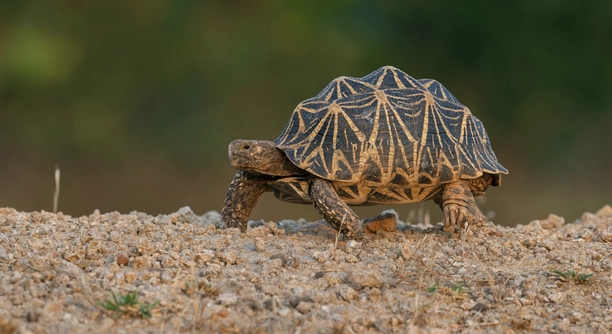
Is your turtle spending more time asleep during the day than usual? This can be concerning, especially if you’re unsure why it’s happening. Turtles, like other pets, can have specific reasons for acting this way.
There are several factors that may contribute to your turtle’s daytime sleepiness. It could be due to environmental conditions, stress, illness, or even the natural sleep cycles they follow. Understanding these factors will help ensure your turtle’s well-being.
By recognizing the reasons behind your turtle’s naps, you can take steps to improve its health and care routine. From habitat changes to monitoring their diet, a few adjustments may be all that’s needed.
Environmental Factors Affecting Your Turtle’s Sleep Patterns
One of the most common reasons your turtle may be sleeping more during the day is due to environmental factors. Turtles are cold-blooded creatures, meaning their body temperature depends on the temperature of their surroundings. If your turtle’s habitat is too cold, it may become lethargic and sleep more than usual. Additionally, if the lighting in the enclosure is inadequate, it can disrupt their natural day-night cycle, leading to unusual sleep patterns.
Changing the water temperature and providing a proper basking light can help your turtle stay active. Make sure the basking spot is around 85-90°F, and the water temperature should stay between 70-75°F. These adjustments will help keep your turtle healthy and active during the day.
Proper lighting also plays a role in maintaining a balanced sleep routine for your turtle. Without a full spectrum UV light, turtles can suffer from poor digestion, weakened immune systems, and sleep irregularities. It’s essential to mimic natural sunlight cycles by offering 12-14 hours of light during the day and ensuring complete darkness during the night.
Stress and Anxiety Can Lead to More Sleep
Stress can also be a significant factor contributing to your turtle’s daytime sleep. A turtle may feel stressed due to its living conditions, such as overcrowding, frequent handling, or the presence of loud noises or other pets in the area.
When a turtle is stressed, it may retreat into its shell or sleep more to escape from the discomfort. Identifying the stressors in your turtle’s environment and making the necessary changes can reduce its anxiety levels.
Illness or Injury Can Cause Lethargy
If your turtle seems to be sleeping more than usual, it could be a sign of an underlying illness or injury. Common signs of a sick turtle include a lack of appetite, swollen limbs, or difficulty swimming. It’s important to monitor their behavior carefully to ensure there is no sign of infection or injury.
Turtles are good at hiding symptoms of sickness, which is why any noticeable changes in behavior should be taken seriously. If your turtle is more lethargic than normal, it could indicate a respiratory infection, shell rot, or other health concerns. Make sure to take your turtle to a vet experienced in reptiles if you suspect something is wrong. A quick response can help prevent more serious issues.
Proper care and hygiene are key to preventing illnesses in turtles. Keeping their tank clean and offering a balanced diet with plenty of calcium and vitamins can prevent health issues from arising. Regularly check your turtle’s shell for signs of cracks or damage, as untreated injuries can worsen over time.
Natural Sleep Cycle and Seasonal Changes
Turtles have natural sleep cycles that vary based on age, species, and seasonal changes. During colder months, many turtles experience a period of dormancy known as brumation. This is similar to hibernation and involves prolonged periods of sleep.
If your turtle is less active or sleeping more, it could simply be responding to these natural cycles. As the days get shorter in winter, turtles may slow down and sleep more to conserve energy. It’s a normal behavior and usually nothing to worry about unless your turtle is showing other signs of distress. Keep your turtle’s environment consistent with temperature and lighting, but know that some sleepiness is expected as seasons change.
As temperatures drop, turtles often reduce their food intake and become more sluggish. During this time, it’s essential to keep the habitat at the right temperature range to prevent your turtle from becoming too cold. Check that the water is warm enough and that they have a good basking spot to regulate their body temperature.
Improper Diet Can Lead to Fatigue
A poor diet can contribute to your turtle’s sleepiness during the day. If your turtle isn’t getting the right balance of nutrients, it may become sluggish. A lack of proper vitamins and minerals can weaken their energy levels and cause them to sleep more than usual.
Turtles need a varied diet that includes a mix of leafy greens, fruits, and protein sources like insects or fish. A deficiency in essential nutrients like calcium can lead to lethargy, affecting their overall health. If you’re unsure about the right diet, consulting a vet or reptile expert is a good idea.
Overfeeding May Cause Lethargy
Overfeeding can also cause lethargy in turtles. If your turtle is eating too much, it might feel sluggish afterward. This can lead to longer naps during the day. It’s important to provide the correct portion size and avoid overfeeding.
Turtles often eat more than necessary, especially if they enjoy their food. However, feeding them too much can result in excess weight, leading to tiredness. This can affect their activity levels and overall well-being. It’s important to stick to a proper feeding schedule to avoid these issues.
Inadequate Habitat Size
If your turtle’s habitat is too small, it may not have enough space to move around and exercise. This can lead to a more sedentary lifestyle, where the turtle becomes less active and more prone to sleeping during the day. A cramped environment can increase stress, making them sleep more often.
A larger tank with plenty of space allows your turtle to roam and swim, which helps them stay active. It also ensures that they have a place to bask comfortably. Make sure their habitat is spacious enough to support their natural behaviors, such as swimming and basking.
FAQ
Why is my turtle sleeping all the time?
Turtles sleep more often due to several factors, including their natural sleep cycle, environmental conditions, diet, and health. Cold temperatures, poor lighting, or even overcrowded tanks can cause your turtle to become lethargic. Seasonal changes, such as brumation in colder months, can also lead to increased sleep. Make sure your turtle’s habitat has the correct temperature, proper lighting, and enough space. If the behavior persists, it could be a sign of stress, illness, or an improper diet.
How do I know if my turtle is sick or just tired?
Sickness in turtles can sometimes appear as sleepiness or lethargy. However, if your turtle has additional symptoms, such as loss of appetite, swelling, or difficulty moving, it’s a sign they may be sick. Keep an eye out for changes in their behavior or any physical signs like a soft or damaged shell. If you’re concerned, visit a reptile vet for a proper diagnosis. They can determine whether your turtle’s sleepiness is due to illness or a more natural cause like brumation.
Can my turtle be sleeping too much?
While turtles do sleep a lot, especially during certain times of the year, excessive sleep can sometimes indicate a problem. If your turtle is sleeping more than usual and doesn’t wake up when it’s feeding time, it might be a sign that something is wrong. Overheating, underheating, or poor diet could be contributing factors. If the turtle is showing signs of illness, such as a lack of appetite or difficulty moving, it’s a good idea to consult a vet.
How much sleep does a healthy turtle need?
A healthy turtle typically sleeps between 8 to 12 hours a day. However, this can vary depending on the species, age, and the time of year. Some turtles may sleep longer during colder months as they enter a period of brumation. It’s important to ensure their habitat is set up correctly to support their needs during these natural cycles.
Could the lighting in the tank be causing my turtle to sleep too much?
Yes, improper lighting can disrupt your turtle’s natural sleep cycle and cause excessive sleep. Turtles need access to both UVA and UVB light to regulate their body temperature and maintain a healthy circadian rhythm. Without proper UVB lighting, turtles may experience lethargy and other health problems. Make sure your turtle has a proper basking light with a UVB filter to mimic natural sunlight, helping them stay active during the day.
Does the water temperature affect my turtle’s sleep habits?
Water temperature plays a crucial role in your turtle’s overall health and activity level. If the water is too cold, it may cause your turtle to become sluggish or lethargic, leading to increased sleep. Make sure the water is kept within the recommended range for your species—generally between 70-75°F for aquatic turtles. If the water is too warm, it may cause your turtle to be overly active and stressed, so it’s essential to keep things balanced.
Can I feed my turtle too much?
Overfeeding is a common issue for turtles and can lead to lethargy. If a turtle eats too much, it can cause them to feel sluggish, leading to more sleep and less movement. Overfeeding can also contribute to obesity, which can cause other health problems. Stick to a regular feeding schedule and provide the appropriate amount of food based on your turtle’s size and age.
How can I tell if my turtle is stressed?
Stressed turtles often display signs like hiding in their shell, not eating, or swimming erratically. Other signs include shell biting, pacing in the tank, or refusing to bask. Stress can be caused by various factors, such as overcrowding, loud noises, improper habitat conditions, or excessive handling. If your turtle shows signs of stress, make sure to check the tank size, temperature, and other environmental factors to help reduce the stress.
Does my turtle need a bigger tank?
If your turtle is in a tank that is too small, it could lead to stress and lethargy. A cramped environment may prevent them from swimming and basking freely, which can result in more sleep. A larger tank gives your turtle the space it needs to move around and stay active. For aquatic turtles, a 40-gallon tank is a minimum, but bigger is better to ensure your turtle has enough room to thrive.
Why is my turtle only active at night?
If your turtle seems more active at night, it could be due to its natural behavior. Turtles are crepuscular, meaning they are most active during the early morning or evening hours, especially if they are not exposed to the correct light cycle. Make sure your turtle’s lighting mimics the natural day-night cycle, with 12-14 hours of light and 10-12 hours of darkness. Adjusting the light exposure can help encourage your turtle to be more active during the day.
In conclusion, it’s important to understand that turtles, like all pets, need the right care and environment to stay healthy. Sleeping during the day can be normal, but if it becomes excessive or is accompanied by other symptoms, it’s worth investigating further. Environmental factors, such as temperature, lighting, and tank size, play a significant role in regulating your turtle’s activity levels. Ensuring these factors are within the correct ranges can help your turtle maintain a healthy routine.
Turtles naturally have periods where they sleep more, especially during colder months when they may enter brumation. This behavior is instinctual, and as long as your turtle is eating and behaving normally otherwise, there’s usually no need for concern. However, if you notice your turtle is sleeping more than usual and seems to be unresponsive or inactive, it may be a sign of illness or stress. A change in diet, overfeeding, or environmental conditions like poor water temperature could also contribute to lethargy.
Always keep a close eye on your turtle’s behavior, and if anything seems off, consider making adjustments to its care routine. Regular checkups with a reptile vet can help catch potential health issues early. By providing the proper environment, diet, and care, you can ensure your turtle remains healthy, active, and happy.

Hello,
If you enjoy the content that we create, please consider saying a "Thank You!" by leaving a tip.
Every little bit helps us continue crafting quality advice that supports the health, happiness, and well-being of pets around the world, for pets of all shapes, sizes, and species.
We really appreciate the kindness and support that you show us!