
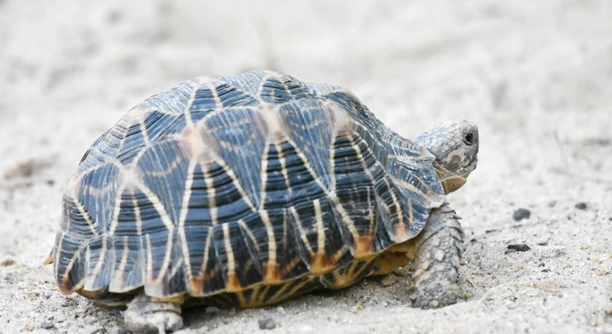
Turtles are fascinating pets, but keeping their tank smelling fresh can sometimes be a challenge. The water can easily become murky and unpleasant, making it harder to enjoy their company. A clean, fresh-smelling tank is key for both your turtle’s health and your enjoyment.
To maintain a fresh-smelling turtle tank, it’s essential to focus on regular cleaning, proper filtration, and appropriate water temperature. Reducing excess food waste and avoiding overfeeding also plays a crucial role in preventing odor buildup and ensuring a cleaner environment.
With the right steps, you can enjoy a pleasant-smelling tank while keeping your turtle healthy and happy. Let’s explore how simple changes can make a big difference.
Regular Tank Cleaning
Keeping a clean tank is the most effective way to prevent odors. Over time, leftover food, waste, and debris can quickly build up, causing the water to smell. It’s important to clean the tank thoroughly at least once a week, removing any excess waste. Scrub the sides and bottom of the tank with a soft brush and avoid using harsh chemicals that can harm your turtle. Changing the water regularly will also help keep the environment fresh and prevent the accumulation of harmful bacteria that contribute to bad smells.
A good rule of thumb is to replace 25-50% of the water every week. This helps maintain a healthy balance in the tank without overwhelming the filtration system. Regular cleaning is not only necessary for fresh-smelling water but also for keeping your turtle’s habitat clean and safe.
Having a consistent cleaning routine ensures your turtle is living in a healthy environment, which ultimately helps reduce the chances of unpleasant odors. Maintaining a clean tank is simple, but it has a significant impact on both the water quality and your turtle’s well-being.
Proper Filtration
Choosing the right filter is another critical factor. A good filter helps keep the water clear and free of debris. Filters should be sized appropriately for your tank’s volume, ensuring they can handle the water turnover effectively. Aim for a filter that can cycle the entire tank’s water at least once per hour.
A filter can catch much of the waste and excess food before it sinks to the bottom. However, it’s still important to clean the filter regularly to prevent clogging. It’s easy to forget about the filter, but it plays a huge role in preventing foul smells. When it’s working correctly, you’ll notice a significant reduction in odors and dirty water.
Avoid Overfeeding
Overfeeding your turtle leads to leftover food, which quickly decays and creates bad smells. Stick to a feeding schedule and only offer as much food as your turtle can consume in 15-20 minutes. This will help keep the water cleaner and prevent food from rotting in the tank.
It’s easy to overfeed, especially when your turtle looks up at you with those hungry eyes. But feeding them more than necessary will only contribute to bad odors. The uneaten food decomposes in the water, breaking down into waste. This, in turn, raises ammonia levels and makes the water smell unpleasant. To help with this, remove any leftover food right away.
The key to proper feeding is finding the right balance. Feeding your turtle at the same time each day and ensuring it’s only enough to be consumed within a short period will help maintain a fresh tank. Monitoring your turtle’s appetite over time will help you understand its needs better.
Add Live Plants
Live plants can act as natural filters, absorbing waste products like nitrates and ammonia. They also provide hiding spots and enrichment for your turtle, making the tank feel more like its natural environment. By adding plants, you not only help the water stay fresher but also boost the overall well-being of your turtle.
Plants like anacharis or water lettuce are great choices for turtle tanks. These plants help absorb excess nutrients, reducing the chances of algae growth, which can create unpleasant odors. Additionally, they give your turtle something to explore and interact with. A well-planted tank encourages natural behaviors and keeps your turtle active.
When adding live plants, make sure they’re suitable for your turtle’s environment. Some species may try to eat the plants, so choose hardy, non-toxic ones that can withstand occasional nibbling. Plants help create a balanced tank and improve water quality, giving both you and your turtle a better experience.
Use Activated Carbon
Activated carbon is a great addition to any turtle tank. It helps remove odors, toxins, and impurities from the water. Adding it to your filter will make a noticeable difference in maintaining a fresh-smelling tank. Activated carbon also helps keep the water clear and clean.
You can find activated carbon in many aquarium filters. It’s easy to use and highly effective at absorbing unpleasant smells. Replace it every month to ensure it’s working properly. Activated carbon doesn’t just mask odors, it helps eliminate them by removing chemicals and waste products from the water, keeping the tank fresher longer.
Maintain Proper Water Temperature
Maintaining the right water temperature is essential for your turtle’s health and odor control. If the water is too warm, bacteria will thrive and cause bad smells. Keeping the tank at the proper temperature helps reduce the growth of these harmful bacteria.
Use a reliable water heater to keep the tank temperature consistent. For most turtles, the water temperature should be between 75-80°F (24-27°C). This temperature range ensures your turtle stays healthy and minimizes the chances of bacteria growing, thus helping to keep the tank from developing unpleasant odors.
FAQ
How often should I clean my turtle tank?
You should clean your turtle tank at least once a week. This includes removing any waste, cleaning the decorations and tank sides, and changing a portion of the water. Cleaning frequently helps maintain a healthy environment and reduces odors. However, if you notice any strong smells or cloudy water, it may be time for a more thorough cleaning. Regular cleaning not only keeps the tank smelling fresh but also helps prevent the growth of harmful bacteria, ensuring your turtle remains healthy.
Can I use bleach to clean my turtle tank?
No, bleach should never be used to clean your turtle tank. Bleach is toxic to turtles and other aquatic animals. Even after rinsing, traces of bleach can remain, harming your turtle. Instead, use vinegar or aquarium-safe cleaning products to disinfect the tank. These are much safer for both your turtle and the tank environment. Always rinse thoroughly after cleaning to ensure no cleaning residue remains.
Is it necessary to use a filter for my turtle tank?
Yes, a filter is essential for a turtle tank. Turtles produce a lot of waste, which can quickly pollute the water. A filter helps remove excess waste, uneaten food, and toxins, keeping the water clean and fresh. Without a filter, it would be much harder to maintain a healthy tank environment. Choose a filter that can handle the volume of your tank and replace the filter media regularly for the best results.
Why does my turtle tank still smell even after cleaning?
If your turtle tank still smells after cleaning, it could be due to a few reasons. One possibility is that the filter is not powerful enough for your tank size. Another common cause is overfeeding your turtle, leading to excess food breaking down in the water. The water temperature may also be too high, promoting bacterial growth. Ensure you’re not overfeeding and check the water temperature to make sure it stays between 75-80°F. Also, regularly clean your filter to keep it working effectively.
Can I add essential oils to my turtle tank to make it smell better?
No, you should never add essential oils to your turtle tank. Many essential oils are harmful to turtles and can affect their respiratory system. They also don’t address the root cause of tank odor, which is typically waste buildup or poor filtration. Instead, focus on proper tank maintenance, such as regular cleaning, a good filter, and managing water quality. These methods will help keep the tank fresh without risking your turtle’s health.
How can I prevent algae growth in my turtle tank?
Algae growth can be controlled by ensuring proper water filtration and limiting the amount of light your tank receives. Algae thrive in tanks with excessive nutrients and light. Avoid placing the tank in direct sunlight, and consider using a timer for artificial lighting. Regularly clean the tank and remove any visible algae to prevent it from spreading. If the tank water is high in nutrients, adding live plants can help absorb excess nitrates and reduce algae growth.
What type of substrate should I use in my turtle tank?
For turtle tanks, a simple, easy-to-clean substrate is ideal. Smooth river rocks, gravel, or no substrate at all work best. Avoid using sand or fine gravel, as it can be difficult to clean and may trap waste. Using a substrate like smooth river rocks also allows your turtle to dig around naturally. Whatever you choose, make sure to clean the substrate regularly to prevent it from becoming a breeding ground for bacteria.
Should I add a heater to my turtle tank?
Yes, adding a heater is important for maintaining the proper water temperature for your turtle. Most turtles require water temperatures between 75-80°F (24-27°C). If the water is too cold, your turtle could become stressed or even sick. Use a reliable aquarium heater with a thermostat to regulate the water temperature. Make sure the heater is designed for the size of your tank to avoid overheating or underheating the water.
How can I keep my turtle’s water clear?
To keep your turtle’s water clear, make sure you’re following a regular maintenance schedule. This includes cleaning the tank, changing part of the water, and maintaining the filter. A good filter can help keep the water clear by removing waste and impurities. Avoid overfeeding your turtle, as uneaten food can cloud the water. Also, ensure the water temperature is stable and not too high, as that can encourage bacteria and algae growth.
What plants are safe for my turtle tank?
Plants such as anacharis, water lettuce, and java moss are great for turtle tanks. These plants are hardy, safe for turtles to interact with, and help improve water quality. They absorb excess nutrients in the water, which helps prevent algae growth. However, some turtles may try to eat plants, so choose tough, non-toxic varieties that can withstand occasional nibbling. Avoid using plants that are toxic to turtles, such as lily pads and certain decorative aquarium plants.
How do I know if my turtle tank has poor water quality?
Signs of poor water quality include cloudy or discolored water, strong odors, and the presence of visible waste in the tank. If you notice these issues, it’s a sign that the tank may need more frequent cleaning or a better filtration system. You might also notice that your turtle seems lethargic or has changes in behavior, which can indicate poor water conditions. To confirm the water quality, you can test the water’s pH, ammonia, nitrate, and nitrite levels with an aquarium water test kit.
Final Thoughts
Keeping your turtle tank smelling fresh may take some effort, but the results are worth it. By following a few simple steps, such as regular cleaning, proper filtration, and careful feeding, you can significantly reduce odors and maintain a healthy environment for your turtle. Consistency is key when it comes to tank maintenance. By sticking to a routine and paying attention to details like water temperature and filter care, you’ll create a more pleasant space for both you and your turtle.
While it may seem like a lot of work, maintaining a fresh-smelling turtle tank becomes easier over time. Regular water changes, cleaning the tank every week, and ensuring your filter is up to the task will help keep the water clear and the smells at bay. Additionally, using activated carbon and adding live plants are simple yet effective ways to keep the tank fresh and help improve water quality. Don’t forget that overfeeding can lead to unnecessary waste and odors, so always be mindful of how much food you give your turtle.
Ultimately, a fresh-smelling tank isn’t just about keeping things pleasant for you. It’s about ensuring the best possible environment for your turtle. Keeping the water clean and free of harmful bacteria promotes your turtle’s health and helps reduce stress. As you continue to care for your turtle, remember that a little maintenance goes a long way in providing your pet with a safe and enjoyable home. With the right habits in place, your turtle’s tank will remain a happy, healthy space for years to come.

Hello,
If you enjoy the content that we create, please consider saying a "Thank You!" by leaving a tip.
Every little bit helps us continue crafting quality advice that supports the health, happiness, and well-being of pets around the world, for pets of all shapes, sizes, and species.
We really appreciate the kindness and support that you show us!