
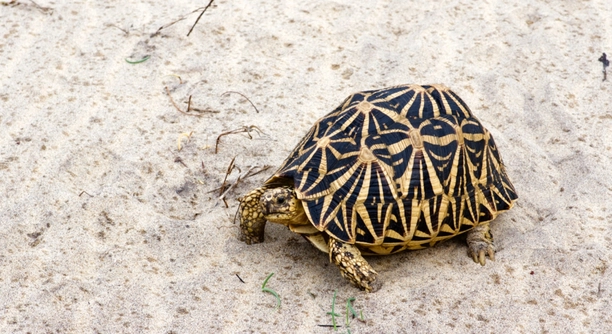
Is your turtle’s shell starting to look faded or losing its vibrant color? Changes in shell pigmentation can be concerning, especially if you’re unsure of the cause. Understanding why this happens can help you determine whether your turtle needs extra care.
A turtle’s shell may lose color due to aging, poor diet, inadequate UVB exposure, or underlying health issues. Nutritional deficiencies, fungal infections, and improper habitat conditions can also contribute to discoloration, making it essential to monitor your turtle’s environment and diet closely.
Recognizing the reason behind your turtle’s shell color changes is the first step to maintaining its well-being. Proper care and adjustments can help restore and preserve its shell’s natural appearance.
Common Reasons for Shell Discoloration
A turtle’s shell can lose color for various reasons, including natural aging, dietary deficiencies, and improper lighting. As turtles grow older, their shells may fade slightly, which is normal. However, if discoloration happens quickly or unevenly, it could indicate an issue. A lack of essential nutrients, particularly calcium and vitamin D3, can weaken the shell and cause it to appear dull. Additionally, inadequate UVB exposure can prevent proper shell development, leading to fading or even soft spots. Ensuring your turtle has the right diet and environment is crucial for maintaining a healthy shell.
A poor diet lacking essential vitamins and minerals can cause shell discoloration. Without the right nutrients, the shell may lose its natural shine and strength. Offering a balanced diet with calcium-rich foods and proper supplements can help prevent these issues.
If your turtle’s shell is fading due to improper lighting, investing in a high-quality UVB lamp can make a difference. UVB rays help with calcium absorption, keeping the shell strong and vibrant. Without sufficient UVB exposure, turtles can develop health problems, including metabolic bone disease. Ensuring your turtle gets enough light and a proper basking area will support its overall shell health.
How to Restore Your Turtle’s Shell Color
If your turtle’s shell has faded, improving its diet and environment is the first step. Proper nutrition, sufficient UVB exposure, and clean water conditions can help restore color and overall shell health.
A well-balanced diet should include leafy greens, protein sources, and calcium supplements. Dark leafy greens like kale and dandelion provide essential vitamins, while cuttlebone or calcium powder ensures strong shell growth. If your turtle eats pellets, choose ones with added vitamins and minerals. Avoid feeding excessive protein, as it can cause shell deformities and discoloration over time.
Water quality also plays a role in shell health. Dirty or untreated water can lead to infections, causing the shell to develop white patches or a dull appearance. Regular water changes and a strong filtration system keep the habitat clean and prevent shell problems. Additionally, proper basking temperatures and humidity levels help maintain a healthy shell. Ensuring these factors are in place will help your turtle regain its natural shell color and stay healthy.
Signs of an Unhealthy Shell
A turtle’s shell should be smooth, firm, and evenly colored. If you notice soft spots, cracks, or unusual growths, these could be signs of a health issue. Discoloration, flaking, or an unpleasant odor may also indicate infection or poor environmental conditions.
Shell rot is a serious condition caused by bacterial or fungal infections. It often appears as white or discolored patches, deep pits, or a foul smell. If left untreated, it can spread and lead to serious health problems. Improper water quality, injuries, or a lack of UVB exposure can contribute to this condition. Treating shell rot requires cleaning the affected area and applying a veterinarian-recommended antiseptic. Ensuring a clean habitat and proper diet will also help prevent infections.
Soft shell syndrome occurs when a turtle’s shell lacks the necessary hardness. This is usually due to a calcium or vitamin D3 deficiency. Without enough calcium, the shell may feel rubbery or weak, making the turtle more vulnerable to injury. Providing calcium-rich foods, proper UVB lighting, and a balanced diet can help strengthen the shell. If the condition worsens, veterinary care may be necessary to correct any deficiencies and prevent further complications.
Preventing Shell Discoloration
A clean habitat with proper lighting and nutrition is essential for preventing shell discoloration. Regular water changes, a well-maintained filtration system, and a high-quality UVB lamp help keep the shell in good condition. Without these elements, turtles are more likely to develop shell problems.
A well-balanced diet plays a major role in shell health. Calcium, vitamin D3, and essential nutrients help maintain a strong, vibrant shell. Leafy greens, commercial turtle pellets, and occasional protein sources like insects or fish provide the necessary variety. Cuttlebone or calcium powder can be added to the diet to ensure sufficient calcium intake. Without proper nutrition, shells can become weak and lose their color over time.
Environmental factors also impact shell health. A basking area with the right temperature allows turtles to dry off properly, preventing fungal infections. Humidity levels should be monitored, as excessive moisture can lead to shell rot. Providing a stress-free environment with hiding spots and a proper tank setup helps keep your turtle healthy. Making these adjustments will reduce the chances of shell discoloration and other related issues.
When to See a Veterinarian
If your turtle’s shell continues to lose color despite proper care, a veterinarian visit may be necessary. Persistent discoloration, soft spots, foul odor, or visible cracks could indicate an underlying issue. A professional can diagnose infections, metabolic bone disease, or other conditions requiring medical treatment.
Sudden changes in shell appearance, combined with lethargy or loss of appetite, are warning signs. Delaying treatment can worsen health problems, making recovery more difficult. A vet can recommend dietary changes, prescribe medications, or suggest habitat improvements to restore shell health. Regular checkups help catch issues early and keep your turtle in the best condition.
Importance of Regular Shell Care
Keeping a turtle’s shell healthy requires consistent care. Routine shell inspections help detect changes early, preventing serious issues. Gently cleaning the shell with a soft brush can remove dirt or algae buildup. Avoid harsh chemicals, as they can damage the shell’s natural protective layer.
Final Thoughts
Proper diet, lighting, and habitat maintenance are key to preventing shell discoloration. Addressing issues early ensures your turtle stays healthy and strong. Small changes in care can make a significant difference in maintaining a vibrant and resilient shell.
FAQ
Why is my turtle’s shell turning white?
A white shell can be a sign of shell rot or fungal infection. If the discoloration is soft, has a foul odor, or is accompanied by an open wound, it is likely an infection. Poor water quality and inadequate UVB lighting are common causes. Keeping the habitat clean and providing proper diet and UVB exposure can help prevent and treat these issues. In some cases, consulting a vet is necessary for treatment.
Can a turtle’s shell color change naturally?
Yes, a turtle’s shell can change color naturally as it ages. Shell color may fade or become lighter with time, but this is generally normal. However, if the color change happens suddenly or unevenly, it could indicate a health issue or environmental problem that needs attention.
How can I tell if my turtle’s shell is healthy?
A healthy shell should be smooth, firm, and evenly colored. Look for any cracks, soft spots, discoloration, or unusual growths. If the shell feels soft or is covered in patches, these are signs of possible health issues like shell rot or malnutrition.
Can diet affect my turtle’s shell color?
Yes, a poor diet can lead to discoloration or weakness in a turtle’s shell. Turtles need a balanced diet with proper levels of calcium, vitamin D3, and other essential nutrients to maintain healthy shells. A lack of these nutrients can cause the shell to become dull or even soft, leading to deformities or color changes.
What is shell rot and how do I treat it?
Shell rot is a bacterial or fungal infection that causes the shell to develop soft, discolored, or decayed areas. It’s often caused by poor water conditions or trauma to the shell. Treatment usually involves cleaning the affected area with a mild antiseptic, followed by application of a vet-recommended treatment. It’s important to address the underlying cause, such as water quality or injury, to prevent recurrence.
How can I prevent my turtle’s shell from turning black?
Black spots on a turtle’s shell may indicate fungal infections, injury, or excessive buildup of organic material. Maintaining clean water and providing proper UVB exposure can help prevent such issues. Regular shell inspections and routine cleaning of the tank will also keep the shell in better condition.
Is it normal for my turtle’s shell to have some peeling?
Peeling is normal as turtles shed their outer scutes (the hard, outer layer of their shell). This process is part of natural growth. However, if the peeling is excessive or reveals an unhealthy, soft shell underneath, it could signal an issue. Monitoring the peeling and ensuring the turtle has a healthy diet and environment can prevent problems.
How do I provide proper UVB lighting for my turtle?
UVB lighting is essential for a turtle’s health, as it helps them absorb calcium and maintain strong shells. Use a high-quality UVB bulb designed for reptiles and ensure it is positioned correctly within the tank. Replace the bulb every 6–12 months, as its UVB output decreases over time, even if it still appears to light up.
Can too much calcium harm my turtle?
Too much calcium can lead to metabolic bone disease and other health problems. It’s important to provide calcium in the right amount, typically through foods like leafy greens and cuttlebone, and to supplement as needed. Balance calcium with proper UVB exposure to avoid overdosing.
How can I help my turtle’s shell heal from an injury?
If your turtle’s shell is injured, it’s important to clean the wound gently with warm water and apply a non-toxic antiseptic. In more severe cases, a vet may need to intervene to prevent infection. Keeping the turtle in a clean, dry environment and ensuring proper nutrition will support healing.
What should I do if my turtle’s shell is soft?
A soft shell may indicate a calcium deficiency or lack of UVB light. Provide calcium supplements and improve the turtle’s UVB exposure by offering more time under the proper lighting. Ensure the turtle’s diet includes calcium-rich foods, and consider visiting a vet if the problem persists.
How often should I change the water in my turtle’s tank?
Water changes should be done regularly to maintain a clean environment. For a small tank, changing 25–50% of the water weekly is ideal. Larger tanks may require less frequent changes but should still be cleaned regularly. Use a reliable filtration system to help maintain water quality between changes.
Why does my turtle’s shell look shiny or greasy?
Excessive shine or greasiness on the shell may be caused by overexposure to oils, such as from oily foods or environmental pollutants. Clean the shell gently with water and a soft cloth. Make sure your turtle is fed a balanced diet, and the tank is kept free of pollutants.
Can I use a turtle shell conditioner?
While some people use conditioners on turtle shells, they’re generally unnecessary and may even cause harm. Turtles naturally keep their shells clean through basking and swimming. Over-applying oils or waxes can clog pores and affect shell health. Focus on proper nutrition, UVB exposure, and clean water for better shell health.
How long does it take for a turtle’s shell to heal?
The healing process for a turtle’s shell depends on the severity of the damage and the care provided. Minor injuries can heal in a few weeks, while more serious cases may take months. Consistent care, including clean water, a balanced diet, and proper lighting, will support faster healing.
Are there any specific types of food that help with shell health?
Leafy greens like kale, dandelion greens, and collard greens are excellent sources of calcium and vitamins that promote shell health. Additionally, protein sources such as worms, crickets, and fish should be provided in moderation. Using calcium supplements and cuttlebone can also help strengthen the shell.
Final Thoughts
Taking care of a turtle’s shell requires attention to both their diet and environment. Shell discoloration, softness, or any other visible changes are often signs that something isn’t right. In many cases, poor water quality, lack of UVB exposure, or an unbalanced diet are the main factors behind shell problems. By providing proper lighting, ensuring a balanced diet, and maintaining clean water, you can help prevent most of these issues from occurring. Regularly checking your turtle’s shell will also help catch potential problems early, making it easier to treat them before they become serious.
The health of your turtle’s shell is directly linked to their overall well-being. If you notice changes in color, texture, or if there are any signs of injury or infection, it’s crucial to act quickly. In some cases, seeking advice from a vet is necessary to ensure proper care and treatment. Taking preventive measures, such as offering a well-rounded diet and providing the correct environmental conditions, will greatly reduce the chances of shell issues in the future. Remember that turtles, like all pets, require ongoing care to thrive.
Ultimately, understanding your turtle’s needs and responding to changes in their health will help keep their shell in good condition. Shell health can be an indicator of larger issues within their habitat or diet, so staying informed and proactive is key. By making sure they have everything they need to thrive, you’ll be able to ensure your turtle remains happy and healthy for years to come.

Hello,
If you enjoy the content that we create, please consider saying a "Thank You!" by leaving a tip.
Every little bit helps us continue crafting quality advice that supports the health, happiness, and well-being of pets around the world, for pets of all shapes, sizes, and species.
We really appreciate the kindness and support that you show us!