
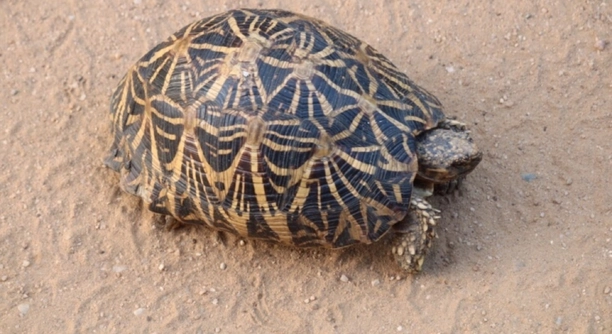
Moving to a new home can be a stressful experience for a turtle. Adjusting to unfamiliar surroundings and changes in care can take time. Understanding how to help your turtle settle in can make the transition smoother.
The most effective way to help your turtle adjust is by maintaining a familiar routine. Ensuring a proper enclosure setup, providing adequate lighting, temperature, and water quality, along with minimal stress, helps your turtle feel more secure and comfortable in its new home.
Proper care and consistency are key to a successful transition. Ensuring your turtle’s environment is close to what it is used to will make a big difference in its adjustment process.
Set Up a Familiar Environment
When you first bring your turtle into its new home, the setup is crucial. Use a tank or enclosure that’s large enough for your turtle to move around comfortably. Ensure the water is clean and the correct temperature. A proper basking area with a heat lamp is also essential for your turtle to regulate its body temperature. Try to recreate the conditions of your turtle’s previous home as much as possible, as this will help reduce stress.
Ensure the water quality is monitored regularly, as poor water conditions can affect your turtle’s health. Also, try to maintain the same type of substrate or bedding that your turtle is accustomed to. The more familiar things feel, the quicker it will adapt.
By replicating their original environment, you provide your turtle with a sense of security. Consistency in temperature and lighting is key to helping your turtle feel at home. This reduces stress and promotes a smoother adjustment.
Minimize Stressful Interactions
Turtles can become stressed by excessive handling or disruptions. Limit interactions, especially during the first few days, to allow them time to acclimate. Avoid noisy areas or too much movement around their enclosure. Keep the lights dim and avoid sudden changes in their environment.
Turtles prefer a calm, quiet space. Providing them with a peaceful atmosphere helps reduce anxiety. This allows them to adapt to their new home without unnecessary stressors.
Offer a Balanced Diet
Turtles need a varied diet to stay healthy. Provide a mix of commercial turtle food and fresh vegetables like leafy greens. Some turtles also enjoy fruits like strawberries or bananas in moderation. Make sure to offer food that meets your turtle’s specific species requirements.
Feeding your turtle properly ensures it gets the right nutrients for growth and health. Keep track of the amount of food you provide to avoid overfeeding, which can lead to health problems like obesity. Fresh, clean food should be offered daily, along with occasional treats. Be mindful of your turtle’s age and species when choosing the right food.
It’s important to provide a balance of protein, vitamins, and minerals in your turtle’s diet. If you’re unsure of the right food choices, do some research on your turtle’s specific needs. A varied and balanced diet will help your turtle feel at home and thrive in its new environment.
Maintain Proper Lighting and Temperature
Turtles need proper lighting and temperature to stay healthy. Ensure they have access to both UVB lighting and a heat source. UVB helps them absorb calcium, while heat keeps their metabolism in balance. The basking spot should be around 85-90°F, and the water should be warmer than room temperature.
Without the right light and temperature, your turtle may become stressed or even sick. Make sure the lighting is on a timer to replicate natural day and night cycles. Additionally, use a thermometer to keep track of the water and basking area temperatures. This consistency helps your turtle adjust to its new environment without issues.
Ensure the light is placed in a way that your turtle can enjoy it comfortably. The basking area should be warm enough for your turtle to soak up the heat, while the rest of the tank should have cooler zones. Proper lighting and temperature play a big role in their well-being.
Provide Hiding Spots
Turtles feel safer when they have places to hide. Adding rocks, plants, or small caves to their enclosure gives them an opportunity to retreat when they need rest. This helps reduce stress and makes your turtle feel secure.
Having hiding spots is crucial for your turtle’s mental well-being. They are naturally shy creatures and need time alone to feel comfortable. Make sure the hiding spots are large enough for your turtle to fit into but still accessible. The more they feel in control of their space, the faster they’ll adjust.
Creating a habitat that includes hiding spaces helps your turtle acclimate to its new environment. It gives them a chance to retreat when they feel overwhelmed, promoting a calm and safe transition.
Monitor Water Quality Regularly
Water quality is key to your turtle’s health. Test the water’s pH levels, ammonia, nitrite, and nitrate levels regularly. Keeping the water clean prevents illness and ensures your turtle has a comfortable living space. Change the water often to maintain quality.
Poor water quality can stress your turtle and lead to health problems. Filtration systems can help maintain clean water, but it’s important to monitor it frequently. A well-maintained tank will provide a healthy environment for your turtle to thrive. Make water changes part of your routine.
A healthy tank means a healthy turtle. Regular water testing and maintenance will go a long way in helping your turtle adjust to its new home. Keeping water quality in check ensures long-term health.
Keep the Tank Clean
Regular cleaning of your turtle’s tank is essential. Remove uneaten food, waste, and debris to prevent harmful bacteria from growing. Use a soft sponge or aquarium-safe cleaner to avoid damaging the tank’s surface. A clean environment helps your turtle feel comfortable.
Maintaining a clean tank not only keeps your turtle healthy but also reduces stress. Clean the tank at least once a week, or more often if necessary. A tidy tank with fresh water helps your turtle feel secure in its new surroundings. Keeping it clean is key to their adjustment.
A clean tank is an essential part of helping your turtle feel at home. Regular cleaning ensures your turtle’s health and comfort as it adjusts to its new habitat.
FAQ
How long does it take for a turtle to adjust to a new home?
The time it takes for a turtle to adjust to a new environment can vary, but typically it takes anywhere from a few days to a couple of weeks. The key to speeding up this adjustment is ensuring the new home is as close as possible to their previous environment. Consistency in water temperature, lighting, and feeding routines can make a big difference in how quickly your turtle feels at home.
What should I do if my turtle isn’t eating after moving?
It’s not uncommon for turtles to refuse food when they first move to a new environment. Stress from the transition can cause this. Try offering familiar foods and maintain a calm, quiet environment. If the problem persists for more than a few days, check water quality and temperature to ensure they are within the ideal range for your turtle’s species.
Can I handle my turtle right after moving it into its new home?
It’s best to avoid handling your turtle for the first few days to allow it to acclimate to its new surroundings. Turtles can get stressed by too much interaction, especially when adjusting to a new environment. Let your turtle settle in, and once it begins to show signs of curiosity or comfort, you can start to handle it gently.
What type of substrate should I use in my turtle’s enclosure?
The substrate you choose depends on your turtle’s species. Some turtles do well with a sandy substrate, while others prefer smooth river rocks or a bare-bottom tank. The substrate should be easy to clean and should not pose a risk if your turtle eats it. Avoid substrates that could trap waste or harbor bacteria.
How often should I change the water in my turtle’s tank?
Water changes should be done at least once a week, but this can vary depending on the size of the tank and the filtration system. If your tank is small or the water becomes cloudy quickly, you may need to change the water more often. Regular water testing will help you determine the frequency of water changes.
How can I tell if my turtle is stressed?
Signs of stress in turtles include loss of appetite, hiding more than usual, and swimming erratically. A stressed turtle might also show physical signs like shell discoloration or lack of energy. Keeping the tank clean, maintaining the right temperature, and minimizing handling can help reduce stress.
Do turtles need UVB light in their enclosure?
Yes, turtles need UVB light to help them process calcium and maintain strong bones. UVB light should be provided for about 10-12 hours a day, mimicking natural daylight. Without proper UVB exposure, turtles can suffer from metabolic bone disease, so it’s essential to include this in their setup.
What temperature should the water be for my turtle?
Water temperature should generally be kept between 75°F and 80°F for most species of freshwater turtles. Be sure to research the specific needs of your turtle’s species, as some may prefer slightly cooler or warmer temperatures. A water heater with a thermostat can help regulate the temperature to avoid fluctuations.
Is it okay to keep more than one turtle in the same enclosure?
Turtles are generally solitary animals and can become territorial, especially when they’re adjusting to a new home. It’s possible to keep more than one turtle, but it’s important to monitor them for signs of aggression. Ensure there is enough space, hiding spots, and basking areas for each turtle to prevent fights.
How do I know if my turtle is healthy?
A healthy turtle is active, has clear eyes, and a smooth, clean shell. It should swim and bask normally and eat a balanced diet. If your turtle is lethargic, has cloudy eyes, or shows signs of shell damage, it may indicate a health problem, and a vet visit is recommended.
Can I use tap water in my turtle’s tank?
Tap water can be used, but it may contain chlorine, chloramine, or other chemicals harmful to turtles. It’s recommended to use a water conditioner that removes these chemicals. Alternatively, you can use dechlorinated water or let tap water sit for 24-48 hours to allow chlorine to evaporate before adding it to the tank.
Do turtles need a basking area?
Yes, turtles need a basking area where they can dry off and absorb heat from a lamp. The basking area should be at a temperature of around 85°F to 90°F, depending on the species. This area is essential for regulating their body temperature and promoting overall health.
What kind of lighting do I need for my turtle?
Turtles need both UVA and UVB lighting to stay healthy. UVA light helps regulate their behavior, while UVB light is essential for calcium absorption and shell growth. Use a UVB light that provides proper coverage and is designed specifically for reptiles.
How do I clean my turtle’s tank properly?
Cleaning the tank involves removing uneaten food, waste, and debris, as well as changing the water regularly. Use a soft sponge or brush to clean the surfaces of the tank, avoiding harsh chemicals. Be sure to clean the filter and check the water quality frequently.
Can I use decorative items in my turtle’s tank?
You can decorate your turtle’s tank with rocks, plants, and safe decorations, as long as they don’t pose a risk. Avoid items with sharp edges that could harm your turtle, and make sure any artificial plants are turtle-safe. Decorations can provide hiding places and make the tank more stimulating for your turtle.
What do I do if my turtle’s shell is damaged?
If your turtle’s shell is cracked or injured, it’s important to seek immediate veterinary care. A damaged shell can lead to infection or other health complications. Keep your turtle in clean, warm water and avoid handling it until it can be properly treated by a vet.
How do I provide enrichment for my turtle?
Providing enrichment for your turtle includes offering a variety of objects to explore, such as rocks, logs, or plants. You can also introduce new food items occasionally to stimulate its senses. Enrichment helps reduce boredom and keeps your turtle mentally and physically healthy.
Final Thoughts
Adjusting to a new home can be a challenging experience for a turtle, but with the right approach, the process can be smooth and stress-free. The most important factor is to replicate the conditions of their previous environment as closely as possible. This includes maintaining the proper water temperature, providing UVB lighting, and ensuring that their enclosure is spacious enough for them to move around comfortably. These simple adjustments can go a long way in helping your turtle settle into its new home without causing unnecessary stress or discomfort.
In addition to setting up the right environment, giving your turtle time to acclimate is crucial. Avoid handling them too much during the first few days as they adjust to the changes. Keep the area calm and quiet, and give them a chance to explore their new home at their own pace. If your turtle isn’t eating or acting normal at first, don’t panic. It’s common for them to be stressed during the transition, and they’ll likely return to their usual behavior once they feel more comfortable.
Remember that turtles are creatures of habit, and they thrive in environments that offer consistency. The more you can stick to a regular routine for feeding, cleaning, and lighting, the better your turtle will adjust. Patience is key throughout this process. It may take time, but with proper care, your turtle will soon feel at home in its new space, and you can enjoy watching it thrive in its new environment.

Hello,
If you enjoy the content that we create, please consider saying a "Thank You!" by leaving a tip.
Every little bit helps us continue crafting quality advice that supports the health, happiness, and well-being of pets around the world, for pets of all shapes, sizes, and species.
We really appreciate the kindness and support that you show us!