
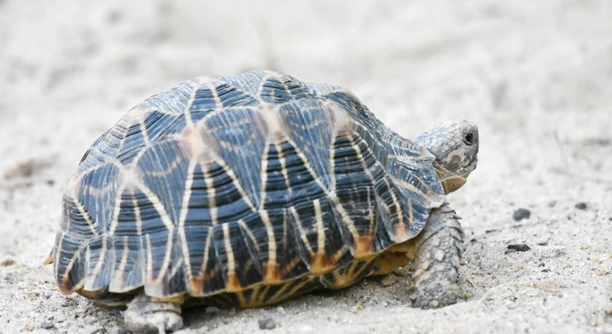
Are your turtle’s eyes looking red and irritated? Red eyes in turtles can be a sign of an underlying issue that needs attention. Understanding the possible causes can help you take the right steps to improve your pet’s health.
The most common causes of red eyes in turtles include vitamin A deficiency, bacterial infections, poor water quality, and physical injuries. Other potential factors are irritation from substrate, respiratory infections, and exposure to chemicals. Identifying the cause early can prevent long-term health complications.
Maintaining a clean habitat, providing proper nutrition, and monitoring for signs of illness can help keep your turtle’s eyes healthy.
Vitamin A Deficiency
A lack of vitamin A is a common reason turtles develop red, swollen eyes. Without enough vitamin A, their immune system weakens, making them more prone to infections. This deficiency can also lead to respiratory issues, lethargy, and changes in their skin or shell. If left untreated, it can severely impact their health. The main cause is an imbalanced diet, often lacking in dark leafy greens, carrots, and high-quality turtle pellets. Adding vitamin A-rich foods to their diet can help reverse symptoms. In more severe cases, a veterinarian may recommend vitamin A supplements or injections.
Turtles with vitamin A deficiency may have swollen eyelids, excessive tearing, and difficulty opening their eyes. Their appetite may also decrease, making the condition worse over time.
To prevent this issue, provide a well-balanced diet that includes a mix of leafy greens, carrots, squash, and commercial turtle food. A varied diet helps maintain overall health.
Bacterial Infections
Bacterial infections can develop when a turtle’s habitat is not properly maintained. Poor water quality, leftover food, and waste buildup create an environment where bacteria thrive. These infections can cause eye inflammation, redness, and discharge, making it difficult for turtles to see or move comfortably.
If a bacterial infection develops, it may require antibiotic treatment prescribed by a vet. Infections can spread quickly, affecting other parts of the body. Along with eye redness, turtles may show signs of lethargy and loss of appetite. Keeping the habitat clean is essential in preventing bacterial infections.
A proper filtration system is key to keeping the water clean and reducing bacterial growth. Water should be changed regularly to prevent contamination. Additionally, avoid overfeeding, as leftover food can promote bacterial buildup. Providing a basking area where your turtle can dry off completely also helps reduce the risk of infections. Clean water and proper care make a big difference.
Poor Water Quality
Dirty water can irritate a turtle’s eyes, leading to redness and swelling. Ammonia from waste, uneaten food, and algae buildup can quickly make the water unsafe. Without proper filtration and regular cleaning, bacteria and toxins accumulate, increasing the risk of infections and other health problems.
A good filtration system is essential for keeping the water clean. Regular partial water changes help remove waste buildup and prevent harmful bacteria from spreading. It’s important to check water parameters, such as pH and ammonia levels, to ensure they stay within a safe range. Overcrowding can also make water conditions worse, so provide enough space for your turtle to swim and bask.
If a turtle’s eyes appear red due to poor water quality, improving the habitat can help. Clean the tank, replace dirty water, and ensure proper filtration. Adding a UVB light source also supports eye health and overall well-being.
Physical Injuries
Scratches, bites, or accidental trauma can cause redness and swelling in a turtle’s eyes. Injuries often happen when multiple turtles are housed together, especially if they become aggressive over food or territory. Sharp decorations, rough substrate, or improper handling can also lead to eye damage.
If an injury occurs, remove any sharp objects from the enclosure and separate aggressive turtles to prevent further harm. A veterinarian may prescribe antibiotic drops if the eye is at risk of infection. Swelling and irritation should be monitored closely, as untreated injuries can lead to more serious complications. Keeping the enclosure safe and handling turtles gently can help avoid these issues.
To prevent injuries, provide a spacious habitat with smooth decorations and soft substrate. Avoid handling turtles roughly or too frequently. If aggression is an issue, consider giving each turtle its own space. A stress-free environment reduces the chances of physical harm and keeps turtles healthier overall.
Irritation from Substrate
Dusty or rough substrate can irritate a turtle’s eyes, leading to redness and discomfort. Sand, fine gravel, or bedding materials that create dust can easily get into their eyes, causing inflammation. Using a cleaner, softer substrate helps prevent eye irritation and keeps the enclosure safer.
Substrate should be rinsed thoroughly before adding it to the habitat. Avoid using materials that easily break down into dust or have sharp edges. If a turtle shows signs of eye irritation, switching to a smoother, larger-grain substrate or a bare-bottom tank setup can help reduce the problem.
Respiratory Infections
Respiratory infections can cause eye redness, swelling, and discharge. These infections often develop due to low temperatures, poor water quality, or high humidity. A turtle with a respiratory infection may also have nasal discharge, wheezing, or difficulty breathing. Immediate veterinary care is necessary to prevent serious complications.
Exposure to Chemicals
Strong chemicals in tap water, cleaning products, or certain decorations can irritate a turtle’s eyes. Chlorine and ammonia in untreated water are common causes. Using a water conditioner and rinsing all tank decorations thoroughly before placing them inside can help prevent chemical-related eye problems.
FAQ
Can red eyes in turtles heal on their own?
It depends on the cause. Minor irritation from dust or water quality issues may improve with a cleaner habitat and proper care. However, infections, injuries, and serious health problems require veterinary attention. If redness persists for more than a few days, treatment is necessary.
How can I tell if my turtle’s red eyes are due to an infection?
Signs of infection include swelling, discharge, excessive blinking, and difficulty opening the eyes. A turtle with an eye infection may also be less active and refuse to eat. If these symptoms appear, a vet should evaluate the turtle and provide the necessary medication.
What should I do if my turtle’s eyes are swollen shut?
Swollen eyes can indicate a severe infection, vitamin A deficiency, or poor water conditions. Start by improving water quality and ensuring the turtle gets enough UVB exposure. If swelling doesn’t improve, a vet may prescribe eye drops, antibiotics, or vitamin supplements.
Can poor diet contribute to red eyes in turtles?
Yes, a lack of essential nutrients, especially vitamin A, can lead to eye problems. Turtles need a balanced diet with leafy greens, vegetables, and high-quality pellets. Foods like carrots, sweet potatoes, and squash are rich in vitamin A and help support eye health.
Is it safe to use human eye drops on a turtle?
No, human eye drops can be harmful to turtles. Only use treatments recommended by a veterinarian. If a turtle’s eyes are irritated, rinsing them with clean, dechlorinated water or a reptile-safe saline solution may provide temporary relief until a vet visit.
How often should I clean my turtle’s tank to prevent red eyes?
Partial water changes should be done at least once a week, and the entire tank should be deep cleaned monthly. A strong filtration system helps keep water quality stable. Regular cleaning reduces bacteria buildup, preventing eye irritation and other health problems.
Can tap water cause red eyes in turtles?
Yes, untreated tap water contains chlorine and other chemicals that can irritate a turtle’s eyes. Always use a water conditioner to remove harmful substances before adding water to the tank. Dechlorinated or filtered water is safer and reduces the risk of irritation.
Why does my turtle keep rubbing its eyes?
Frequent eye rubbing is a sign of discomfort or irritation. This could be due to poor water quality, dust in the environment, or an eye infection. Checking water conditions and inspecting the turtle for other symptoms can help determine the cause.
Should I separate a turtle with red eyes from other turtles?
If the redness is caused by an infection, the turtle should be quarantined to prevent spreading illness. Keeping it in a clean, stress-free environment allows for better recovery. If aggression from tank mates is causing injuries, consider providing separate enclosures.
Can UVB lighting help prevent red eyes in turtles?
Yes, UVB lighting is essential for a turtle’s overall health. It helps with vitamin D3 production and calcium absorption, preventing deficiencies that could lead to eye problems. A lack of UVB exposure weakens the immune system, making turtles more prone to infections.
Final Thoughts
Red eyes in turtles can stem from various causes, including infections, vitamin deficiencies, poor water quality, and environmental factors. Addressing the issue starts with identifying the root cause and making necessary adjustments. Clean water, a balanced diet, and proper lighting play a crucial role in maintaining eye health. If symptoms persist, a vet visit is essential to prevent complications. Ignoring the problem can lead to more severe infections, vision loss, or even long-term health issues. Being proactive about your turtle’s care helps ensure it stays healthy and comfortable.
Preventive measures are the best way to avoid eye problems in turtles. Keeping their habitat clean, maintaining proper humidity levels, and providing a well-rounded diet all contribute to their overall well-being. Regular checkups, both at home and with a vet, can help detect early signs of illness before they become serious. Even minor symptoms like slight redness or frequent eye rubbing should not be overlooked. Small changes, such as improving water conditions or adjusting UVB exposure, can make a significant difference in their health.
Caring for a turtle requires consistent attention and proper husbandry. Their environment directly affects their health, and simple mistakes can lead to serious problems. Taking the time to learn about their specific needs helps prevent avoidable health issues. If you notice any signs of distress, acting quickly can improve recovery chances. With proper care, turtles can live long, healthy lives without recurring eye problems.

Hello,
If you enjoy the content that we create, please consider saying a "Thank You!" by leaving a tip.
Every little bit helps us continue crafting quality advice that supports the health, happiness, and well-being of pets around the world, for pets of all shapes, sizes, and species.
We really appreciate the kindness and support that you show us!