
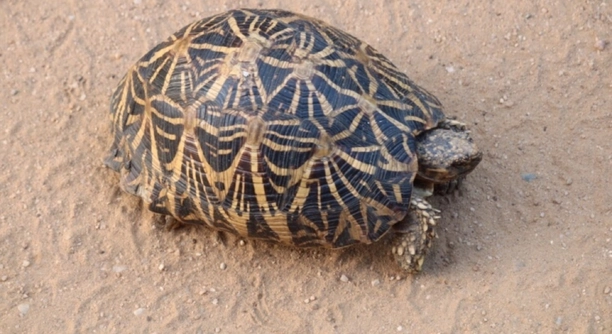
Turtles are fascinating creatures, and many people enjoy keeping them as pets. However, when a turtle’s shell starts developing lumps, it can be concerning. Understanding the causes of these changes can help ensure your turtle stays healthy.
The lumps on your turtle’s shell can be caused by a variety of factors, such as infections, improper diet, or even genetic issues. These changes may indicate something serious, and addressing them early can help your turtle recover.
Knowing the cause behind these lumps is key to finding the right solution. In this article, we will go over the possible reasons and what steps you can take to care for your turtle.
Causes of Lumps on Your Turtle’s Shell
When you notice lumps on your turtle’s shell, it’s important to understand what could be causing them. These lumps can form due to a variety of reasons. One common cause is a bacterial or fungal infection. Infections can develop if your turtle’s shell is injured, or if its living conditions aren’t kept clean. Another reason could be a vitamin or mineral deficiency. Turtles require a balanced diet, and without it, they can develop shell deformities or lumps. Poor lighting or temperature in their habitat can also contribute to growths on their shell.
If you see lumps, it’s best to get a closer look. The lumps might not always indicate a serious issue, but it’s crucial to keep track of any changes. These could sometimes resolve on their own if conditions improve, but early intervention can help prevent them from worsening.
A change in diet or habitat adjustments may solve minor issues, but in some cases, a visit to the vet is needed.
When to See a Vet
If the lumps on your turtle’s shell continue to grow or worsen, it’s time to consult a veterinarian.
A professional will be able to determine if the lumps are caused by something more serious, such as an infection, or if they are related to shell rot. While small bumps might not always need immediate care, persistent or enlarging lumps often require medical attention. A vet will examine your turtle and may suggest treatments like medication, dietary adjustments, or specific care for the shell to prevent further damage. Prompt care can make a significant difference in your turtle’s recovery.
Types of Shell Lumps
Shell lumps can vary in appearance and cause. They may be raised, soft, hard, or even discolored. Raised lumps, especially those with a soft texture, could indicate infection or shell rot. Hard lumps that don’t seem to cause pain could be signs of a mineral imbalance. Sometimes, the lumps could be more cosmetic, like growths from previous injuries.
It’s important to closely examine the color and feel of the lump. A soft, swollen lump can indicate an infection, which could worsen if untreated. These types of growths may appear near the edges of the shell or in the middle, depending on where the damage or infection started. Hard lumps, on the other hand, might not be as urgent, but they still need attention.
Regardless of the type, it’s best to monitor any changes in the lumps. Even if they seem harmless, tracking their size and appearance will help you catch any potential problems before they develop into something more severe.
Preventing Lumps from Forming
The key to preventing lumps is maintaining proper care for your turtle. A clean, dry environment is essential, as bacteria and fungus thrive in dirty conditions. Make sure to clean your turtle’s habitat regularly to avoid infections that could lead to lumps. Keep the water temperature and humidity levels consistent, as changes can stress the turtle and affect its shell health.
Proper lighting is another important factor. Turtles need access to UVB light to process calcium, which helps prevent shell deformities. Without it, your turtle may develop soft, weak shells that are more susceptible to lumps or growths. Providing a balanced diet with the right nutrients can help keep the shell healthy and strong. A mix of high-quality turtle pellets, leafy greens, and the occasional protein will provide the nutrition needed.
If you’re not sure about your turtle’s environment, consult with a vet or turtle specialist. They can help assess its living conditions and make recommendations for improvement.
Shell Rot and Infections
Shell rot is a common problem in turtles, often caused by bacterial or fungal infections. These infections usually occur when a turtle’s shell gets damaged or exposed to contaminated water. If untreated, shell rot can lead to more severe lumps or sores that require medical attention.
Signs of shell rot include soft, discolored patches on the shell. These patches can be yellow, brown, or black. If you notice any of these signs, it’s important to act quickly. Keeping your turtle’s habitat clean and ensuring it isn’t exposed to harmful bacteria will help prevent infections from forming.
Proper Diet for Healthy Shells
A healthy diet is crucial to preventing shell problems. Turtles need a well-balanced diet with calcium and other essential nutrients to maintain shell strength. A lack of calcium can lead to weak shells, which may cause lumps and deformities.
Offering a variety of vegetables, like collard greens and dandelion leaves, along with occasional protein such as worms or insects, helps keep your turtle healthy. You can also provide a calcium supplement to ensure they are getting enough of this vital nutrient. This balanced diet is a good foundation for strong, healthy shells.
FAQ
What are the most common reasons for lumps on a turtle’s shell?
Lumps on a turtle’s shell are most commonly caused by infections, poor diet, or environmental factors. Bacterial or fungal infections can occur if the shell is injured or if the living environment is too dirty. A diet lacking in essential nutrients, especially calcium, can lead to weak shells and growths. In some cases, lumps may also appear due to genetic factors or as a result of trauma.
How can I tell if my turtle’s lumps are from an infection?
Infections often cause lumps that are soft, swollen, and sometimes discolored. You might also notice foul smells or a change in texture around the lump. If the lump seems tender or if your turtle is acting differently (such as not eating or swimming), it could be an infection. It’s important to get a vet’s opinion if you notice these signs.
Can poor diet cause lumps on a turtle’s shell?
Yes, a poor diet can contribute to lumps. Turtles require a balanced diet with adequate amounts of calcium, vitamins, and minerals. Without proper nutrition, their shells can become weak, leading to growths or deformities. A lack of calcium, in particular, can cause the shell to soften, increasing the likelihood of lumps or other shell-related issues.
What should I do if I notice a lump on my turtle’s shell?
First, assess the lump’s appearance and any changes in behavior. If the lump appears soft, swollen, or discolored, it might be best to consult a veterinarian. Regularly check the lump for growth or other changes, and keep the turtle’s environment clean. Adjusting their diet or living conditions might help, but a vet visit is crucial if you’re unsure.
Are lumps on a turtle’s shell always a sign of a serious problem?
Not always. Some lumps may be harmless and could simply be part of the turtle’s natural growth process. However, it’s important to monitor the lump and check for any changes in size, shape, or color. If the lump continues to grow or seems to cause your turtle distress, it’s a good idea to consult a veterinarian to rule out any serious issues.
How can I prevent lumps from forming on my turtle’s shell?
Prevention starts with maintaining a clean and healthy environment for your turtle. Make sure the tank is free of bacteria, and the water is changed regularly. Proper lighting, especially UVB light, is essential for shell health. Providing a balanced diet with adequate calcium and other nutrients can also help keep the shell strong and free of lumps.
Is shell rot the same as lumps on the shell?
No, shell rot is a type of infection that leads to soft, decaying areas on the shell, whereas lumps are often raised growths. Shell rot can cause lumps if it is left untreated and becomes severe. If you notice soft or discolored spots, it may be shell rot, which requires immediate attention to prevent further damage.
Can turtles recover from lumps on their shells?
Yes, many turtles can recover from lumps with the right treatment. If the lumps are caused by infections, antibiotics or antifungal treatments might be necessary. Adjusting their diet and habitat conditions can also help the healing process. In some cases, surgery may be required to remove larger lumps, but early detection improves the chances of recovery.
Are there any home remedies to treat lumps on a turtle’s shell?
While it’s best to consult a veterinarian for proper treatment, there are a few things you can do at home to help your turtle. Ensure that the tank is clean and the water is filtered properly to prevent infections. Offering a proper diet rich in calcium and UVB light can support the healing process. However, if the lumps appear to be growing or causing distress, a vet’s guidance is essential.
How often should I check my turtle’s shell for lumps?
It’s a good idea to check your turtle’s shell regularly, at least once a week. Inspecting your turtle during routine feeding or cleaning time makes it easy to spot any changes in the shell. Early detection of lumps or changes can prevent small issues from becoming larger, more serious problems.
Can stress cause lumps on a turtle’s shell?
Yes, stress can impact a turtle’s health in many ways, including causing lumps on the shell. Turtles that are stressed due to improper tank conditions, such as poor water quality, temperature fluctuations, or overcrowding, may be more prone to developing shell problems. Reducing stress by improving their environment can help prevent lump formation.
What kind of vet should I take my turtle to?
When it comes to treating lumps on your turtle’s shell, it’s best to visit a vet who specializes in reptiles. Reptile veterinarians have the knowledge and experience to diagnose and treat turtle health problems effectively. They can provide the proper treatments and advice based on your turtle’s specific needs.
Is it possible for lumps to go away on their own?
Some lumps, especially those caused by minor injuries or temporary conditions, may resolve on their own. However, it’s still important to monitor them closely. If the lump continues to grow, changes in texture, or causes discomfort to your turtle, it’s essential to seek veterinary care.
Final Thoughts
Dealing with lumps on your turtle’s shell can be a stressful experience, but it’s important to remember that not all lumps are serious. In many cases, lumps may be harmless and may not require any immediate action. However, keeping a close eye on your turtle’s shell is essential to spotting any potential problems early. Regularly checking for changes in the size, shape, or color of the lump will help you stay informed about your turtle’s health. If you notice any signs of infection or if the lumps continue to grow, it’s always best to consult with a vet.
A healthy environment plays a significant role in preventing shell issues. Ensuring that your turtle’s habitat is clean, well-maintained, and free of harmful bacteria or fungi can help minimize the risk of infections. Also, providing your turtle with the right diet, especially one rich in calcium and other essential nutrients, will go a long way in promoting a strong, healthy shell. Proper lighting is another key factor, as turtles need UVB light to process calcium effectively. A well-balanced diet and proper care can help your turtle maintain a healthy shell, free of lumps or deformities.
While lumps on a turtle’s shell may seem worrying at first, understanding their possible causes and knowing when to seek professional help can make a big difference. In many cases, simple changes to the turtle’s care routine can resolve minor issues. However, if the lumps are a sign of something more serious, early detection and treatment are crucial for the turtle’s recovery. By keeping your turtle’s environment clean, offering a balanced diet, and monitoring its shell regularly, you can ensure that your turtle stays healthy and happy for years to come.

Hello,
If you enjoy the content that we create, please consider saying a "Thank You!" by leaving a tip.
Every little bit helps us continue crafting quality advice that supports the health, happiness, and well-being of pets around the world, for pets of all shapes, sizes, and species.
We really appreciate the kindness and support that you show us!