
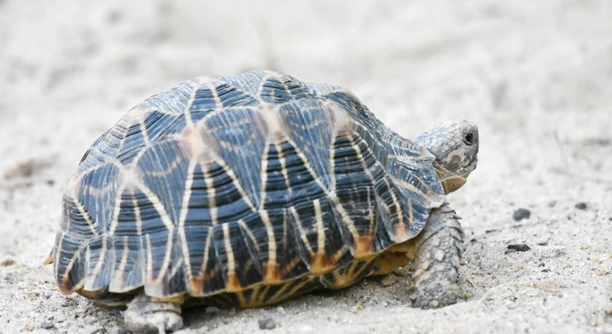
Turtles are amazing pets, but their water can sometimes get smelly. If you notice a bad odor coming from their tank, it could be due to several factors that can be easily fixed.
Turtle water can smell bad due to improper filtration, poor tank maintenance, overfeeding, a lack of cleaning, unhealthy tank mates, or the growth of harmful bacteria or algae. Each of these factors can contribute to an unpleasant odor.
By understanding the causes behind the smell, you can make simple changes to improve your turtle’s habitat. We’ll explore some common factors that can help reduce the bad odor in your turtle’s water.
Poor Filtration System
When it comes to turtles, proper filtration is a must. Without it, waste and debris build up quickly in the water, leading to unpleasant smells. An inefficient filter can cause water to become cloudy and full of bacteria, which contributes to odors. Make sure the filter is the right size for your tank and that it is regularly cleaned. If you notice the water isn’t being filtered properly, it’s time to either replace the filter or upgrade it.
A filter should be cleaned about once a month. If it’s not doing its job, the water will begin to smell like old food and waste.
Regular water changes also help keep the smell in check. You can replace 25-50% of the water every week to reduce the buildup of waste. Additionally, make sure to scrub any surfaces in the tank, as bacteria can grow there too. These steps can help keep your turtle’s home fresh and pleasant.
Overfeeding Your Turtle
Overfeeding is one of the easiest ways to cause bad odors in a turtle’s tank. Leftover food decays and adds waste to the water.
If you feed your turtle too much, excess food will sit at the bottom of the tank, decomposing and causing a strong, unpleasant smell. To avoid this, stick to feeding your turtle the right amount for its size. Turtles do not need to eat every day, so feeding them every other day is enough. Remove any uneaten food after 15-20 minutes to keep the tank clean.
It’s important to feed your turtle a balanced diet, but not overfeed it. A healthy feeding routine will help reduce waste and maintain a cleaner tank. Proper feeding habits play a big role in keeping the water fresh and odor-free.
Lack of Tank Cleaning
If you’re not cleaning the tank regularly, bacteria and algae can quickly build up, causing a bad smell. It’s important to remove waste from the water and scrub surfaces every few weeks to keep things fresh. Dirty tanks are breeding grounds for unpleasant odors.
Tank cleaning involves more than just changing the water. You need to clean decorations, the substrate, and any filters. Scrubbing the tank walls will prevent algae growth. Make sure to also check for any leftover food and waste that might have accumulated. Over time, this buildup can cause the water to smell worse.
Cleaning your turtle’s tank may take some time, but it’s essential for your pet’s health and the overall cleanliness of the water. Regular tank maintenance ensures that the habitat stays clean and odor-free. Taking a few minutes every week to clean the tank can help you avoid dealing with unpleasant smells.
Harmful Bacteria or Algae Growth
Bacteria or algae growth in the tank can make the water smell terrible. These growths thrive in an environment with stagnant or improperly filtered water. It’s important to regularly check for any signs of this.
Algae can turn the water green and produce a musty odor. Harmful bacteria can grow in dirty water, causing foul smells and even making your turtle sick. To prevent these issues, make sure your filter is working well and clean the tank consistently. You can also add algae-eating creatures, like snails or shrimp, to help control the algae population.
Algae and bacteria can spread quickly if not dealt with. If you notice a strong smell, it’s a good sign that something in the tank is not right. Identifying and addressing the issue early can help avoid more serious problems later.
Unhealthy Tank Mates
When you add the wrong tank mates, they can introduce bacteria or waste into the water, making it smell bad. Certain species may also not get along with your turtle, creating more mess and stress in the tank. This can lead to an increase in odors.
Choosing tank mates carefully is crucial. Fish or other creatures that are compatible with your turtle’s needs will help prevent issues. Avoid overcrowding the tank and make sure all species have enough space to live comfortably. If a tank mate starts causing problems, remove it as soon as possible to prevent odors from developing.
Old or Decaying Food
Turtles may not eat all of their food, and leftover pieces can quickly decay, creating unpleasant smells. It’s important to remove uneaten food from the tank regularly.
If you notice old food in the water, take it out right away. Overfeeding also contributes to more leftovers, so be mindful of how much food you give. Keeping the tank clean and removing uneaten food ensures that your turtle’s water stays fresh.
FAQ
What is the best way to clean a turtle’s tank?
The best way to clean a turtle’s tank is to start by removing any uneaten food, waste, or debris. Use a siphon or gravel vacuum to clean the substrate and change 25-50% of the water weekly. Scrub the tank walls, decorations, and filter to prevent bacteria and algae growth. Make sure the filter is working properly, and clean it once a month. Ensure the water temperature and levels are consistent after cleaning. Keeping up with regular maintenance helps keep your turtle’s environment fresh and odor-free.
How often should I change the water in my turtle’s tank?
You should change 25-50% of the water in your turtle’s tank every week. This helps maintain water quality and reduces the buildup of waste, which causes bad smells. If your tank has poor filtration, you might need to change the water more often. Regular water changes prevent algae growth and harmful bacteria from taking over. Always use a water conditioner to remove chlorine or chloramines from tap water before adding it to the tank.
Can too many plants cause a smell in the tank?
While plants are good for turtles, too many can contribute to a smelly tank. Overcrowded plants can trap uneaten food, waste, and organic debris, which decays and creates odor. It’s important to choose plants that are easy to care for and provide enough space for the turtle to swim around. Be sure to remove any dead or decaying plant matter, as it can add to the smell.
How do I prevent algae from growing in my turtle’s tank?
To prevent algae growth, ensure your turtle’s tank has proper filtration and is not exposed to too much sunlight. Algae thrive in warm, nutrient-rich water, so controlling the light exposure and water quality is key. You can also add algae-eating creatures like snails or shrimp, which will help keep algae under control. Regularly cleaning the tank and removing any algae buildup by scrubbing the walls or using an algae scraper will also help.
How can I tell if my turtle’s water is unhealthy?
Unhealthy water often shows signs like cloudy, green, or discolored water, strong odors, or visible waste and debris. If your turtle seems lethargic or is hiding more than usual, it could also be a sign of water quality issues. Check the water parameters like pH, ammonia, nitrate, and nitrite levels to ensure they are in the proper range for your turtle. Regular water tests can help you catch problems early and keep the water clean.
Do I need a special filter for my turtle tank?
Yes, turtles require a filter that is strong enough to handle their waste. A good rule of thumb is to choose a filter rated for a tank size that’s twice as large as your turtle’s tank. Turtles are messy creatures, so a filter with high filtration capacity will help keep the water clean and odor-free. Make sure to clean the filter regularly to maintain its efficiency. A canister filter or a powerful external filter is often ideal for turtle tanks.
Is it okay to use tap water for my turtle tank?
Tap water can be used for your turtle’s tank, but it’s important to treat it first. Most tap water contains chlorine or chloramines, which can harm your turtle. Use a water conditioner to remove these chemicals before adding the water to the tank. Test the water’s pH and temperature to make sure it’s safe for your turtle. If you’re concerned about your tap water, you can also consider using filtered or dechlorinated water.
Why does my turtle’s water smell even after cleaning?
If your turtle’s water smells even after cleaning, there could be an issue with the filter, overfeeding, or excess waste buildup that wasn’t properly removed. Check the filter to ensure it’s functioning correctly, and remember to clean it regularly. Overfeeding can also lead to food decomposing in the water, causing bad smells. Make sure you’re feeding your turtle the right amount of food and removing any leftovers after feeding. Additionally, make sure you’re doing regular water changes and cleaning all tank surfaces.
How can I prevent my turtle from producing so much waste?
Unfortunately, turtles are naturally messy creatures, but you can reduce waste by feeding them the right amount of food. Overfeeding leads to more waste in the tank, so it’s essential to only provide food your turtle will eat within 10-15 minutes. Clean the tank regularly and remove waste promptly. Adding a strong filtration system will also help manage waste better, keeping the water cleaner for longer.
Is it safe to use chemicals to clean my turtle’s tank?
It’s best to avoid using harsh chemicals to clean your turtle’s tank. These chemicals can harm your turtle or alter the water quality. Instead, use mild, non-toxic cleaners or vinegar to scrub the tank and decorations. When cleaning the substrate or tank walls, make sure to rinse thoroughly before putting everything back. Non-toxic, aquarium-safe cleaners are available if you prefer to use a product specifically made for tank cleaning. Always ensure everything is rinsed and safe for your turtle before reintroducing it to the tank.
Final Thoughts
Keeping a turtle’s tank clean and odor-free can feel like a lot of work, but it’s essential for both your turtle’s health and the environment it lives in. Turtles need a clean habitat to thrive, and when their water starts to smell, it’s usually a sign that something in their tank needs attention. Proper tank maintenance, like regular cleaning, water changes, and efficient filtration, will go a long way in keeping the water fresh. Avoiding overfeeding and ensuring that food is properly removed is also key to reducing odors.
It’s important to remember that some smells can be natural, especially if you have a lot of plants or substrate in the tank. However, when the odor becomes strong or unpleasant, it’s often due to poor tank hygiene or unhealthy conditions. Checking the water regularly for waste, dead food, or algae growth is one of the best ways to prevent these problems. Healthy water helps ensure your turtle stays happy and comfortable. If you notice signs of bacterial growth or algae, address the issue right away before it worsens.
By staying on top of tank maintenance and making small adjustments, you can keep your turtle’s water clean and odor-free. A little effort each week can prevent larger problems in the future. If you’re ever unsure about something, it’s always a good idea to research or ask a vet for advice. A clean tank not only keeps your turtle healthy but also creates a better living environment for both you and your pet.

Hello,
If you enjoy the content that we create, please consider saying a "Thank You!" by leaving a tip.
Every little bit helps us continue crafting quality advice that supports the health, happiness, and well-being of pets around the world, for pets of all shapes, sizes, and species.
We really appreciate the kindness and support that you show us!