
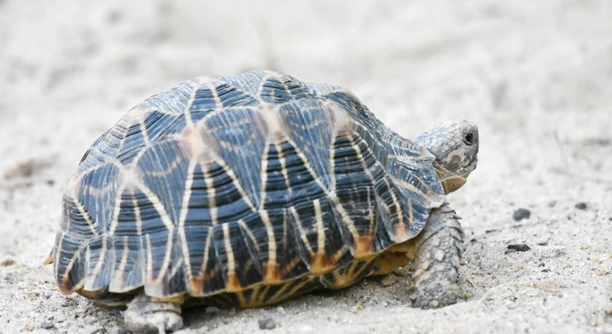
Turtles need sunlight to stay healthy, just like any other living creature. Without enough sun, they may face health issues. Understanding the signs of insufficient sunlight can help you care for your turtle better.
Insufficient sunlight can lead to weakened immunity, poor shell growth, and vitamin deficiencies in turtles. If your turtle shows signs of lethargy, improper shedding, or weak bones, it could be a sign of inadequate exposure to natural light.
Proper lighting is essential for your turtle’s well-being. Identifying these signs early will help improve their health and quality of life. Let’s explore what to look for and how to ensure your turtle gets enough sunlight.
Lack of Vitamin D and Calcium Deficiency
Turtles need sunlight to produce vitamin D, which helps them absorb calcium. Without enough sunlight, your turtle may struggle to build strong bones and a healthy shell. Calcium is critical for shell development and overall health. If your turtle is not getting enough vitamin D from the sun, it can lead to soft shell problems, weakened bones, and other health concerns.
Sunlight is also necessary for your turtle’s metabolic function. Without adequate exposure, they can develop metabolic bone disease, a serious condition that can cause deformities and other health problems. You might notice that your turtle’s shell appears soft or deformed as a result. These issues can worsen over time if the lack of sunlight continues.
To avoid these problems, it’s essential to provide your turtle with proper lighting. If you don’t have access to natural sunlight, consider using a UVB light. This type of light mimics natural sunlight and helps your turtle absorb the necessary vitamins and calcium. Proper lighting will keep your turtle’s bones and shell strong and healthy.
Lethargy and Reduced Activity
Turtles that don’t get enough sunlight may become less active.
When your turtle is deprived of proper sunlight, it will likely become lethargic, spending most of its time in one spot. This lack of activity can lead to weight gain and other health issues. Additionally, a turtle’s energy levels will drop significantly, making it seem uninterested in exploring or eating. Without enough sunlight, your turtle’s metabolism slows down, and they may not feel the urge to move around.
Regular basking and exposure to natural light help turtles maintain a healthy activity level. If you notice your turtle becoming inactive, it’s crucial to evaluate its lighting and adjust accordingly. Adding a UVB light to its habitat will help keep them energized and active. When turtles are exposed to the right light, they become more alert and motivated to move, eat, and socialize. Taking steps to improve your turtle’s environment can lead to a more active, healthier pet.
Poor Shell Growth and Softness
If your turtle isn’t getting enough sunlight, its shell may stop growing properly. Sunlight plays a crucial role in helping turtles develop strong, hard shells. Without it, the shell might become soft or show signs of deformities. This is a clear indication that something is wrong.
A soft shell can be harmful, as it leaves your turtle vulnerable to injury. It may also struggle to grow or maintain its shape. This problem is often linked to a lack of exposure to UVB light, which helps the turtle process calcium. Calcium is vital for shell strength and proper growth. To remedy this, make sure your turtle has access to either natural sunlight or a UVB light source.
Adjusting your turtle’s environment is essential. If your turtle isn’t basking in the sun enough, try moving its tank to a sunnier spot or installing a UVB light. This can prevent the shell from becoming soft and promote healthy growth. Regular exposure to proper lighting is key to avoiding shell issues.
Behavioral Changes and Stress
When a turtle lacks sunlight, it may start to show signs of stress. Stress can lead to behavior changes such as excessive hiding, lack of appetite, or aggressive behavior. Without adequate sunlight, the turtle may not feel safe or comfortable enough to explore its environment.
Sunlight helps regulate your turtle’s circadian rhythm, which controls its daily cycles. Without the right amount of sunlight, these cycles can become disrupted, leading to confusion and stress. For example, your turtle may become overly active at night or lethargic during the day. These behavior changes can signal that its basic needs aren’t being met. Stress can also impact its immune system, making it more prone to infections.
Making sure your turtle has a consistent light schedule is important. You can use artificial UVB lighting to help keep your turtle’s behavior balanced. Keep the lighting on a timer to ensure a steady cycle of day and night. If your turtle continues to show signs of stress, review its environment to ensure it has the right lighting and basking areas to thrive.
Improper Shedding
Turtles rely on sunlight for proper shedding. Without enough sunlight, they may struggle with shedding their skin, resulting in retained or incomplete skin layers. This can lead to skin infections or discomfort for your turtle.
Retained skin can affect your turtle’s movement, causing irritation or limited mobility. It’s important to ensure your turtle gets enough natural light to help regulate its shedding cycle. If shedding issues persist, consider adding UVB light to its habitat to mimic the benefits of natural sunlight. A proper light schedule promotes healthy shedding and skin regeneration.
Weakened Immune System
A lack of sunlight can compromise your turtle’s immune system. Without the proper UVB light exposure, its ability to fight off infections weakens. This makes it more susceptible to illnesses.
Proper UVB light helps your turtle produce vitamin D, which is essential for maintaining a strong immune response. When sunlight is lacking, your turtle’s body may struggle to ward off bacteria or fungi. Providing adequate lighting can ensure your turtle’s immune system stays strong. By offering the right amount of sunlight, you support its overall health and help prevent health issues.
FAQ
How much sunlight does my turtle need each day?
Turtles typically need around 10 to 12 hours of sunlight or UVB light each day. This mimics their natural cycle in the wild, where they bask in the sun for a good portion of the day. If you’re using artificial lighting, make sure it’s a UVB bulb designed for reptiles. It’s essential to provide a light schedule that mirrors day and night, so your turtle gets the proper exposure.
Can I use a regular light bulb for my turtle’s tank?
No, a regular light bulb doesn’t provide the UVB rays that turtles need. Regular bulbs give off visible light but don’t support the production of vitamin D, which is crucial for shell and bone health. Use a UVB bulb specifically designed for reptiles to meet your turtle’s lighting needs.
What happens if my turtle doesn’t get enough UVB light?
Without sufficient UVB light, your turtle can suffer from calcium deficiency, weak bones, a soft shell, and other health problems. A lack of UVB exposure can also affect its immune system, making it more vulnerable to infections. It’s important to keep your turtle’s tank well-lit with appropriate UVB lighting to prevent these issues.
How can I tell if my turtle is getting enough sunlight or UVB light?
If your turtle is basking for several hours during the day, it’s likely getting enough UVB light. Check for signs of healthy shell growth and behavior. If your turtle is active, eating well, and its shell is strong, it’s probably receiving enough light. However, if you notice lethargy, soft shells, or lack of interest in food, its lighting needs may not be met.
Can I keep my turtle outside for natural sunlight?
Yes, you can keep your turtle outside for short periods, provided it is safe. Make sure the environment is secure and that your turtle cannot escape or be harmed. Outdoor sunlight can be beneficial, but ensure your turtle is protected from predators, extreme temperatures, or other hazards. Always supervise outdoor basking sessions and never leave your turtle unattended.
How do I set up a proper basking area for my turtle?
Your turtle needs a dry, warm area to bask under UVB light. Create a basking spot with a platform or rock that allows your turtle to fully stretch out and soak in the light. The temperature should be around 85-90°F in this area to promote healthy basking. Ensure the platform is close enough to the light source to provide direct exposure but not too close to cause overheating.
Can I use a heat lamp with a UVB bulb?
Yes, using a heat lamp in combination with a UVB bulb is a common and effective setup for turtle tanks. The heat lamp provides warmth, which is important for digestion and general well-being, while the UVB bulb ensures your turtle receives the necessary light for vitamin D production. Just make sure to place both bulbs in the correct locations, maintaining proper temperature and light levels.
How often should I replace my UVB bulb?
UVB bulbs lose their effectiveness over time, even if they still produce light. It’s recommended to replace the UVB bulb every 6 to 12 months, depending on the type of bulb. Some bulbs lose UVB output before they stop emitting visible light, so regular replacement is crucial to maintain your turtle’s health. Always check the manufacturer’s instructions for replacement intervals.
Can I use a combination UVB and heat bulb for my turtle?
Yes, combination UVB and heat bulbs are available and can simplify the setup. These bulbs provide both the necessary UVB rays and the heat your turtle needs for basking. While convenient, make sure the wattage is appropriate for your tank size, and always monitor the temperature to avoid overheating your turtle.
How do I know if my turtle’s tank has the right lighting?
If your turtle is basking regularly, has a strong and healthy shell, and is active, its lighting setup is likely working well. Watch for signs of improper shedding, lethargy, or weight loss, as these could indicate a lighting issue. If you’re unsure, you can always use a UVB meter to measure the output in your tank.
Can I use natural sunlight indoors for my turtle?
If you have a window that gets direct sunlight, you can place your turtle’s tank near it. However, be cautious because glass or plastic blocks UVB rays, meaning your turtle won’t get the benefits of sunlight through the window. You may need to supplement with a UVB light bulb to ensure your turtle gets enough exposure.
What if my turtle is not basking at all?
If your turtle isn’t basking, it could indicate a problem with the temperature, lighting, or environment. Ensure the basking spot is warm enough (around 85-90°F), and check that your turtle has access to proper UVB lighting. Sometimes, turtles stop basking when they feel stressed, so make sure the tank environment is safe and comfortable for them.
What should I do if my turtle’s shell is soft or deformed?
A soft or deformed shell can indicate a serious calcium deficiency, often due to insufficient UVB light. Immediately check your turtle’s lighting and basking conditions. You may need to adjust the temperature, provide a UVB light, and ensure your turtle is getting enough calcium in its diet. If the issue persists, consult a vet experienced with reptiles.
Can I leave my turtle in direct sunlight all day?
It’s not advisable to leave your turtle in direct sunlight for long periods without supervision. While sunlight is important, too much direct sun can lead to overheating or dehydration. Provide your turtle with a balanced amount of sunlight, and ensure they always have access to water and a shaded area to retreat to.
Final Thoughts
Proper sunlight is essential for your turtle’s health. Turtles rely on UVB light to produce vitamin D, which helps them absorb calcium and develop strong bones and shells. Without sufficient exposure to sunlight or UVB lighting, your turtle can experience a range of health issues, including soft shells, weakened bones, and a weakened immune system. Ensuring your turtle gets the right amount of light is vital for preventing these problems and promoting its overall well-being.
If you’re unable to provide your turtle with natural sunlight, it’s important to use artificial UVB lighting. This will help your turtle get the benefits of sunlight even if it’s kept indoors. UVB bulbs are widely available and are designed to mimic the sun’s rays. It’s crucial to choose the right type of UVB bulb for your turtle’s specific needs, as some species require more light than others. Also, remember that these bulbs need to be replaced regularly, as their UVB output diminishes over time. Keeping a consistent light schedule is key for your turtle’s health.
In addition to lighting, consider other aspects of your turtle’s environment. Make sure there’s a proper basking area where your turtle can soak up the light and warmth. The temperature and humidity levels in the tank should also be suitable for your turtle’s species. By addressing all of these factors, you’ll be creating a healthy habitat that encourages your turtle to thrive. By providing the right lighting, temperature, and care, you’ll help your turtle live a longer, happier life.

Hello,
If you enjoy the content that we create, please consider saying a "Thank You!" by leaving a tip.
Every little bit helps us continue crafting quality advice that supports the health, happiness, and well-being of pets around the world, for pets of all shapes, sizes, and species.
We really appreciate the kindness and support that you show us!