
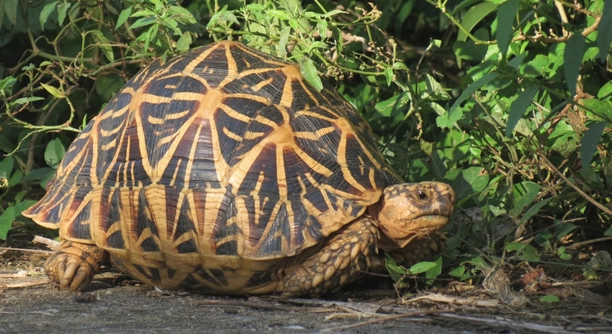
Turtles are fascinating creatures, but sometimes their behavior can be puzzling. If your turtle isn’t basking, you might be wondering why this is happening. This article will help explain possible reasons for their disinterest.
A turtle’s lack of interest in basking can be caused by various factors, including improper temperature, lighting, or stress. Ensuring that your turtle’s basking area is comfortable and free from disturbances is key to encouraging this natural behavior.
Understanding your turtle’s needs can make a significant difference in its health and well-being. This article will guide you through what might be causing the issue and offer solutions.
Temperature Problems
Turtles are cold-blooded, so they depend on their environment to regulate their body temperature. If the basking area is too cold, your turtle may refuse to bask, as it won’t feel comfortable or safe. It’s essential to maintain a warm, consistent temperature for your turtle to feel at ease. The basking spot should be around 85-90°F (29-32°C). Without proper warmth, they will avoid the basking area and stay in the cooler water.
If the temperature is too low, your turtle might also become lethargic. It won’t have the energy to bask or be active. This can lead to stress and poor health. Adjusting the temperature is a simple fix to ensure your turtle stays healthy and comfortable.
Make sure to check the water temperature as well, since it should be between 75-80°F (24-27°C). The combination of appropriate water and basking temperatures will help your turtle feel secure and encourage it to bask regularly.
Lighting Issues
Proper lighting is critical for your turtle’s health and basking behavior. Without the right UVB light, your turtle may not feel the need to bask, as it can’t properly absorb the nutrients it needs. UVB light helps turtles produce vitamin D3, which is necessary for calcium absorption.
Ensure that the UVB light is strong enough and positioned close to the basking spot. Turtles need this type of light for 10-12 hours a day. Over time, a weak or faulty light bulb can cause your turtle to stop basking.
Also, check if the light is in good working condition. If the UVB light is out of range or expired, it will not benefit your turtle, leading to deficiencies. Your turtle may not see the need to bask if it isn’t getting the right exposure to UVB.
Stress Factors
Stress is a common reason why turtles avoid basking. Loud noises, frequent movements, or sudden changes in their environment can make your turtle feel unsafe. Turtles are sensitive creatures, and stress can cause them to retreat and refuse to bask.
If you’ve recently made any changes to your turtle’s habitat, like adding new decorations or introducing other pets, this might be causing the stress. Make sure the tank is in a calm, quiet area where your turtle can feel secure. Consider removing any potential sources of stress, such as noisy objects or even too many visitors.
Additionally, overcrowding can lead to stress. If you have multiple turtles in one tank, some may feel threatened or pressured to avoid basking spots. It’s important to make sure each turtle has enough space to move freely and access the basking area without competition.
Health Problems
Sometimes, your turtle’s refusal to bask may be due to an underlying health issue. If your turtle is sick, it might not have the energy to bask or might prefer staying in cooler water to help its body cope with illness.
Common health issues like respiratory infections, shell problems, or parasites can cause your turtle to avoid basking. If your turtle is lethargic, has trouble swimming, or shows signs of discomfort, it may be time to visit a vet. Early detection of health problems can help prevent more serious issues from developing.
Be sure to monitor your turtle for any changes in behavior, such as loss of appetite or unusual swimming patterns. If your turtle consistently avoids basking, it may be a signal that something is wrong. Identifying the problem early on can make a big difference in their recovery.
Improper Basking Platform
The basking platform might be unsuitable for your turtle. If it is too small, unstable, or hard to access, your turtle may not want to use it. Make sure the platform is large enough for your turtle to climb onto comfortably.
The surface of the basking platform should also be textured, giving your turtle enough grip. A slippery surface can make it difficult for your turtle to climb onto the basking spot. A poorly designed platform can cause frustration and make your turtle avoid basking altogether.
Tank Size
An overcrowded tank can cause a turtle to avoid basking. If there isn’t enough space for your turtle to move around comfortably, it may feel stressed or cramped. Proper tank size is essential for promoting healthy behavior, including basking.
The minimum tank size for one turtle is usually around 40 gallons. If you have multiple turtles, the tank should be even larger. Adequate space will ensure your turtle can find its own area to bask peacefully without feeling threatened by other tankmates.
FAQ
Why is my turtle not basking?
If your turtle is not basking, it could be due to several reasons, including improper temperature, inadequate lighting, stress, or health problems. Ensuring the right environment, such as a warm basking area with UVB lighting, is essential for encouraging basking behavior.
How can I know if the temperature is correct for my turtle?
To check if the temperature is right, use a thermometer to measure both the water temperature and the basking area. The basking area should be around 85-90°F (29-32°C), while the water temperature should be between 75-80°F (24-27°C). If either of these is off, adjust accordingly.
Can stress prevent my turtle from basking?
Yes, stress can cause turtles to avoid basking. Stress may come from loud noises, sudden changes in their environment, or overcrowding in the tank. Try to keep the tank in a quiet area and avoid placing other pets or too many objects that could stress your turtle.
How do I fix my turtle’s basking platform?
Check the platform for stability and size. If the platform is too small or slippery, your turtle may not use it. Ensure the platform is large enough for your turtle to comfortably climb on and has a textured surface to provide good grip.
Can my turtle stop basking if it’s not feeling well?
Yes, if your turtle is sick, it may stop basking. Illness can make your turtle feel weak, which could prevent it from seeking out heat. Look for signs like lethargy, changes in eating habits, or abnormal swimming. If you notice these, a vet visit is recommended.
How can I help my turtle bask more often?
To encourage basking, maintain the correct temperatures and ensure a clean and comfortable basking area. Avoid stressing your turtle by keeping the environment calm and quiet. Additionally, check that the UVB light is working properly and placed at the right distance.
Should I change my turtle’s habitat to encourage basking?
If your turtle is not basking, it could be due to an issue with its current habitat. Make sure the tank is large enough, the lighting is appropriate, and the basking area is accessible. You may need to rearrange the tank to improve comfort and reduce stress.
Is my turtle’s behavior normal if it only basks occasionally?
It’s normal for some turtles to bask intermittently rather than regularly. However, they should still spend some time basking each day. If your turtle rarely basks, it may be due to a temperature or health issue that needs to be addressed.
Can I force my turtle to bask?
Forcing your turtle to bask is not a good idea. Turtles should have the option to bask freely when they feel the need. However, you can make their environment more inviting by ensuring proper temperatures, lighting, and a comfortable basking platform.
How long should my turtle bask each day?
Turtles typically bask for about 2-4 hours each day. This time can vary depending on the species and the temperature of the basking area. As long as the basking area is suitable and your turtle has access, it should be able to regulate its own basking time.
Can I use a regular light for my turtle’s basking spot?
No, regular light bulbs do not provide UVB rays that are essential for a turtle’s health. You need a UVB light specifically designed for reptiles. UVB light helps your turtle produce vitamin D3, which is crucial for calcium absorption and overall well-being.
Why does my turtle bask more in the morning?
Turtles may bask more in the morning because it’s their way of warming up after a cool night. Since turtles are cold-blooded, they rely on external heat sources, and basking is a way for them to increase their body temperature.
How can I check if my turtle’s UVB light is working properly?
UVB lights lose their effectiveness over time, even if they still appear to be on. You can test the effectiveness of your UVB bulb using a UV light meter, or simply replace the bulb every 6-12 months to ensure your turtle is getting the proper exposure.
Can a new turtle avoid basking because it’s stressed?
Yes, a new turtle may avoid basking due to the stress of adjusting to its new home. Give your turtle time to settle into its environment. Keep the tank quiet and calm, and make sure it has proper heat and lighting to encourage basking.
Can too much light make my turtle avoid basking?
While turtles need UVB light to thrive, too much light can cause stress. Make sure the basking light is in the correct range and that the turtle has enough time to regulate its exposure. Overexposure to UV light can also lead to overheating, which might make your turtle avoid the basking area.
Is it okay if my turtle basks for only a short time?
Yes, short basking periods are normal, especially if the temperature and lighting are ideal. Turtles will bask for as long as they need to regulate their body temperature. Some turtles may prefer shorter but more frequent basking sessions.
Final Thoughts
Turtles are creatures of habit, and they rely on their environment to feel comfortable and secure. When a turtle avoids basking, it usually points to an issue with its habitat or health. Whether it’s the temperature, lighting, or stress factors, identifying the cause can make a huge difference. Understanding what your turtle needs and making sure it has a proper space to bask will encourage this important behavior. Basking is essential for their health, helping them regulate their body temperature and absorb the UVB light necessary for calcium absorption. If the conditions are right, your turtle will naturally want to bask and stay healthy.
Pay attention to the signs your turtle is showing. If they’re not basking as much, it may not always be a sign of a major problem, but it’s worth looking into. Make sure their tank setup is adequate, with the right basking area temperature and UVB light. If you’ve checked all the basics and your turtle still isn’t basking, health issues may be the next thing to look into. Illnesses like respiratory infections or shell problems can affect a turtle’s behavior. Regular vet visits and monitoring your turtle’s overall health will help you catch problems early on.
Lastly, creating a peaceful and comfortable environment for your turtle is crucial. Stress, overcrowding, and even the wrong type of basking platform can prevent your turtle from basking. By maintaining a calm environment and offering a spacious tank, you can ensure that your turtle feels safe enough to bask regularly. Taking these steps not only encourages healthy basking but also ensures your turtle leads a long and happy life. It’s about finding the right balance between temperature, light, space, and quiet, so your turtle can thrive.

Hello,
If you enjoy the content that we create, please consider saying a "Thank You!" by leaving a tip.
Every little bit helps us continue crafting quality advice that supports the health, happiness, and well-being of pets around the world, for pets of all shapes, sizes, and species.
We really appreciate the kindness and support that you show us!