
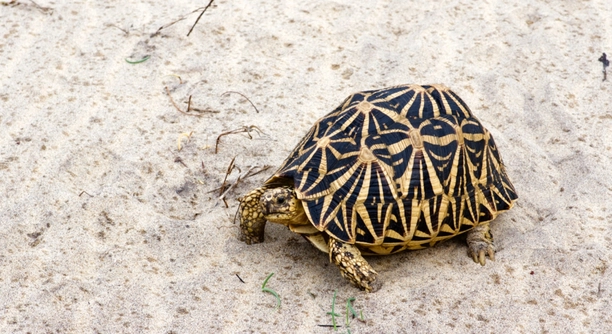
Ear infections in turtles can be a common health issue, but it’s important to recognize the causes so you can keep your pet healthy and happy. Understanding these factors can help you take better care of your turtle.
The primary causes of ear infections in turtles are often related to poor water quality, improper diet, and inadequate heating. Infections can also stem from physical injuries or stress, which can weaken the turtle’s immune system.
By learning more about these common causes, you’ll be able to prevent ear infections and ensure your turtle’s well-being for years to come.
Poor Water Quality
Water quality is one of the leading causes of ear infections in turtles. Turtles spend most of their time in the water, so it’s essential that the water they live in remains clean. Dirty water can lead to bacteria buildup, which can infect their ears and other parts of the body. Water should be regularly filtered, and the tank should be cleaned to prevent harmful microbes from growing. Turtles are more prone to infections when their habitat isn’t kept at a high standard, so water quality should always be a top priority for their health.
Dirty water makes it harder for your turtle’s immune system to fight off infections. Regular water changes and the use of quality filters can help prevent these problems.
The temperature of the water is also a factor. Cold water can make a turtle more susceptible to illness, including ear infections. Proper heating helps maintain a healthy environment, ensuring that your turtle stays comfortable and its immune system stays strong. Check the water’s temperature regularly to ensure it’s within the appropriate range.
Poor Diet
A poor diet can weaken a turtle’s immune system, making it more vulnerable to infections. Turtles need a balanced diet, rich in vitamins and minerals, to stay healthy. If their diet lacks the right nutrients, it can leave them more open to bacterial or fungal growth, including ear infections.
A lack of proper nutrition can lead to weakened skin and shell health, which further increases the risk of infections. Offering a variety of vegetables, fruits, and protein sources helps maintain a healthy immune system.
Feeding your turtle the right foods also supports its overall health, helping it to fight off illnesses before they become serious. A high-quality turtle pellet can be part of the diet, but it should be supplemented with fresh food. This ensures your pet gets the necessary nutrients for a long, healthy life.
Inadequate Heating
If the temperature in your turtle’s tank is too low, it can stress your pet and weaken its immune system, making it more prone to ear infections. Proper heating is essential for your turtle’s health and comfort. Without it, they can struggle to fight off infections.
Turtles are cold-blooded, meaning they rely on their environment to regulate their body temperature. When their tank isn’t warm enough, their immune system becomes less effective. This creates an ideal environment for bacteria to grow and cause infections. Ensure that the water and basking areas are kept at the right temperature.
Use a reliable water heater designed for aquatic reptiles, and monitor the tank’s temperature with a thermometer. This way, you’ll know if your turtle’s environment is warm enough to support its health. Heating lamps for basking areas should also be positioned correctly, so your turtle can regulate its body temperature.
Physical Injuries
Turtles are curious and can sometimes injure themselves by bumping into objects in their tanks. Even minor injuries can lead to ear infections if they’re not treated properly. A scrape or cut near the ears can introduce bacteria into the body, causing an infection.
To avoid these issues, make sure there are no sharp objects in your turtle’s tank. Smooth decorations and safe rocks or logs are better choices. Also, check your turtle’s ears regularly for any signs of injury. If you notice any damage, it’s important to clean the wound gently and seek veterinary care.
Proper tank setup plays a large role in keeping your turtle safe from injury. A well-arranged habitat with soft, rounded objects and no sharp edges can help prevent accidents. By monitoring your turtle’s health and its environment, you’ll minimize the risk of ear infections from physical injuries.
Stress
Stress is another common cause of ear infections in turtles. When turtles are stressed, their immune systems become weaker, making them more vulnerable to infections. Stress can be triggered by various factors like overcrowded tanks, sudden temperature changes, or loud noises.
A stressed turtle may also show signs like loss of appetite or unusual behavior. Reducing stress by maintaining a stable, quiet environment and providing enough space can help improve your turtle’s overall health.
Make sure the tank is large enough for your turtle and that it has a proper hiding spot to feel safe. Keeping the environment peaceful and consistent will help reduce stress and its negative effects on your turtle’s health.
Poor Tank Maintenance
Neglecting regular tank maintenance can lead to poor water quality and an unhealthy environment for your turtle. Algae buildup, dirty filters, or uneaten food can quickly contaminate the water, putting your turtle at risk for ear infections.
To keep your turtle’s tank in good shape, clean it at least once a week. Remove any leftover food, vacuum the substrate, and replace the water regularly. Check the filter every few weeks to ensure it’s working properly. By keeping the tank clean, you’re providing your turtle with a healthier environment to thrive in.
Infections from Other Turtles
If you have more than one turtle, the risk of ear infections increases. Turtles can transmit infections to one another, especially if one turtle is already sick or stressed. Infections can spread through the water or direct contact.
If you notice any of your turtles showing symptoms of an infection, separate them immediately to prevent the spread of bacteria. Keep their living spaces clean and avoid overcrowding in the tank to minimize stress and the risk of infection. Regularly checking each turtle’s health can help you catch issues early.
FAQ
How do I know if my turtle has an ear infection?
The most common sign of an ear infection in turtles is swelling around the ears or the sides of the head. You might also notice that your turtle is having trouble swimming or diving. In some cases, the turtle may have discharge coming from the ears, or it might be rubbing its face against objects to relieve discomfort. If you notice any of these signs, it’s important to get your turtle checked by a vet as soon as possible. Early detection can help avoid more serious health issues.
Can ear infections in turtles heal on their own?
Ear infections in turtles typically don’t heal on their own without proper treatment. In fact, leaving an ear infection untreated can lead to more severe health issues, including permanent damage to the ear and hearing loss. It’s important to consult a vet for appropriate treatment, which may involve antibiotics or other medications. Maintaining good water quality and a balanced diet can also help the healing process, but veterinary care is essential for a full recovery.
What causes ear infections in turtles?
Ear infections in turtles can be caused by poor water quality, physical injuries, improper diet, inadequate heating, stress, or even infections from other turtles. Bacteria or fungi can enter the ear canal through cuts or injuries, while dirty water can introduce harmful microorganisms. Maintaining a clean tank, a proper diet, and optimal living conditions can reduce the risk of ear infections.
How can I prevent ear infections in my turtle?
To prevent ear infections in your turtle, it’s important to keep the tank clean and maintain good water quality by using a reliable filtration system. Regular water changes and ensuring proper tank temperature are essential. Providing a balanced diet rich in nutrients and offering a stress-free environment will also help your turtle stay healthy. Lastly, monitor your turtle for any signs of injury, as untreated wounds can lead to infections.
Can stress cause ear infections in turtles?
Yes, stress can contribute to ear infections in turtles. When turtles are stressed, their immune system is weakened, making them more susceptible to infections. Common stressors include poor water quality, overcrowded tanks, sudden changes in temperature, or excessive noise. To reduce stress, provide your turtle with a quiet, stable environment, enough space to move around, and a well-maintained tank.
Is it safe to put my turtle in a separate tank while treating an ear infection?
Yes, it can be beneficial to place a turtle in a separate tank while treating an ear infection, especially if the turtle has been exposed to other sick turtles. This prevents the infection from spreading and allows you to control the water quality more easily. Make sure the water in the new tank is clean, properly heated, and filtered. Keep the turtle in a calm, quiet environment to reduce stress, which can help with recovery.
How long does it take for a turtle to recover from an ear infection?
The recovery time for a turtle with an ear infection depends on the severity of the infection and how quickly treatment is started. In mild cases, you may see improvement within a few days of proper treatment, such as antibiotics or antifungal medications. More severe infections may take a few weeks to heal. During this time, make sure the turtle’s tank is clean, the temperature is correct, and the diet is balanced to support recovery.
Should I clean my turtle’s ears at home?
It’s not recommended to clean your turtle’s ears at home without the guidance of a veterinarian. Cleaning the ears improperly can cause injury or worsen the infection. If you suspect your turtle has an ear infection, it’s best to seek professional care. A vet can clean the ears safely and provide any necessary treatments.
Can ear infections spread between turtles?
Yes, ear infections can spread between turtles, especially in overcrowded tanks. Bacteria or fungi can transfer through the water or direct contact between turtles. If you have multiple turtles, monitor them closely for any signs of illness and separate any that show symptoms. Regularly clean the tank and make sure it’s large enough to prevent overcrowding, which can contribute to stress and infection.
What is the best diet for a turtle to avoid ear infections?
A well-balanced diet is key to preventing ear infections and promoting overall health. Turtles need a mix of protein, vegetables, and fruits. Offer leafy greens like kale, dandelion greens, and collard greens, along with small amounts of fruits like strawberries or melon. High-quality turtle pellets can be a staple, but they should be supplemented with fresh food. A healthy diet supports the turtle’s immune system, helping it fight off infections before they take hold.
Final Thoughts
Ear infections in turtles are a common issue, but they are also preventable with the right care. By maintaining clean water, providing a balanced diet, and creating a stress-free environment, you can reduce the risk of infections. These steps also promote overall health and well-being for your turtle. Regularly check your turtle for any signs of illness or discomfort, especially around the ears, so that you can catch any issues early and prevent them from becoming more serious. In many cases, simple adjustments in the turtle’s habitat can make a big difference in keeping infections at bay.
It’s important to remember that turtles, like any other pets, rely on their owners for their health and comfort. You should always be aware of the environment you’re providing, as turtles are particularly sensitive to water conditions and temperature changes. Additionally, while some infections may appear mild at first, they can worsen quickly if not treated properly. If your turtle is showing signs of an ear infection, it’s best to consult a veterinarian promptly. A professional can help determine the cause of the infection and guide you through the necessary steps for treatment. Waiting too long to seek help can result in permanent damage or more complicated health problems for your turtle.
By being proactive and taking the right precautions, you can keep your turtle healthy and happy. Ensure that their tank is properly maintained, their diet is nutritious, and their living conditions are comfortable. Regular veterinary checkups are also a good idea, as they can help spot any potential issues before they become serious. The goal is to create a safe and nurturing environment for your turtle to thrive in, which will lead to fewer health concerns, including ear infections. Taking care of these basics will help your turtle lead a long and healthy life.

Hello,
If you enjoy the content that we create, please consider saying a "Thank You!" by leaving a tip.
Every little bit helps us continue crafting quality advice that supports the health, happiness, and well-being of pets around the world, for pets of all shapes, sizes, and species.
We really appreciate the kindness and support that you show us!