
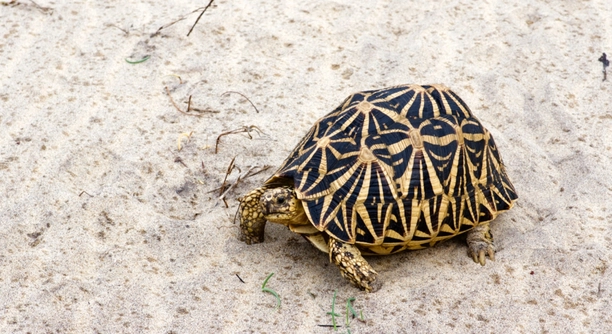
Turtles, like many pets, can experience stress, which can affect their overall well-being. Recognizing the signs and knowing how to reduce stress is essential for their health. This article explores simple ways to help your turtle feel more comfortable.
To reduce stress in turtles, it’s important to provide a proper environment, avoid sudden changes, and ensure they have adequate space, food, and mental stimulation. Keeping their habitat clean and quiet can also help promote relaxation and prevent anxiety.
By creating a stress-free environment, you will not only improve your turtle’s quality of life but also ensure they live longer and happier. Let’s explore practical steps to reduce their stress and help them thrive.
Creating a Comfortable Habitat
A well-maintained and comfortable habitat is one of the most effective ways to reduce stress in your turtle. The tank size should be spacious enough for them to move around freely. Turtles can become agitated in cramped conditions, which can lead to health problems. The water temperature should be consistent and suitable for your turtle’s species. A water heater is essential for this purpose, as temperature fluctuations can cause stress. It’s also important to provide areas for your turtle to bask in, as they need both water and land space. Clean water is crucial to prevent bacteria growth, which can contribute to stress. Regular cleaning of the tank and replacing the water is essential.
For your turtle to feel at ease, make sure the habitat provides plenty of hiding spots and places to explore. Adding rocks, plants, and other structures will not only make the environment more enriching but also offer your turtle a sense of security. A well-structured habitat can significantly reduce stress levels by making them feel safe and comfortable.
A peaceful setting is also essential. Keep the tank away from loud noises, bright lights, or too much foot traffic. A quiet space allows your turtle to relax without feeling threatened or overstimulated.
Proper Diet and Hydration
Providing the right food and ensuring hydration are key factors in preventing stress in turtles. Overfeeding or underfeeding can lead to health issues and discomfort. A balanced diet consisting of both plant-based and animal-based foods is essential, depending on the species. If your turtle is not receiving the proper nutrients, it can become stressed and lethargic. Fresh vegetables, fruits, and high-quality turtle pellets will provide the necessary vitamins and minerals. Always make sure to remove any uneaten food to prevent the water from getting dirty.
Hydration is just as important. Make sure your turtle has constant access to clean, fresh water, both in and outside of their tank. Dehydration can cause fatigue and irritability. Some turtles, especially those that live in arid environments, require more frequent water changes to stay hydrated. Adding a shallow water dish near their basking area will help them stay hydrated when they’re not in the water.
Stress can arise if their diet lacks variety, so offering a mix of different foods will keep your turtle healthy and satisfied.
Proper Lighting and UVB Exposure
Turtles need access to natural light or proper artificial lighting to stay healthy and avoid stress. UVB light is essential for their metabolism and calcium absorption. Without it, turtles can become weak and stressed, leading to poor health. Make sure the tank has both a heat source and UVB light that mimics natural sunlight.
UVB light helps turtles produce vitamin D3, which is crucial for calcium metabolism and bone health. Without it, they may develop shell deformities and other health issues. It’s important to replace UVB bulbs every 6 to 12 months as their effectiveness decreases over time. Keep the light on for about 10-12 hours a day to simulate day and night cycles.
Exposing your turtle to the right amount of light helps maintain their natural circadian rhythm. The correct lighting setup will promote their health and reduce any stress they might feel from an imbalanced environment. Ensure that the basking spot is also warm enough for your turtle to relax.
Maintaining a Clean Environment
A clean tank is one of the most important factors in reducing turtle stress. Dirty water can lead to bacteria and algae buildup, which can cause health problems and stress for your turtle. Regularly changing the water and cleaning the tank will help maintain a healthy environment.
Cleaning the tank means removing debris, uneaten food, and waste from the water, as well as scrubbing the surfaces. Set a cleaning schedule so that the water remains fresh, and the environment stays hygienic. You should aim to change 25-50% of the water weekly to prevent it from becoming polluted.
In addition to regular water changes, filter the water to help keep it clean and free from harmful bacteria. A good filter can reduce the frequency of water changes while also removing excess waste. Maintaining water quality is a simple but crucial way to reduce stress for your turtle.
Reducing Stressful Interactions
Turtles are sensitive to sudden movements and loud noises. Avoid handling them frequently, as this can cause them stress and disrupt their natural behavior. While some turtles may tolerate occasional interaction, it’s best to let them come to you when they’re ready.
Be mindful of how you approach your turtle’s habitat. Approach slowly, and keep any loud noises or sudden movements to a minimum. Stress from unpredictable actions can interfere with their eating and basking habits. Let your turtle have control over when and how they interact with you, reducing unnecessary tension.
Temperature Regulation
Turtles require consistent temperature control to stay comfortable. Make sure the water temperature is within the appropriate range for their species. A drop in temperature can slow down their metabolism and make them feel lethargic, increasing stress levels.
Use a water heater to maintain the right warmth, and provide a basking area with a heat lamp to allow your turtle to regulate its body temperature. If they cannot move between warm and cool areas, they may become stressed due to temperature extremes. A balanced environment is key for their well-being.
FAQ
What signs show that my turtle is stressed?
Turtles show signs of stress in various ways. Common indicators include changes in behavior, such as excessive hiding, lethargy, or not eating. You may also notice that your turtle’s shell is becoming soft or discolored, which can be a sign of poor health. They may swim frantically or constantly try to escape their tank, showing anxiety. If your turtle is often in the water but refuses to bask or avoid certain areas, it’s a sign that something is wrong with its environment or routine. Monitoring these changes can help you act quickly and reduce stress.
How can I keep my turtle from being stressed during travel?
Traveling can be a stressful experience for turtles, especially if they’re not accustomed to it. To minimize stress during transport, use a well-ventilated container with soft bedding. Avoid placing them in too bright or noisy areas, as it can cause anxiety. Keep the trip short, and if it’s a long journey, ensure they have water and proper temperature control. After arriving at the destination, give them time to adjust to their new environment, as moving to a new place can be overwhelming. It’s essential to provide a comfortable, familiar setting to help them relax.
Can other pets cause stress to my turtle?
Yes, other pets can cause significant stress for your turtle. If you have other animals, such as cats or dogs, they may frighten or provoke your turtle. These pets might attempt to interact in a way that feels threatening to the turtle, making it anxious and stressed. Even other reptiles, like snakes or aggressive turtles, could stress your pet out if housed in the same environment. It’s crucial to keep your turtle’s habitat safe and separate from any potential predators or overly curious animals.
How do I know if my turtle is sick or stressed?
It can be difficult to distinguish between stress and illness, as they often share similar symptoms. However, sick turtles typically show more drastic changes in behavior, such as prolonged periods of not eating, being lethargic, or showing signs of respiratory distress like wheezing or nasal discharge. Stress may cause more subtle issues, such as reluctance to bask or changes in social behavior. If your turtle’s health seems to be declining, it’s best to consult a vet who specializes in reptiles. They can help determine whether your turtle is dealing with stress or an underlying health problem.
Can a turtle’s stress affect its lifespan?
Yes, chronic stress can negatively impact a turtle’s overall health and may even shorten its lifespan. When a turtle experiences consistent stress, it can lead to weakened immune function, poor eating habits, and a decline in overall well-being. Stress can also cause metabolic disorders, shell deformities, or slow growth, affecting the turtle’s life expectancy. Providing a stable, comfortable environment is essential to reduce stress and ensure your turtle lives a long, healthy life.
Should I change my turtle’s tank setup to reduce stress?
Yes, changing the tank setup can help reduce stress, especially if you notice signs of anxiety in your turtle. Ensure there is enough space for the turtle to move around, with separate areas for basking and swimming. Adding plants, rocks, and hiding spots will give your turtle places to explore and feel secure. A new, enriched setup can reduce stress by providing stimulation and safety. However, avoid making too many changes at once, as this could further stress the turtle. Introduce changes gradually and observe their response.
Can I reduce stress by giving my turtle more attention?
While it’s important to interact with your turtle, too much attention can actually increase stress. Turtles are not social animals like some pets, and they don’t enjoy frequent handling or attention. Giving them space to bask, swim, and relax is key to their well-being. Handle them only when necessary and avoid overly frequent interactions. If your turtle enjoys occasional contact, it will let you know, but generally, allowing them to approach you on their terms is the best way to reduce stress.
What temperature should my turtle’s tank be to avoid stress?
The temperature of your turtle’s tank is crucial for its comfort and health. The water temperature should be around 75-85°F (24-29°C), depending on the species of your turtle. The basking area should be warmer, with a temperature range of 85-95°F (29-35°C). If the water is too cold or too hot, it can cause stress and discomfort, leading to illness. Ensure that you have a reliable thermometer to monitor the tank’s temperature, as fluctuations can cause unnecessary stress.
How often should I clean my turtle’s tank to reduce stress?
Cleaning your turtle’s tank regularly is crucial for reducing stress. You should perform partial water changes about 25-50% once a week, depending on the size of the tank and the number of turtles. Full tank cleanings should be done every 4-6 weeks. If the water becomes dirty or if there is visible waste, it can increase bacteria levels, making the environment uncomfortable for your turtle. Keeping the tank clean helps ensure your turtle stays healthy and stress-free.
Is there a specific diet that helps reduce stress in turtles?
Providing a well-balanced, varied diet helps reduce stress by ensuring your turtle gets all the essential nutrients it needs. A proper diet for your turtle should include leafy greens, vegetables, and protein sources like insects or small fish. Avoid overfeeding, as excess food can pollute the water and contribute to stress. A healthy turtle is less likely to experience the negative effects of stress, and a varied diet will keep them satisfied and strong.
Final Thoughts
Turtles can be sensitive creatures, and managing their stress is crucial to their overall health. A stressed turtle can show various signs, including changes in behavior, poor eating habits, and physical health problems. By ensuring that their environment is comfortable, clean, and safe, you can greatly reduce the risk of stress. It’s important to create a space that allows them to move freely, bask, and swim without feeling threatened or cramped. A clean tank with proper temperature control and UVB lighting will help your turtle thrive and remain calm.
Diet and hydration play a huge role in reducing stress as well. Offering a balanced diet, including fresh vegetables, fruits, and high-quality turtle pellets, will provide the necessary nutrients for your turtle’s health. Always ensure that your turtle has access to clean water and is adequately hydrated. Avoid overfeeding or underfeeding, as both can lead to stress and health issues. Keeping their habitat clean and making sure they have the right lighting and warmth also contribute to their overall well-being. A good diet combined with a comfortable living space is essential for a stress-free turtle.
Lastly, be mindful of your turtle’s interaction with other pets or people. They tend to be more comfortable when left to their own space. Frequent handling or loud environments can lead to unnecessary stress. While it’s tempting to show affection, turtles are best left to approach you in their own time. Observe their behavior closely and adjust their environment when necessary. By doing so, you’ll ensure that your turtle lives a happy, healthy, and stress-free life.

Hello,
If you enjoy the content that we create, please consider saying a "Thank You!" by leaving a tip.
Every little bit helps us continue crafting quality advice that supports the health, happiness, and well-being of pets around the world, for pets of all shapes, sizes, and species.
We really appreciate the kindness and support that you show us!