
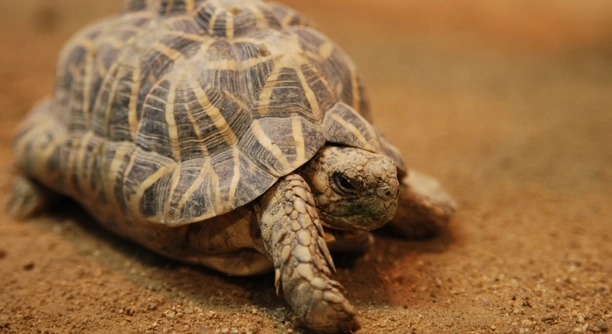
Turtles often dig in the water, which can raise concerns for pet owners. This behavior may seem unusual, but it’s important to understand why it happens. In many cases, digging is a natural activity for your turtle.
Turtles dig in the water for several reasons, such as searching for food, exploring their environment, or attempting to regulate their body temperature. In some cases, they may also be exhibiting nesting behavior or seeking refuge from stress or discomfort.
Understanding why your turtle digs can help you address any concerns. There are several reasons behind this behavior that can be managed to ensure your turtle stays healthy.
1. Turtles Dig to Search for Food
Turtles are natural foragers and spend a lot of time in the wild looking for food. When they dig in the water, they could be trying to locate hidden food sources. Your turtle may dig around in the substrate, hoping to uncover something tasty. While this is often a sign that your turtle is simply exploring its surroundings, it can also indicate hunger or boredom. Offering your turtle a balanced diet regularly can reduce the need for this behavior. A varied diet including greens, proteins, and occasional treats will help keep your turtle satisfied and less likely to dig for food.
Sometimes, turtles may act a bit too eager when searching for food. If your turtle is constantly digging in its tank, it may not be getting enough nutrition or the right types of food. Try offering different foods to see if that curbs the digging behavior. This will help ensure your turtle’s health and happiness.
Being proactive with their feeding habits can help prevent excessive digging. By maintaining a consistent feeding schedule, you can ensure your turtle’s needs are met, and the unnecessary digging will likely decrease over time.
2. Turtles Dig for Nesting
Female turtles may dig in the water when they are ready to lay eggs. This is a natural nesting behavior that occurs as they prepare to deposit eggs in a safe place. Even if your turtle is not in the wild, it may still retain these instincts. Turtles sometimes dig in water to create a spot where they feel comfortable laying eggs. If your turtle is not showing other signs of illness or stress, it may simply be looking for a nesting site.
When nesting behavior is exhibited, it’s crucial to provide a suitable area for your turtle. Turtles need a quiet, undisturbed spot to feel secure enough to lay their eggs. If your turtle’s tank doesn’t allow for this, consider setting up a separate nesting area. This will give your turtle the space to lay eggs comfortably without unnecessary stress.
Creating a safe environment for nesting will reduce digging behavior and help your turtle feel secure. Make sure your turtle’s habitat is properly designed to support its natural instincts. This can also prevent future disruptions in your turtle’s behavior, ensuring a better overall experience for both of you.
3. Turtles Dig to Regulate Temperature
Turtles need to regulate their body temperature, and they often dig to find cooler or warmer areas in their habitat. This behavior helps them maintain their ideal temperature, which is crucial for their health. If your turtle feels too hot or too cold, it might start digging in the water to adjust its environment.
Make sure your turtle’s tank has proper heating and cooling elements. A basking area with a heat lamp and a cooler water zone can help your turtle control its body temperature effectively. If these areas aren’t present or are improperly set up, your turtle may dig as an instinctive response.
A stable and regulated temperature range will keep your turtle comfortable and reduce the need for excessive digging. Monitoring the water temperature and having a reliable thermometer can help you prevent temperature-related issues and promote your turtle’s well-being.
4. Turtles Dig Out of Stress or Anxiety
Stress is another common reason why turtles dig. Whether it’s due to changes in their environment, handling, or a new tankmate, turtles may dig to relieve stress. Digging gives them a sense of security, as they can hide and feel safe.
If you notice excessive digging, try to identify potential stressors in the tank. Loud noises, frequent movement around the tank, or an overcrowded environment can all contribute to your turtle’s anxiety. Ensure that your turtle has a calm and peaceful environment to minimize stress.
Stress can be harmful to your turtle’s health, leading to further behavioral issues. Try to create a space that minimizes disruptions and offers places for your turtle to hide. By addressing these issues, your turtle’s stress levels will decrease, and the digging should subside.
5. Turtles Dig for Comfort
Turtles may dig to create a comfortable resting spot. This behavior can occur when they’re seeking a cozy, private space where they feel secure. By digging, they can adjust the substrate and make the area more comfortable for sleeping or relaxing.
If your turtle is digging frequently, it might be trying to create a more suitable resting environment. You can provide a softer substrate like coconut coir or fine sand to help them feel more at ease. Making sure your turtle has a place to hide and rest can encourage healthier behavior.
A comfortable environment reduces stress and allows your turtle to relax and thrive. Be sure to check if your turtle’s tank offers enough space for it to dig and settle in comfortably.
6. Turtles Dig Out of Curiosity
Curiosity drives turtles to explore their surroundings, including digging. They may dig to investigate hidden areas or discover new textures in their habitat. This behavior is completely natural and a sign that your turtle is engaged with its environment.
Offer your turtle new things to explore, such as different types of plants or rocks. These items can encourage exploration without excessive digging. Providing variety in your turtle’s habitat also keeps them mentally stimulated and less likely to become bored. Curiosity is part of your turtle’s nature, and with the right setup, you can channel it positively.
7. Turtles Dig to Escape
Some turtles dig because they’re attempting to escape their enclosure. If they feel confined or stressed, they may start digging in an attempt to find an exit. This behavior can be particularly common in smaller tanks or environments where the turtle doesn’t feel secure.
Make sure your turtle’s tank has proper barriers to prevent escape. Double-check that all lid or wall fixtures are secure and that the tank is big enough for your turtle’s needs. Providing ample space and making sure the enclosure feels safe can help minimize escape attempts.
FAQ
Why is my turtle digging in the water constantly?
If your turtle is digging in the water regularly, it could be due to a number of reasons. Common causes include searching for food, trying to find a more comfortable resting area, or nesting behavior. If the water temperature is not well-regulated, turtles may also dig to adjust their environment. Regularly check your turtle’s habitat to ensure it’s well-maintained with the right temperature, food, and hiding spots to prevent frequent digging.
Is my turtle digging because it’s stressed?
Yes, turtles can dig when they are stressed. Stressors like environmental changes, loud noises, or overcrowding in the tank can cause your turtle to seek comfort by digging. This behavior is often a coping mechanism to feel safe or hide. To reduce stress, try minimizing disturbances, ensure proper tank size, and provide ample hiding spaces for your turtle.
Can digging in the water be a sign that my turtle is unwell?
Digging in the water can be a sign that your turtle is unwell, especially if it’s accompanied by other unusual behaviors like lack of appetite or lethargy. If your turtle is digging more than usual and seems to be avoiding food or basking, it’s best to consult a vet. Illnesses can affect their behavior, and a proper diagnosis is crucial.
How can I stop my turtle from digging?
To stop your turtle from digging, you need to address the cause. Make sure your turtle is getting a balanced diet, the correct temperature range, and enough space. Also, minimize stress by maintaining a quiet environment and avoiding overcrowding. Providing hiding spots and increasing stimulation in the tank, such as different textures or plants, can also reduce the urge to dig.
Is it normal for a female turtle to dig?
Yes, it’s completely normal for female turtles to dig, especially if they are preparing to lay eggs. Even if your turtle is in captivity, the instinct to dig and search for a safe nesting spot may still be present. If you notice this behavior during certain times of the year, it may be related to her natural reproductive cycle.
Can my turtle dig too much?
While some digging is normal, excessive digging can indicate underlying issues such as stress, discomfort, or boredom. If your turtle is digging excessively, it’s important to examine its environment for factors that could be contributing to the behavior. You may need to adjust the habitat, diet, or routines to ensure your turtle feels safe and comfortable.
How deep should I allow my turtle to dig?
Turtles generally prefer digging into soft substrate like coconut coir or sand. You don’t need to provide extremely deep digging areas, but a few inches of substrate will allow your turtle to dig comfortably. Avoid overly shallow or hard surfaces that may prevent your turtle from exhibiting its natural behavior. Adjust the depth based on the size and preferences of your turtle.
Should I provide my turtle with a nesting area?
If you have a female turtle and suspect that she may lay eggs, it’s a good idea to provide a designated nesting area. This will allow her to dig and deposit her eggs in a secure spot. Make sure the nesting area is quiet, safe, and free from disturbances. If your turtle doesn’t have a place to lay eggs, it could lead to stress or even health issues.
What can I do if my turtle is digging in the wrong spot?
If your turtle is digging in an undesirable spot, like near the tank’s filter or in an area with no suitable substrate, you can try rearranging the tank. Move items around to give your turtle a more suitable place to dig, like a corner with softer substrate or a designated hiding area. Offering a choice of areas for digging may help your turtle find a more appropriate spot.
How often should I clean the substrate in my turtle’s tank?
Cleaning the substrate regularly is important to maintain a healthy environment for your turtle. Depending on how often your turtle digs, you may need to clean the substrate every one to two weeks. Remove any waste, uneaten food, or debris, and replace soiled substrate with fresh material. Proper tank maintenance helps prevent stress and keeps the habitat safe.
Can turtles dig in the wild?
Yes, turtles dig in the wild as part of their natural behaviors. In the wild, they dig to find food, create nesting sites, or regulate their body temperature. The digging behavior you observe in your pet turtle is an instinctual trait that mirrors their behavior in nature. The difference is that in captivity, they may dig more frequently due to the constraints of their environment.
Is digging in the water normal for all turtle species?
While most turtles exhibit digging behaviors, the frequency and intensity can vary between species. Some species may dig more often than others, especially when preparing to lay eggs or during colder seasons to regulate body temperature. It’s important to understand the natural behavior of your specific turtle species to determine whether the digging is normal.
Final Thoughts
Turtles are fascinating creatures, and their digging behavior is a natural part of their routine. Whether they are searching for food, creating a comfortable space, or attempting to lay eggs, this behavior is typically harmless. However, if you notice excessive digging or other unusual behaviors, it’s essential to assess their environment to ensure it is meeting their needs. Turtles are highly sensitive to changes in their habitat, and even small adjustments can have a significant impact on their well-being. Monitoring their behavior closely can help you detect issues early and take action before any problems develop.
When addressing your turtle’s digging habits, consider factors like the tank size, substrate, temperature, and diet. Ensuring that these elements are in proper balance will go a long way in making your turtle feel safe and secure. Turtles that feel comfortable and have enough stimulation are less likely to engage in destructive or excessive digging. It’s also essential to provide your turtle with appropriate spaces to hide and rest, as these are natural instincts. Doing so will help them thrive in a healthy, low-stress environment.
Lastly, if you’re ever unsure about your turtle’s behavior or if the digging becomes excessive, don’t hesitate to consult with a reptile vet. They can help diagnose any potential health concerns or give you advice on how to improve your turtle’s habitat. Taking steps to create a balanced and enriching environment will lead to a happier and healthier turtle, and with a little observation and care, you’ll be able to enjoy watching your turtle’s natural behaviors in a safe and comfortable space.

Hello,
If you enjoy the content that we create, please consider saying a "Thank You!" by leaving a tip.
Every little bit helps us continue crafting quality advice that supports the health, happiness, and well-being of pets around the world, for pets of all shapes, sizes, and species.
We really appreciate the kindness and support that you show us!