
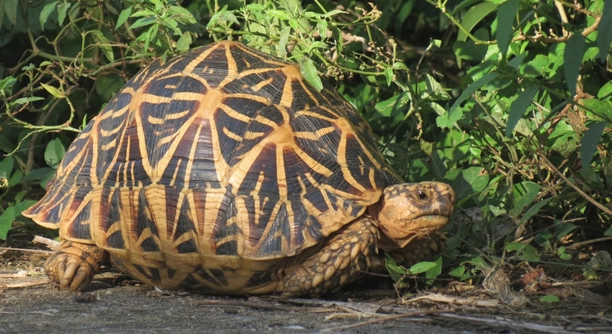
Turtles are fascinating pets, but sometimes they have a tendency to escape their enclosures. If you’re dealing with this issue, it’s important to understand how to keep them safe and contained in their habitat.
There are several effective ways to prevent your turtle from escaping. Ensure that the enclosure is secure with a tight-fitting lid or barrier. Additionally, provide adequate space, proper ventilation, and environmental enrichment to keep your turtle comfortable and focused on its surroundings.
By making a few adjustments, you can ensure your turtle stays safe and happy. The following tips will help you create a secure environment for your pet.
Secure the Enclosure
The first step to preventing your turtle from escaping is ensuring its enclosure is secure. Whether you have an aquarium or a larger outdoor pen, make sure the lid or barrier is tight and impenetrable. Turtles are excellent climbers and may try to scale any opening. You can add secure locks to lids or use heavy materials to weigh down any barriers. If your enclosure has a mesh, check for any loose spots where the turtle could slip through. Regularly inspect the habitat to confirm there are no weak spots.
A proper enclosure will not only keep your turtle in but also ensure that it stays safe from other animals. Turtles can be vulnerable to predators if left outside, so the structure’s integrity is vital. If you’re using a tank, be sure the water level isn’t too high, as turtles may try to climb out when feeling stressed.
If you’re looking to make improvements, consider materials that are hard for the turtle to manipulate, like solid wood or thick plastic. Adding a visual barrier, like solid walls, can also reduce escape attempts, as turtles may feel more secure when they can’t see the outside world. Keep in mind, a turtle’s need for space is essential. A too-small enclosure will increase its stress levels, potentially leading to escape attempts.
Provide Proper Environmental Conditions
Ensure the habitat is comfortable. Turtles are less likely to attempt escapes when they are happy with their environment. An adequate temperature range and access to basking spots will create a comfortable setting for your turtle. Adding hiding places like rocks or plants will also make your turtle feel more secure and less likely to look for a way out.
Use a Proper Lid or Barrier
If you use an aquarium, make sure the lid fits tightly. A mesh cover might be fine for ventilation but isn’t secure enough for escape-prone turtles. Consider using a heavy, solid lid or even a lockable cover. For outdoor enclosures, a strong, tall barrier is key. Turtles can climb, so having a high fence is necessary.
Turtles are notorious for being persistent when it comes to escaping. If they find a way out, they’ll try it. Whether it’s a slight gap or a low barrier, your turtle will make the most of it. Invest in a lid that can’t be moved easily, and regularly check the structure for any possible weak points.
You can also use materials that turtles can’t manipulate. Clear plastic sheets or even a sturdy glass cover will keep your turtle inside while allowing you to easily monitor them. Check the barrier frequently, and don’t forget to inspect corners or edges where gaps may appear over time.
Add Enrichment to Prevent Boredom
Bored turtles are more likely to attempt an escape. Provide plenty of space for swimming, climbing, and basking. A lack of stimulation can lead to frustration and a desire to wander off. Place rocks, logs, and plants in the enclosure for them to explore.
Turtles enjoy having an environment that encourages natural behaviors like foraging or hiding. Including water features, plants, and even a small pond in the setup can make a significant difference. Turtles may also feel secure if they have areas to hide or rest, which keeps them content within their home.
The more stimulation and variety you offer, the less likely your turtle will want to escape. A good mix of underwater areas and land platforms can also provide a more natural environment, keeping your turtle active and healthy.
Secure the Bottom of the Enclosure
Turtles may attempt to burrow, so it’s important to secure the bottom of their enclosure. This can be done by placing a sturdy material like mesh or plywood beneath the tank or pen. This will prevent any digging or slipping through gaps.
A solid bottom also protects your turtle from predators. Outdoor enclosures, in particular, may need extra security to keep animals from reaching inside. Make sure there is no way for your turtle to dig its way out, as they can be surprisingly determined.
Check Water Depth Regularly
Too much water can encourage your turtle to try to climb out, especially if it’s feeling overwhelmed. Check the water depth regularly, ensuring it’s appropriate for the size of your turtle. A depth that’s too high might make it feel stressed or trapped.
Adjust the water level based on your turtle’s needs. Some species prefer shallow water, while others enjoy deeper areas for swimming. Regularly monitor the water to ensure it’s not too deep, which could encourage attempts to escape or make the environment uncomfortable.
Monitor the Enclosure’s Temperature
Maintaining the right temperature is crucial. Turtles need both warm basking spots and cooler water areas to stay healthy. An enclosure that’s too hot or too cold may cause discomfort, leading your turtle to seek escape. Regularly check the temperature, especially if you have both land and water areas in the habitat.
FAQ
Why does my turtle try to escape?
Turtles may attempt to escape their enclosures for various reasons, such as boredom, stress, or the search for food. A lack of space, insufficient environmental conditions, or a cramped habitat can make your turtle feel unsettled, pushing it to escape. Some turtles are simply more curious and persistent, while others may be seeking a mate or better environmental conditions.
How can I tell if my turtle’s enclosure is too small?
If your turtle seems restless or constantly tries to climb out, it might be an indicator that the enclosure is too small. A properly sized tank or pen should provide enough space for your turtle to swim, bask, and roam without feeling restricted. If your turtle’s movements are limited, it could lead to stress and escape attempts. Ensure that the enclosure meets your turtle’s size requirements based on its species and growth potential.
Should I use a tank or an outdoor pen for my turtle?
Both options can work well, depending on the type of turtle you have and your living situation. An aquarium is ideal for aquatic species that need a water-based environment, while outdoor pens are great for terrestrial or semi-aquatic turtles. Outdoor pens require more maintenance, including protection from predators, temperature regulation, and proper drainage. Tanks are often easier to manage indoors, but you should make sure they are large enough for your turtle’s size.
How do I stop my turtle from climbing?
Climbing is a natural behavior for many turtles, but if it leads to escape attempts, you can reduce it by providing a more stimulating environment. Ensure the enclosure has plenty of hiding spots, basking platforms, and natural obstacles. You can also add a higher barrier or lid that prevents climbing. If your turtle climbs to escape, it may indicate that the enclosure is either too small or lacks enough enrichment to keep it occupied.
Can I use a mesh lid for my turtle’s enclosure?
A mesh lid can be a good option for ventilation but isn’t always secure enough to prevent escapes. Turtles are skilled at finding ways to squeeze through small gaps. A solid, heavy lid or a lockable cover is a safer choice. Always ensure the lid fits tightly to prevent the turtle from pushing it open or escaping through any gaps.
What should I do if my turtle escapes?
If your turtle escapes, start by checking the surrounding areas immediately. Turtles are known to wander in search of food or shelter, so you may find it under furniture or outside in a safe, sheltered spot. Make sure you thoroughly search the entire enclosure to identify any escape points and seal them off. It’s also essential to prevent future escapes by securing the enclosure with a proper lid and adding barriers to the bottom if necessary.
How often should I check my turtle’s enclosure?
Regular checks are important for keeping your turtle’s habitat secure. You should inspect the enclosure at least once a week to ensure there are no weak spots or gaps. During these checks, also monitor the water quality, temperature, and the overall health of the turtle’s environment. Look for signs of wear or damage, particularly along seams or where the lid fits.
Can I use a lock on my turtle’s enclosure lid?
Yes, using a lock is a great idea to ensure the enclosure stays securely closed. Many turtles, especially more determined species, can push open a lid if it isn’t properly secured. A simple padlock or childproof lock will keep your turtle inside while also making sure that no other animals can open the enclosure.
What kind of substrate is best for my turtle’s enclosure?
The best substrate depends on the species of your turtle. For aquatic turtles, you may want to use a non-abrasive, easy-to-clean substrate like river rocks or sand. Terrestrial turtles might benefit from a softer, more natural substrate such as coconut fiber or organic soil that allows for burrowing. Be sure to avoid materials that could be harmful if ingested, like gravel or wood chips, as these can cause digestive issues.
Do I need to provide UVB lighting for my turtle?
UVB lighting is essential for most turtles, especially those that spend a significant amount of time on land. UVB rays help turtles synthesize vitamin D3, which is crucial for calcium absorption and overall health. Without proper UVB lighting, turtles can develop shell deformities or other health issues. Make sure the UVB light is placed near your turtle’s basking spot and replaced regularly to ensure its effectiveness.
How can I prevent my turtle from digging?
Turtles naturally dig to create shelters, find food, or escape. If digging becomes a problem, try providing more surface area for your turtle to explore. Add more hiding spots, such as rocks or logs, so your turtle has fewer reasons to dig. If digging is still an issue, you might want to add a solid bottom to your enclosure to prevent escape attempts.
How do I keep my turtle entertained?
Turtles need stimulation to prevent boredom, which could lead to escape attempts. You can entertain your turtle by adding new objects for it to explore, such as rocks, logs, or water plants. Changing the layout of the enclosure regularly can also keep your turtle engaged. If your turtle is aquatic, you can add floating toys or ramps to keep it active. Providing hiding spaces and things to climb on will ensure your turtle feels enriched and secure.
Is it okay to let my turtle roam outside?
Letting your turtle roam outside can be beneficial for exercise and natural sunlight, but only in a safe, enclosed area. If your outdoor pen is secure, allowing your turtle to roam under supervision can be a healthy activity. Never leave your turtle unsupervised outside, as they may attempt to escape or be vulnerable to predators. Always check the enclosure for weaknesses before allowing them to roam free.
Should I worry about my turtle being stressed?
Stress in turtles can lead to poor health, including appetite loss and lethargy. Stress can be caused by inadequate living conditions, poor water quality, or overcrowding in their habitat. Monitor your turtle for signs of stress, such as excessive hiding, loss of appetite, or abnormal behavior. To reduce stress, ensure the enclosure meets your turtle’s needs and provide a stable, safe environment.
Final Thoughts
Preventing your turtle from escaping requires a combination of proper care, secure enclosures, and attention to your turtle’s needs. By ensuring that their habitat is the right size and has all the necessary elements, you reduce the chances of them attempting to escape. Regularly inspect the enclosure for weak spots or areas where they could squeeze through, and make sure the lid is tightly secured. Creating an environment that is stimulating and safe is key to keeping your turtle comfortable and happy, which in turn minimizes their desire to leave their enclosure.
It’s also important to understand that escape attempts can sometimes be a sign of underlying issues. If your turtle is constantly trying to escape, it might be feeling stressed, cramped, or bored. Assessing your turtle’s behavior and making necessary changes to its environment can solve many problems. Enrichment, such as hiding places, basking spots, and varied substrates, can make your turtle feel more secure and content, reducing the likelihood of escape attempts. By meeting your turtle’s physical and psychological needs, you help them live a healthier, more fulfilling life in their enclosure.
Lastly, always remember that turtles are naturally curious creatures. Even with a well-secured enclosure, they may still try to explore or investigate their surroundings. Ensuring that they have a safe, enriching space to live in is the best way to prevent them from feeling the need to escape. It’s a matter of providing the right balance of security, comfort, and stimulation. With these factors in place, your turtle can thrive, and escape attempts will be minimized. Keeping a close eye on your turtle’s behavior and the condition of its environment will help you make adjustments as needed to ensure their well-being.

Hello,
If you enjoy the content that we create, please consider saying a "Thank You!" by leaving a tip.
Every little bit helps us continue crafting quality advice that supports the health, happiness, and well-being of pets around the world, for pets of all shapes, sizes, and species.
We really appreciate the kindness and support that you show us!