
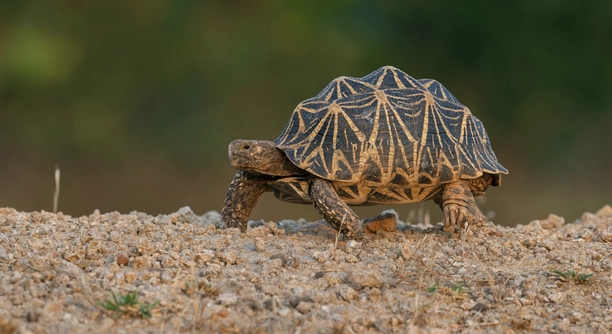
Tank decorations play an important role in creating a safe and comfortable environment for your turtle. Choosing the right items helps enhance their habitat while keeping them healthy and happy. Certain decorations can improve both their living space and well-being.
When selecting tank decorations for your turtle, ensure they are safe, non-toxic, and easy to clean. Decorations made from natural materials like smooth rocks, driftwood, and plants are ideal. Avoid sharp edges and small items that may pose choking hazards.
With the right decorations, you can create a functional and appealing tank for your turtle. Continue reading to discover the best options for your pet’s home.
Smooth Rocks and Pebbles
When choosing rocks and pebbles for your turtle’s tank, opt for smooth, large pieces that won’t pose a risk of injury. Sharp or jagged edges can harm your turtle’s soft shell or skin. Large rocks provide a sturdy base for climbing or basking, which turtles enjoy. Be sure to clean the rocks thoroughly before adding them to the tank to avoid any harmful bacteria. The natural look of smooth rocks adds a pleasing aesthetic while providing functional elements to your turtle’s space.
Smooth rocks are also great for helping your turtle maintain a proper basking spot. You can place a flat rock near the surface of the water, allowing your turtle to rest and dry off. This mimics the natural environment they would experience in the wild. The weight and size of smooth rocks help them stay in place without shifting, ensuring stability for your turtle’s safety.
Be mindful of the types of rocks you select. Some rocks, such as limestone, can alter the tank’s water chemistry. Stick to neutral rocks like river rocks to keep the environment stable.
Driftwood
Driftwood adds a natural touch to your turtle’s tank, offering both visual interest and a place to explore. It also serves as a basking platform when placed above the water level. Driftwood should be smooth, without sharp edges, and large enough to support your turtle’s weight.
Turtles enjoy climbing and exploring driftwood, and it provides a safe surface for basking under the heat lamp. You can also create hiding spots by arranging the driftwood in a way that gives your turtle space to retreat when needed. However, be sure to soak it well before adding it to your tank to remove any impurities.
Live Plants
Live plants can improve the water quality in your turtle’s tank, providing oxygen and absorbing excess nutrients. Choose plants that are safe for turtles, such as anacharis or water lettuce. These plants also create natural hiding spots for your turtle, helping them feel more secure.
Plants like anacharis can be used to create natural shelters in the tank. Your turtle will enjoy exploring the plants and using them to hide or rest. Live plants also add to the tank’s aesthetic, making it feel more like a natural habitat. Make sure to regularly trim and maintain the plants to keep the tank clean.
Having live plants can help with algae control, but be aware that turtles may nibble on them. It’s best to choose hardy plants that can withstand some chewing and provide nutritional benefits without getting destroyed too quickly. Regular care ensures plants stay healthy and thriving.
Plastic Plants
Plastic plants can serve as great additions to a turtle tank, providing visual appeal and hiding spots. They’re easy to maintain and won’t get eaten by your turtle. Choose non-toxic plants that are safe for your pet.
Though plastic plants don’t offer the same benefits as live plants in terms of water quality, they do provide a safe environment for your turtle. They’re perfect for creating hiding spaces or enhancing the tank’s design. However, be careful when selecting plastic plants—look for those without sharp edges or loose parts that could pose a risk.
Plastic plants are a long-lasting option. Unlike live plants, they won’t require trimming or maintenance beyond periodic cleaning. They also don’t require a lot of light to stay intact, making them a hassle-free decoration.
Rocks for Hiding
Rocks with caves or small crevices provide an ideal hiding place for your turtle. These spots give them a sense of security, especially when they feel stressed or need privacy. Choose rocks that are large and stable to prevent them from shifting and causing harm.
Hiding spaces also allow your turtle to retreat when they need rest, helping them maintain a balanced environment. Ensure that the rocks you use are smooth and free of sharp edges to avoid injury. A good hiding rock setup will help your turtle feel safe and comfortable in its tank.
Basking Platforms
A flat basking platform is essential for your turtle’s health, as it allows them to dry off and warm up. Platforms should be sturdy, easy to clean, and positioned above the water level to give your turtle ample space to bask.
These platforms can be made from materials like plastic or wood and should be large enough to accommodate your turtle. It’s important that the platform is placed directly under a heat lamp, ensuring your turtle gets the warmth they need. Regularly clean the platform to keep it hygienic for your turtle.
Waterfalls
Waterfalls add both beauty and function to a turtle tank. They create a gentle water flow, which can help increase oxygen levels in the water and improve circulation. The sound of running water also offers a calming effect for your turtle.
While a waterfall can be beneficial, make sure the flow is not too strong. Turtles prefer calm water, so choose a waterfall that provides a gentle current. Installing a filter alongside it can also help maintain clean water, benefiting both your turtle and the overall tank environment.
FAQ
What are the best tank decorations for a turtle?
The best tank decorations for your turtle are those that are safe, non-toxic, and mimic natural elements. Smooth rocks, driftwood, live plants, and plastic plants are great options. Make sure to avoid anything with sharp edges or small parts that could be ingested. It’s essential to focus on stability and safety when decorating.
Can I use rocks in my turtle’s tank?
Yes, rocks are a great choice for tank decorations, but ensure they are smooth and large enough that they won’t move around or pose a danger. You can use rocks for climbing, basking, and hiding spots. Just avoid sharp-edged rocks, as these could injure your turtle.
Is it safe to use plastic plants in a turtle tank?
Plastic plants are safe for turtles, provided they are free of sharp edges and small loose pieces. They can add hiding spots and aesthetic appeal to your tank. Plastic plants do not provide the same water benefits as live plants but are much easier to maintain.
How can I make my turtle’s tank more natural?
To make your turtle’s tank more natural, you should include decorations that mimic their natural habitat. Smooth rocks, driftwood, and live plants are essential. These provide hiding spots and basking areas while also helping to maintain water quality. Adding a gentle water flow with a waterfall can also enhance the natural feel.
Can turtles live in a tank with plants?
Yes, turtles can live in a tank with plants. Live plants help improve water quality by absorbing excess nutrients and providing oxygen. Choose turtle-friendly plants, such as anacharis or water lettuce, that can withstand some nibbling. Be aware that turtles may occasionally eat the plants, so choose hardy varieties.
Do I need to add a basking platform to the tank?
Yes, a basking platform is crucial for your turtle’s health. Turtles need to dry off and warm up under a heat lamp, which helps them maintain their body temperature. Ensure that the platform is stable, easy to clean, and large enough for your turtle to comfortably rest on.
How do I keep my turtle tank clean?
Regular cleaning is essential to keeping your turtle’s tank clean. You should change the water frequently, remove waste and leftover food, and clean the decorations and filters. Invest in a good filtration system to help maintain water quality, and consider doing partial water changes weekly to keep the environment fresh.
What materials should I avoid for turtle tank decorations?
Avoid decorations made from sharp, brittle, or toxic materials. For instance, avoid using rocks like limestone, which can alter the water’s pH, or any plastics with sharp edges. Small decorations that can be ingested or broken off should also be avoided, as they pose choking hazards.
Can I use driftwood in my turtle’s tank?
Driftwood is a great addition to your turtle’s tank. It provides a natural look and can serve as a basking spot. However, ensure the driftwood is smooth, free of sharp edges, and large enough to remain stable in the tank. Soak it thoroughly before placing it in the tank to remove any impurities.
How do I create hiding spaces for my turtle?
To create hiding spaces, use rocks, plants, or driftwood arranged in a way that provides both shelter and security for your turtle. These spaces allow your turtle to retreat when feeling stressed or tired. Make sure the hiding spots are easily accessible and large enough to fit your turtle comfortably.
Can I add a waterfall to my turtle’s tank?
Yes, adding a waterfall can be beneficial to your turtle’s tank. It creates a gentle current, helps oxygenate the water, and adds a calming sound. Ensure the waterfall isn’t too powerful, as turtles prefer calm waters. Pairing the waterfall with a filter can also improve water quality.
What is the ideal water temperature for my turtle’s tank?
The ideal water temperature for most turtles is between 75°F and 85°F (24°C to 29°C). Turtles need to be kept in warm water to stay healthy. You can use an aquarium heater to maintain a consistent water temperature. Be sure to monitor the temperature regularly to avoid sudden fluctuations.
Can I use artificial decorations in my turtle’s tank?
Yes, you can use artificial decorations in your turtle’s tank, but make sure they are made from safe materials. Non-toxic plastic decorations, such as plants and figurines, can add visual appeal. Just avoid sharp edges or anything that could easily break off and pose a choking hazard.
Do turtles need UVB light?
Yes, turtles require UVB light to help them metabolize calcium and maintain healthy shells. Without UVB light, turtles can develop shell deformities and other health problems. A UVB lamp should be placed over the basking area so your turtle can get the exposure it needs while resting.
How often should I clean the tank?
It’s important to clean your turtle’s tank regularly. Change the water every week or two, depending on the size of the tank and number of turtles. Clean the decorations, substrate, and filter as well. Perform partial water changes weekly to keep the environment healthy for your turtle.
What type of substrate is best for my turtle’s tank?
The best substrate for your turtle’s tank depends on their species and behavior. For aquatic turtles, smooth river rocks or sand work well. Avoid substrates that are too fine, as they can be ingested. For land turtles, soil or coconut husk bedding can be more appropriate.
Final Thoughts
Choosing the right tank decorations for your turtle is crucial for both their health and happiness. When selecting items, focus on safety, stability, and functionality. The tank should have plenty of space for your turtle to swim, bask, and hide, all while maintaining water quality. Whether it’s rocks, plants, or even a basking platform, each decoration should be thoughtfully chosen to ensure it enhances your turtle’s environment. By considering these factors, you create a space that mirrors a turtle’s natural habitat, helping to reduce stress and promote well-being.
It’s also important to regularly check the decorations for wear and tear. Turtles are curious creatures and can sometimes damage or displace items in their tank. Keeping a watchful eye on the tank’s condition ensures everything remains safe and effective. Remember that your turtle’s environment should be easy to clean, as dirty water can lead to health issues like shell rot or respiratory infections. Using sturdy, smooth decorations reduces the risk of harm and ensures that everything stays in place without the need for constant adjustments.
Finally, maintaining the balance of your turtle’s habitat involves more than just adding decorations. The water temperature, lighting, and filtration all play vital roles in creating a thriving environment. While decorations help make the tank feel more natural, it’s the overall setup that ensures your turtle remains healthy and happy. With the right combination of tank accessories, your turtle will not only have a safe and comfortable space but one that supports its long-term health.

Hello,
If you enjoy the content that we create, please consider saying a "Thank You!" by leaving a tip.
Every little bit helps us continue crafting quality advice that supports the health, happiness, and well-being of pets around the world, for pets of all shapes, sizes, and species.
We really appreciate the kindness and support that you show us!