
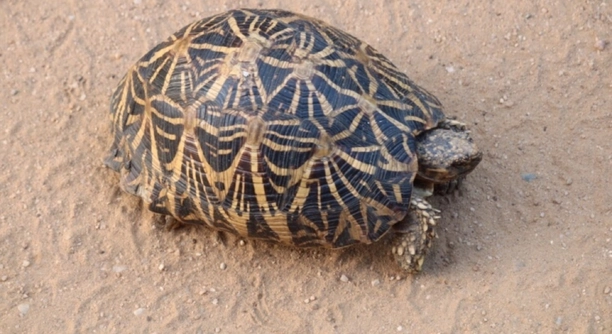
Turtles are fascinating creatures that bring joy to many pet owners. However, if your turtle is constantly trying to escape its tank, it can be a puzzling behavior. Understanding why this happens is essential to addressing the issue.
Turtles may try to escape due to a variety of reasons, such as insufficient space, an unsuitable habitat, or even stress. Ensuring their environment is appropriate and enriching can help reduce the chances of escape attempts.
Knowing the root causes can help you create a better environment for your turtle. By making a few adjustments, you can keep your turtle happy and safe in its tank.
Insufficient Space and the Need for Room to Roam
Turtles, especially larger species, need a spacious environment to thrive. A small or cramped tank can make them feel trapped, leading to restless behavior. They naturally roam in their wild habitats, and if they’re confined to a small space, they might try to escape. A larger tank provides more room to explore, swim, and bask, making them feel more comfortable and less stressed. Ensuring your turtle has enough space to move around can drastically reduce escape attempts. Inadequate space can also affect their overall health, so it’s important to meet their needs.
A well-sized tank also helps maintain the right water quality, which is essential for their health. If the tank feels restrictive, they may attempt to climb or dig to find a way out, often leading to injury.
Providing ample space gives your turtle a chance to express natural behaviors, keeping it happier and healthier. A tank with plenty of room for both swimming and resting is a key part of keeping your turtle content.
Environmental Conditions and Stress
Turtles are sensitive to their environment. If the water temperature or lighting isn’t right, your turtle may feel stressed and attempt to escape.
Turtles need a regulated environment to feel secure. The water should be at the proper temperature, usually between 75°F and 85°F, and there should be both UVB lighting for basking and heat lamps to keep them comfortable. Without these factors, turtles can become anxious and restless.
Turtles, being reptiles, are cold-blooded and rely on external sources to regulate their body temperature. If their tank is too cold or too warm, they may try to leave to find a more suitable environment. Stress from environmental discomfort often leads to increased attempts to escape, as they search for a more suitable habitat. Ensuring proper heating and lighting will make your turtle feel more secure, reducing the chances of escape. You should also maintain good water quality by cleaning the tank regularly. With these steps in place, your turtle will feel much more at ease.
Boredom and Lack of Stimulation
If your turtle is constantly trying to escape, it may simply be bored. Turtles are intelligent animals that need stimulation to stay happy.
Without proper enrichment, such as hiding spots, decorations, or even live plants, turtles can become restless. This leads them to try escaping to explore. If their tank feels too plain, they will try to find new, interesting areas to roam. To prevent this, add objects for climbing or hiding, or consider offering them varied food like live insects or plants to make their environment more engaging.
It’s crucial to change their surroundings occasionally. Even though turtles don’t need constant stimulation, adding new items to their habitat can make a huge difference. Boredom is a common cause of escape attempts, and offering them a more interesting environment will help them feel more content and less likely to wander off.
Feeding Time and Escape Attempts
Turtles may also try to escape if they are hungry or expect food. If feeding is irregular or inconsistent, they may associate the outside of the tank with food and try to leave in search of it.
A regular feeding schedule helps prevent this behavior. Turtles learn quickly and can begin to associate certain actions or movements with food. If feeding times are unpredictable, they may get anxious and attempt to escape the tank. Keeping a routine not only ensures that your turtle is well-fed, but it also reduces stress and keeps them feeling secure in their habitat.
Another important factor is the type of food you provide. If your turtle enjoys certain treats, they may try to leave their tank when they smell or see food nearby. To manage this, it’s best to feed them at specific times and avoid leaving food outside the tank. This way, they don’t associate escaping with receiving food and will be less likely to try to leave.
Temperature Imbalance
If the temperature in your turtle’s tank is inconsistent, they may feel the need to escape in search of a better environment.
Turtles require a warm environment to regulate their body temperature. If the tank is too cold, they will try to find warmth. Make sure there’s a heat lamp for basking, and the water temperature stays between 75°F and 85°F. A steady, comfortable temperature helps keep your turtle happy.
Health Problems
Sometimes, turtles try to escape because they’re not feeling well. If your turtle is sick or in pain, it might want to leave the tank to find a more comfortable space.
It’s important to watch for any signs of illness, like lethargy, a lack of appetite, or abnormal swimming. Health issues can cause anxiety, leading them to try to escape. Regular checkups at the vet can help detect any health problems early on. If your turtle shows signs of distress or discomfort, address the issue quickly to prevent further stress.
Overcrowding
Overcrowding is another reason your turtle might be trying to escape. If there are too many turtles in the same tank, they may feel territorial and try to get away.
Ensure your tank is big enough for all your turtles. Overcrowding can cause stress, fights, and discomfort, which may lead to escape attempts. Proper space and reducing the number of turtles per tank can solve this problem.
FAQ
Why is my turtle trying to escape all the time?
Turtles often try to escape when they feel stressed, uncomfortable, or bored. They may not have enough space, the right environmental conditions, or sufficient stimulation. Check the tank’s temperature, size, and habitat setup. Make sure the water is clean, and they have a variety of places to hide or climb.
Can a small tank cause my turtle to escape?
Yes, a small tank can definitely contribute to your turtle’s escape attempts. Turtles need ample space to swim, bask, and explore. If the tank is too cramped, they will likely feel stressed and try to get out. Consider upgrading to a larger tank to give them more room.
How can I make my turtle’s tank more comfortable?
Making the tank more comfortable involves ensuring the right temperature, lighting, and water quality. Add decorations like plants, logs, or rocks for climbing and hiding. Also, make sure to regularly clean the tank to maintain a healthy environment. A comfortable tank will make your turtle feel more secure and less likely to escape.
What should I do if my turtle is escaping even after I fixed the tank setup?
If your turtle continues to try escaping, it could be due to boredom, health issues, or an inconsistent feeding schedule. Provide enrichment items like food puzzles or new items in the tank to keep them busy. If you suspect health problems, visit a vet for a checkup.
Is my turtle trying to escape because it’s lonely?
Turtles are solitary creatures, so they don’t typically need the company of other turtles. However, if you have multiple turtles in one tank, overcrowding could cause stress, leading them to try to escape. Ensure your tank is large enough for each turtle and give them plenty of space.
How can I prevent my turtle from escaping if it’s already a habit?
If your turtle is consistently trying to escape, begin by assessing its environment. Make sure the tank is large enough, the temperature is stable, and the habitat is enriching. You may also want to adjust feeding times, provide new items, or set up barriers to stop them from reaching the tank lid.
Why does my turtle climb the sides of the tank?
Climbing is a natural behavior for turtles. If they feel bored or if there isn’t enough space, they might climb the sides in an attempt to escape. Adding more climbing structures or providing an enriched environment can help reduce this behavior.
Can stress cause my turtle to try to escape?
Yes, stress is one of the most common causes of escape attempts in turtles. Stress can come from overcrowding, poor water quality, sudden changes in temperature, or being disturbed too frequently. Ensure that the tank conditions remain stable and avoid handling your turtle too much.
How can I tell if my turtle is stressed?
Signs of stress in turtles include a loss of appetite, excessive swimming, hiding, or attempting to escape. Stress can also cause health issues, like shell deformities or abnormal behavior. If you notice any of these signs, check their environment and make necessary adjustments.
Do turtles need UVB light?
Yes, turtles need UVB light for proper shell and bone health. UVB rays help them synthesize vitamin D3, which is essential for calcium absorption. Without adequate UVB light, turtles can become weak, and their shells may develop soft spots, leading to more stress and potential escape attempts.
Should I give my turtle a hiding spot?
Yes, providing hiding spots for your turtle is important. Turtles need areas where they can feel safe and retreat when they are feeling stressed. A few rocks, logs, or plants placed strategically in the tank will give them a sense of security and help them feel more comfortable.
What is the best type of substrate for a turtle tank?
The best substrate for a turtle tank depends on the species. Some turtles do well with sand, while others prefer smooth pebbles or gravel. Make sure the substrate is easy to clean, as debris can quickly build up. Avoid sharp materials that could harm your turtle.
Can I use a tank lid to keep my turtle from escaping?
Yes, a tank lid can help prevent escape attempts. Make sure it is secure and cannot be easily moved by your turtle. A lid with a proper ventilation system will also ensure that your turtle gets enough airflow.
How often should I clean my turtle’s tank?
Turtle tanks should be cleaned regularly, at least once a week. Remove uneaten food, waste, and debris, and change about 25-50% of the water to maintain proper water quality. A good filtration system will also help keep the tank clean in between deeper cleanings.
Is my turtle trying to escape because it’s hungry?
If your turtle is not fed on a regular schedule, it may try to escape in search of food. Turtles are creatures of habit, and if they begin to associate certain times with feeding, they might try to leave the tank when they expect food.
What should I do if my turtle is not eating?
If your turtle isn’t eating, first check the temperature and water quality. Ensure the tank is clean, and there’s a proper heat source. Try offering different types of food, such as live insects, vegetables, or specially formulated turtle pellets. If the problem persists, consult a vet.
Can temperature changes cause my turtle to escape?
Yes, rapid changes in water or basking area temperature can cause stress, making your turtle try to escape. It’s essential to maintain stable temperatures in both the water and basking area to avoid triggering escape attempts. Check your tank’s thermometer and ensure everything is within the ideal range for your turtle.
Final Thoughts
Turtles are fascinating animals with unique behaviors, and it’s not uncommon for them to try to escape their tanks. The main reasons for this behavior usually revolve around the environment they’re kept in. If their space is too small or doesn’t meet their needs, they might feel the urge to explore beyond their tank. Other factors, such as stress, boredom, or hunger, can also contribute to these escape attempts. Understanding why your turtle might be trying to escape is the first step toward resolving the issue and creating a more comfortable environment for them.
Taking the time to ensure your turtle has enough space, the right temperature, and proper lighting will go a long way in reducing their desire to escape. Additionally, providing stimulation through enrichment activities and a variety of hiding spots can keep your turtle engaged and less likely to seek out a way out. Regularly checking on your turtle’s health and maintaining a consistent feeding schedule can also help create a secure and stable environment. These small but significant adjustments can make a big difference in your turtle’s overall well-being and prevent unnecessary stress.
While it may seem frustrating when your turtle tries to escape, it’s important to remember that these behaviors are usually a sign that something in their habitat needs attention. By observing their actions closely and making adjustments, you can create a better living space for them. Whether it’s upgrading their tank, improving their habitat, or addressing their emotional needs, there are many ways to help your turtle feel more at home and safe. Taking the right steps to meet their needs not only reduces escape attempts but also ensures your turtle lives a happy and healthy life.

Hello,
If you enjoy the content that we create, please consider saying a "Thank You!" by leaving a tip.
Every little bit helps us continue crafting quality advice that supports the health, happiness, and well-being of pets around the world, for pets of all shapes, sizes, and species.
We really appreciate the kindness and support that you show us!