
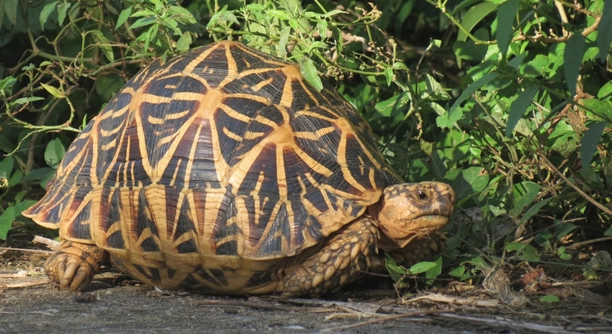
Turtles make great pets, and it’s important to recognize when they may be unwell. Understanding the signs of illness in turtles is crucial to keeping them healthy and happy. Being observant can help ensure they live a long life.
Turtles display various signs when they are sick. These signs can include changes in behavior, appetite, or physical appearance. Observing these symptoms early on can help you seek proper care and prevent the illness from worsening.
Knowing how to spot a sick turtle can make all the difference in its recovery. By being mindful of subtle changes, you can act quickly to protect their health and well-being. Let’s go over the key signs to watch for.
1. Change in Appetite or Eating Habits
A noticeable change in your turtle’s eating habits is one of the first signs something might be wrong. If your turtle suddenly refuses to eat or eats much less than usual, it could indicate health problems like an infection or digestive issues. Loss of appetite can also signal stress or changes in the environment that make your turtle uncomfortable.
If you notice your turtle eating much less or not at all, it’s important to observe other signs as well. Stress, improper water temperature, or an imbalanced diet can all affect their eating habits.
If the lack of appetite lasts for more than a couple of days, it’s time to look closer. A sudden decrease in food intake could be linked to issues like parasites, vitamin deficiencies, or respiratory infections. Keeping track of your turtle’s eating patterns can help identify if something is wrong. If you catch it early, seeking veterinary advice can be helpful in treating the issue and ensuring your turtle’s health.
2. Unusual Behavior or Lethargy
When a turtle starts acting sluggish or spends most of its time hiding, it may be a sign of illness. Turtles are usually active creatures, so a change in their behavior is worth noting.
Lethargy could indicate something as simple as inadequate water temperature or a more serious issue like an infection.
If your turtle is spending more time than usual in its shell or avoiding interaction, it could be dealing with discomfort. Turtles are sensitive to their environment, and factors like water temperature and humidity can affect their behavior. It’s also possible that illness or injury is causing your turtle to act differently. If the behavior change persists, checking for other signs such as swelling or changes in skin color can provide more clues.
3. Swelling or Abnormal Growths
Swelling or abnormal growths on your turtle’s body are clear signs that something is wrong. This could be caused by infections, injuries, or even tumors. If you spot any swelling around the legs, head, or shell, it’s important to monitor it closely.
Inflammation or bumps on the shell can also be a sign of an underlying infection or even shell rot. If your turtle’s legs or head are swollen, it may indicate an infection or injury that requires prompt attention. If left untreated, these conditions could worsen and lead to more serious health problems.
Consulting a vet is essential if you notice swelling or growths that don’t go away. They can run tests to determine the cause and suggest the best treatment. Early intervention can prevent further complications and help your turtle recover more quickly.
4. Difficulty Swimming or Floating
If your turtle is struggling to swim or is floating in an unusual way, there could be an issue with its buoyancy or overall health. Turtles rely on their ability to swim and dive to maintain proper health, so any difficulty could indicate something serious.
This could be a sign of respiratory issues or a problem with the turtle’s shell or internal organs. When a turtle struggles to dive or stay submerged, it may be experiencing a respiratory infection or an issue with its buoyancy. A turtle’s buoyancy is closely tied to its health, and any changes should be addressed quickly.
A sick turtle might also float on the surface in a way that seems unnatural. This could mean there’s air trapped inside, indicating a respiratory infection or shell damage. If your turtle shows difficulty swimming or abnormal floating, it’s important to take action immediately to help it recover.
5. Abnormal Shell Appearance
Your turtle’s shell is a key indicator of its overall health. Any discoloration, softness, or pitting could signal an issue. A healthy shell should be hard and smooth.
If you notice soft spots, cracks, or a change in color, it could be due to an infection, shell rot, or poor nutrition.
Proper care and the right environment are essential for shell health. Shell rot, in particular, can develop if your turtle’s shell is exposed to prolonged moisture or an unsanitary environment. If left untreated, it can lead to serious health problems. Consult a vet as soon as you notice any changes to your turtle’s shell.
6. Respiratory Issues
Turtles with respiratory infections may show signs like wheezing, coughing, or difficulty breathing. You might also see bubbles or foam around their nostrils.
Respiratory infections are common in turtles, especially when their habitat isn’t maintained properly. Poor water quality or incorrect temperatures can contribute to these issues.
If left untreated, respiratory infections can worsen and affect your turtle’s ability to eat, swim, or stay active. Make sure to keep your turtle’s environment clean and at the right temperature. Early intervention and proper treatment are essential for recovery and preventing long-term damage.
7. Skin Issues
Changes in the skin of your turtle can indicate health concerns. Redness, peeling, or lesions could be signs of an infection or a vitamin deficiency.
Your turtle’s skin should appear smooth and consistent in color. If it starts to peel excessively or become inflamed, this may indicate an issue with its immune system or diet.
FAQ
What should I do if my turtle is not eating?
If your turtle stops eating, the first step is to check its environment. Ensure the water temperature is correct and that the habitat is clean. Turtles are sensitive to changes in their surroundings, and poor conditions can cause stress or health problems. If the environment seems fine, check for signs of illness, like swelling, abnormal behavior, or difficulty swimming. If the lack of appetite persists for several days, consult a vet to rule out infections or other health issues. Early intervention is important for preventing serious problems.
How do I know if my turtle has a respiratory infection?
A respiratory infection in turtles can show up as wheezing, coughing, or nasal discharge. You may also notice your turtle having trouble breathing or floating at the surface. If your turtle is showing any of these signs, it’s important to get it to a vet for proper treatment. Respiratory infections can worsen quickly, especially if left untreated, so don’t delay in seeking medical advice. Infections can be caused by poor water quality or incorrect temperature, so maintaining the right environment is key.
What causes shell rot in turtles?
Shell rot occurs when bacteria or fungi infect the turtle’s shell, often due to prolonged exposure to dirty or overly wet conditions. It can also be caused by physical damage or an unbalanced diet. Shell rot usually presents itself as soft, discolored spots on the shell. If you notice these signs, it’s critical to take your turtle to the vet for diagnosis and treatment. A proper diet, clean water, and a safe environment are essential to prevent shell rot. Prompt treatment can help prevent the infection from spreading.
Can turtles get parasites?
Yes, turtles can get parasites. These can affect the digestive system, leading to issues like weight loss, diarrhea, and a lack of appetite. If your turtle is showing any of these signs, it’s important to have a vet check for parasites. Parasites can be transmitted through contaminated water or food, so maintaining a clean habitat is important for preventing them. If your turtle is diagnosed with parasites, your vet will recommend the appropriate treatment to help restore its health.
Why is my turtle floating or having trouble swimming?
If your turtle is floating more than usual or having trouble swimming, it could be a sign of an infection, an issue with its buoyancy, or even a respiratory problem. Turtles rely on buoyancy to swim, so any changes in this ability can indicate a serious issue. Make sure the water temperature is correct and that the turtle’s shell is in good condition. If the problem continues, visit the vet for a thorough examination. Early treatment can prevent further complications and help your turtle recover quickly.
What causes a turtle to become lethargic?
Lethargy in turtles can be caused by several factors, including poor water quality, improper temperatures, infections, or stress. A sudden decrease in energy levels could also point to an underlying illness, like a respiratory infection or parasite infestation. Check your turtle’s environment to ensure it’s ideal for its species. If the lethargy persists, or if you notice other symptoms like swelling or loss of appetite, it’s important to take your turtle to a vet for a proper diagnosis. Prompt action can help avoid serious health issues.
How can I tell if my turtle has a vitamin deficiency?
Vitamin deficiencies in turtles can lead to issues like poor shell development, lethargy, and skin problems. A common deficiency in turtles is a lack of vitamin A, which can result in eye problems, swollen eyelids, or respiratory issues. If you suspect a vitamin deficiency, it’s important to provide a balanced diet rich in the necessary nutrients. Vitamin supplements are available, but you should consult with a vet before adding them to your turtle’s diet. Proper care and a well-rounded diet can prevent deficiencies and keep your turtle healthy.
What should I do if my turtle has a wound or injury?
If your turtle has a wound or injury, the first step is to clean the area gently with warm water. Avoid using soap or any harsh chemicals. Depending on the severity of the injury, you may need to apply an antiseptic that’s safe for reptiles. If the injury is deep or doesn’t seem to heal, it’s important to take your turtle to the vet for further care. Turtles heal slowly, and injuries left untreated can lead to infections. Keeping your turtle in a clean and safe environment helps prevent complications from wounds.
Can stress affect my turtle’s health?
Yes, stress can affect your turtle’s health. Stress can be caused by improper water conditions, overcrowding, lack of hiding spaces, or even loud noises. A stressed turtle may show signs of lethargy, loss of appetite, or unusual behavior. Reducing stress involves providing a suitable habitat, with clean water, the right temperature, and enough space for your turtle to feel secure. If stress continues, it may lead to illness. If you think stress is affecting your turtle, look at its environment and make adjustments to ensure it feels comfortable.
How can I prevent my turtle from getting sick?
Preventing illness in turtles involves maintaining a clean, healthy environment and providing a balanced diet. Ensure the water temperature is appropriate for your turtle’s species and clean the tank regularly to prevent bacterial growth. Offering a varied diet that includes vegetables, protein, and occasional supplements will help support your turtle’s immune system. Keep an eye on your turtle’s behavior and appearance, so you can spot any signs of illness early. Regular vet check-ups can also help keep your turtle in optimal health.
Final Thoughts
Turtles are generally hardy animals, but like all pets, they can become sick or face health challenges. It’s important to stay alert and observe any changes in their behavior, appearance, or habits. Catching potential problems early can help prevent more serious issues down the line. By paying attention to signs like a decrease in appetite, abnormal swimming behavior, or changes in their shell or skin, you can act quickly to ensure they get the care they need. Keeping track of these signs and seeking advice from a vet when necessary will help your turtle live a healthy life.
Maintaining a proper environment for your turtle is one of the best ways to keep them healthy. Water quality, temperature, and humidity are all crucial factors. Make sure the tank is cleaned regularly, and the water is filtered. Turtles need a warm, clean habitat to thrive. If the environment is off, it can stress them out and lead to health problems. A diet that’s varied and rich in nutrients is just as important. Providing the right food helps your turtle maintain its immune system and prevent deficiencies, which can cause serious issues like poor shell growth or skin problems.
Remember, even with the best care, turtles can face health issues, but addressing concerns early is the key. If you notice anything unusual or concerning, don’t hesitate to consult a vet. This can make all the difference in helping your turtle recover. Keeping up with regular health checks and maintaining a clean environment will go a long way in preventing illness. A little extra care and attention to detail will help ensure your turtle lives a long, happy, and healthy life.

Hello,
If you enjoy the content that we create, please consider saying a "Thank You!" by leaving a tip.
Every little bit helps us continue crafting quality advice that supports the health, happiness, and well-being of pets around the world, for pets of all shapes, sizes, and species.
We really appreciate the kindness and support that you show us!